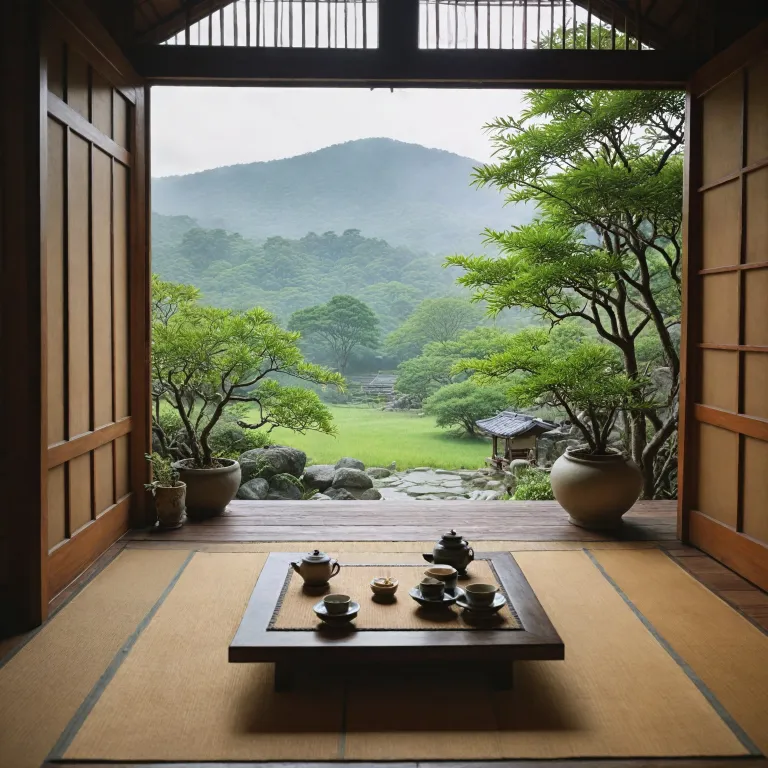
Omotenashi as the Japanese hospitality art in rural retreats
Omotenashi, the Japanese hospitality art, offers a refined lens for rural luxury. In japan this spirit of japanese hospitality grew from tea ceremony traditions and now guides how a guest is welcomed in both cities and countryside. When applied to premium farm stays, it transforms a simple night in nature into a layered guest experience rooted in culture and care.
Japanese hosts in ryokan style country inns show how hospitality omotenashi anticipates needs before they are voiced. Their attention detail extends from the way luggage is handled to how slippers are placed, creating a quiet art hospitality that feels effortless yet deeply intentional. This same philosophy can guide luxury and premium booking websites for farm stays that want to reflect true hospitality rather than just list amenities.
In japanese culture, omotenashi is inseparable from tea and the ritual of sado tea. The tea master and modern tea masters design every gesture to help the guest feel calm, respected, and seen as an individual. When a farm stay adopts this mindset, every digital and physical touchpoint becomes part of a coherent japanese tea inspired experience.
For travelers planning farm based travel in japan, a booking platform that embraces the spirit omotenashi can bridge english speaking guests and rural hosts. Clear english descriptions, sensitive translations of culture japan concepts, and guidance on local life help international visitors feel at ease. In this way, the art of omotenashi becomes a practical framework for elevating customer service in luxury countryside stays.
From tea house to farmhouse: translating japanese hospitality online
The path from a traditional tea house in kyoto to a contemporary farm stay website may seem long. Yet the same japanese hospitality principles that shaped the tea ceremony can guide how a digital platform welcomes each guest and curates their experiences. Omotenashi, the japanese hospitality art, becomes a design philosophy rather than a slogan.
In a classic tea ceremony, or sado tea, the tea master prepares the room so that every guest experience feels unique. The concept of ichigo ichie, often translated as “one time, one meeting,” reminds hosts that this exact encounter in life will never repeat. Luxury farm stay platforms can echo this by tailoring recommendations, suggesting specific experiences, and presenting farm stays as singular moments rather than interchangeable products.
Where western hospitality often emphasizes efficiency and visible performance, hospitality omotenashi values subtlety and inner intention. Japanese hosts focus on how the guest will feel at each step, from arrival to farewell, and they refine service so that gratitude is never demanded. A premium booking site can mirror this by simplifying navigation, removing friction in payment, and offering attentive customer service that anticipates questions.
For english speaking travelers exploring culture japan through rural travel, thoughtful content is essential. Articles explaining japanese culture, the role of sen rikyu and rikyu in shaping tea aesthetics, and the meaning of zen in daily routines help guests understand what they will find on arrival. By weaving these stories into property pages, the platform elevates both art hospitality and the perceived beauty of each farm stay.
Attention to detail as the quiet luxury of farm stays
Attention detail sits at the heart of omotenashi, the japanese hospitality art, and it is especially visible in rural retreats. On a working farm in japan, this might mean arranging seasonal flowers from the fields in a simple vase that reflects local beauty. It could also mean preparing tea in the guest room with ceramics chosen to match the weather, the light, and the mood of the visit.
Luxury and premium booking websites for farm stays can translate this attention detail into digital form. Instead of generic descriptions, they can highlight how japanese hosts fold futons, prepare breakfast with vegetables from the garden, or design outdoor baths with views that encourage zen like contemplation. Each detail in the description becomes part of a larger art hospitality narrative that helps the guest feel the place before they arrive.
In the lineage of sen rikyu and later tea masters, every movement in the tea ceremony expresses care and restraint. The tea master does not show off but instead removes anything unnecessary so that the guest experience feels pure and uncluttered. A booking platform can emulate this by removing visual noise, clarifying policies in simple english, and guiding travelers step by step without overwhelming them.
For travelers comparing western hospitality with japanese hospitality, these nuances matter. Western hospitality might highlight speed, while hospitality omotenashi emphasizes depth and emotional resonance in everyday life. When a farm stay listing conveys this difference clearly, guests will find it easier to choose experiences that align with their expectations and personal travel style.
Designing guest experience journeys with the spirit of omotenashi
Designing a guest experience for a luxury farm stay begins long before arrival. Omotenashi, the japanese hospitality art, suggests that the journey starts when a traveler first feels curiosity about japan and its countryside. A premium booking website becomes the first host, shaping how the guest will feel about japanese culture and rural life.
Thoughtful guest experience design maps each step, from search results to confirmation emails and pre arrival messages. In the spirit omotenashi, these touchpoints should feel as considered as a tea ceremony, where the tea house path, the waiting area, and the tearoom all form one continuous experience. Clear english guidance on customs, such as when to remove shoes or how to enjoy japanese tea, reduces anxiety and deepens appreciation.
Luxury farm stays can also integrate curated experiences that echo the rhythm of sado tea and zen practice. Morning walks through rice fields, quiet tea ceremony introductions led by local tea masters, or simple lessons in seasonal cooking all extend japanese hospitality beyond the room. When these experiences are presented on the platform, they should be framed as opportunities for ichigo ichie, unique meetings between guest and host.
To support this, booking sites can offer attentive customer service that feels human even when automated. Proactive messages about transport, dietary needs, and cultural etiquette show care and attention detail that align with hospitality omotenashi. Over time, this approach builds trust, positioning the platform as an authority on culture japan and rural travel rather than just a transactional intermediary.
Omotenashi on a luxury farm stay booking website
For a luxury and premium booking website focused on farm stays, the challenge is to embody omotenashi, the japanese hospitality art, without diluting its meaning. This begins with how properties are selected, presented, and supported through ongoing service. Hosts who already practice japanese hospitality in daily life become natural partners for a platform that values depth over volume.
Content in english should respect japanese culture while remaining accessible to international travelers. Profiles can explain how rikyu and sen rikyu influenced the aesthetics of a particular tea house or farmhouse, or how local tea ceremony traditions shape the rhythm of the day. By highlighting these connections, the platform helps guests understand that they will find more than accommodation ; they are entering a living culture japan environment.
In the middle of the booking journey, editorial content can guide travelers toward refined culinary and rural experiences. For example, an article on authentic regional gastronomy and refined culinary experiences can sit alongside features on japanese tea, farm to table dinners, and zen inspired garden walks. This cross cultural perspective helps guests compare western hospitality models with hospitality omotenashi in a nuanced way.
As interest in travel to japan grows, platforms that integrate true hospitality principles will stand out. They can train teams to respond with care, design interfaces that feel calm, and curate experiences that honor ichigo ichie. In doing so, they transform a simple search box into a gateway to meaningful experiences rooted in the art hospitality traditions of rural japan.
Bridging cultures: english language support and true hospitality
For many international travelers, language is the first barrier to experiencing omotenashi, the japanese hospitality art, in rural settings. A luxury farm stay booking website can act as interpreter, translating not only japanese words into english but also translating values, rituals, and expectations. This bridge allows guests to feel confident while preserving the integrity of japanese culture and local life.
Detailed explanations of japanese tea customs, tea ceremony etiquette, and the role of the tea master help demystify experiences. When guests understand why a host bows, why shoes are removed, or why silence is valued in a tea house, they can participate more fully in japanese hospitality. Clear guidance on these points, presented with attention detail and respect, becomes a form of digital art hospitality.
Frequently asked questions can address differences between western hospitality and hospitality omotenashi. For example, guests may wonder about shared baths, set meal times, or the quiet formality of some farm stays in japan. By answering these questions in warm, precise english, the platform helps guests feel prepared and reassured before they travel.
Expert content can also quote established definitions to build trust and authority. “Omotenashi is a Japanese term that embodies the spirit of selfless hospitality, focusing on anticipating and fulfilling guests' needs without expecting anything in return.” This clarity, combined with curated experiences and responsive customer service, ensures that guests will find true hospitality both online and at the farmhouse door.
Key statistics on omotenashi and japanese hospitality
- Number of international tourists to Japan in 2024 : 182000 people (Huffington Post Spain).
Questions travelers often ask about omotenashi
What does “omotenashi” mean ?
“Omotenashi is a Japanese term that embodies the spirit of selfless hospitality, focusing on anticipating and fulfilling guests' needs without expecting anything in return.” This meaning reflects a deep cultural commitment to care, respect, and attention detail in every guest experience. In the context of luxury farm stays, it guides both hosts and booking platforms toward service that feels generous and unobtrusive.
How is omotenashi practiced in Japan ?
“Omotenashi is practiced through attentive and proactive service, such as anticipating guests' needs, providing meticulous care, and ensuring a welcoming environment in various settings like tea ceremonies, ryokan inns, and restaurants.” On rural farm stays, this can appear in seasonal meals, thoughtful room preparations, and quiet guidance on local customs. When a booking website supports these practices with clear english information and responsive customer service, the overall japanese hospitality experience becomes seamless.
Is omotenashi unique to Japan ?
“While hospitality exists worldwide, omotenashi is unique in its emphasis on selflessness, anticipation, and meticulous attention to detail, deeply rooted in Japanese cultural practices like the tea ceremony.” Other cultures, including western hospitality traditions, value warmth and efficiency, but the spirit omotenashi adds a contemplative, almost zen quality to service. This uniqueness is what makes omotenashi, the japanese hospitality art, so compelling for travelers seeking meaningful experiences on luxury farm stays.