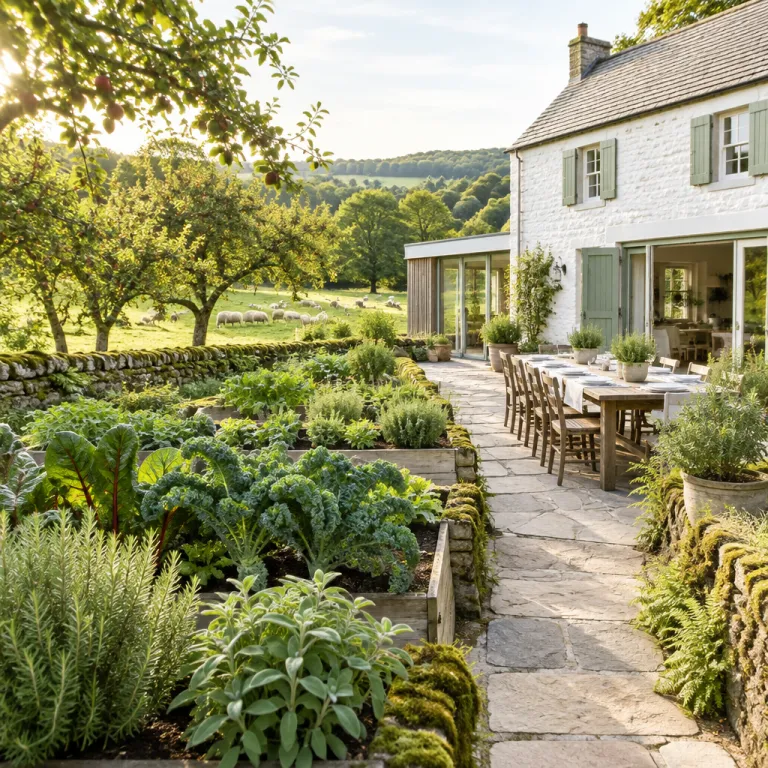
From city palaces to ploughed fields: how Michelin defines a farm hotel
Michelin Guide farm hotels now appear in the same digital listings as grand city landmarks, yet they operate from soil that is ploughed, planted and harvested. In the Michelin Guide’s own vocabulary, a farm hotel is a hotel located on a working farm offering guests rural experiences, and that definition matters because it separates real agriculture from styled countryside décor. For business leisure travellers extending a work trip, this means a stay where the front desk knows both your check out time and which field the seasonal ingredients for tonight’s cuisine are coming from.
The guide’s inspectors apply the same anonymous methods used for urban hotels and restaurants, but they now evaluate how the farm, the inn and the land function as one ecosystem. Expert evaluations, guest reviews and on site inspections shape which hotels receive a Michelin Key distinction, and which farm hotels gradually join the small but growing group of Michelin Guide farm hotels currently highlighted worldwide. In an April 2024 announcement on the official Michelin Guide website, the guide described the Michelin Key as a way to recognise “the most exceptional hotels” for their overall experience, a shift that signals a rural place can now compete directly with long established luxury hotels for both recognition and guest attention.
For travellers, the language around these properties is changing fast, and it is worth reading carefully. When the Michelin Guide describes Blackberry Farm in Tennessee as a benchmark for American agritourism and positions it alongside other countryside retreats, it is signalling that a working organic farm, a serious restaurant and refined rooms now belong in the same category as a city inn with Michelin stars. The result is a new tier of farm stays where the charm modern travellers expect is backed by professional hospitality, structured wine country style service and a dining experience that treats the farm table as seriously as any tasting menu.
The new rural vanguard: from the Sacred Valley to wine country
Several flagship properties now define what Michelin Guide farm hotels can be for high expectation guests. Inkaterra Hacienda Urubamba in Peru’s Sacred Valley runs its organic farm with oxen and hand tools, then moves produce a few metres from field to restaurant table, creating a dining experience that rivals urban restaurants with Michelin stars. Here, spacious rooms look over the valley while the front desk arranges both Andean cultural excursions and quiet hours to watch cut flowers and crops shift colour with the light.
In Norway, Boen Gård near Kristiansand operates from 16th century timber buildings where the farm, the inn and the restaurant share one carefully managed landscape. The kitchen works almost entirely with organic ingredients grown on the property, turning the farm table into a precise expression of place that aligns with the guide’s sustainability focus. Guests booking a stay here are not just choosing hotels in the country; they are entering a working estate where seasonal ingredients dictate menus and where a Michelin Key distinction signals that service, comfort and cuisine meet international standards.
In the English countryside, Fowlescombe Farm in Devon shows how a farm and hotel can operate as one ecosystem, with the land feeding the kitchen and the seasons shaping every stay. Across the Atlantic, Blackberry Farm in Tennessee and its sister property Blackberry Mountain have long set the benchmark for wine country style farm hotels, pairing deep cellar lists with farm table cooking and polished rooms. Travellers comparing these addresses with elegant California weekend getaways on luxury farm stays in Sonoma County will notice a shared pattern: organic farm operations, serious restaurants and hotels that treat the farm as the primary amenity, not a backdrop.
Reading the Michelin signals: how to book the right kind of farm stay
For executives turning a business trip into a rural stay, the growing list of Michelin Guide farm hotels can feel both exciting and crowded. The practical move is to read each guide entry line by line, checking whether the property runs a genuine organic farm, operates a restaurant that uses its own seasonal ingredients and offers rooms that balance charm, modern design and serious comfort. When a listing highlights a farm table concept, on site restaurants and a dining experience built around the farm’s own produce, you are usually looking at a place where the land, the hotel and the cuisine are tightly linked.
Travellers should also pay attention to how many Michelin Keys or a single Michelin Key distinction a property holds, and whether those keys sit alongside any Michelin stars for its restaurant. A one key inn in wine country that is offering guests direct access to vineyards, farm activities and a front desk team fluent in both tasting notes and tractor schedules will feel very different from rural hotels that simply borrow the aesthetic. If you prefer a more private format, pairing a key holding farm stay with a refined escape into nature such as a Dallas style luxury glamping retreat can create a balanced itinerary across country and city edges.
As investment and talent follow this recognition, more chefs and hoteliers are moving from city restaurants to country farms, tightening the link between travel, agriculture and high level hospitality. The Michelin Guide itself advises travellers to check the Michelin Guide for farm hotel listings, book in advance and explore on site farm activities, a succinct roadmap for making the most of these places. For those planning complex itineraries that might include yacht transfers or coastal arrivals before heading inland, resources on yacht elegance for refined farm stay journeys can help align logistics so that every stay, from Mexico to Sonoma County, feels coherent and deliberately paced; in practice, that means confirming seasonal opening dates, comparing nightly rates across midweek and weekend stays, and reserving well ahead for peak harvest periods when demand for these rural hotels is highest.
Sources
- Michelin Guide official website and April 2024 Michelin Key announcement
- Blackberry Farm and Blackberry Mountain official communications
- Inkaterra Hacienda Urubamba, Boen Gård and Fowlescombe Farm official materials