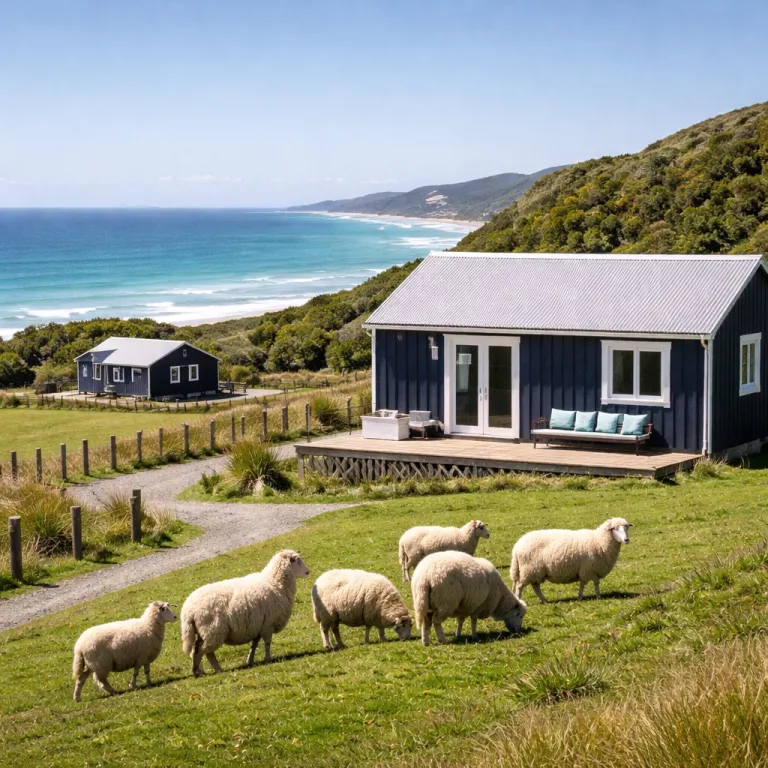
What sets a New Zealand sheep station stay apart
A New Zealand sheep station stay is not a themed weekend; it is entry into a working farm where the daily rhythm still follows the flock. On a large sheep farm you feel the scale of the high country immediately, from the first light on the Southern Alps to the last dogs returning after mustering across tens of kilometres. This is pastoral living at full size, where you find both refined accommodation and life real enough that mud, wool and weather still dictate the schedule.
Unlike many farm stays in Europe, a traditional country farm here might run thousands of merino sheep across one continuous station, with a single woolshed anchoring the operation. That scale shapes every experience, from a half-day farm tour in a side-by-side vehicle to longer farm experiences that follow the shepherds on horseback or by four-wheel drive. As one host explained to a recent guest in 2023, “You are stepping into our normal week, not a show we put on,” and visitors quickly understand that sheep farming is not a staged activity but a complex form of high country farming that balances merino wool quality, lamb survival and land health.
On a premium working farm you are invited into this system without being asked to play farmer. You might watch working sheep dogs move a mob with almost balletic precision, then step back to a glass-walled lounge that frames the lake or valley below. A guest at one South Island station described it as “drifting between gumboots and wine glasses in the same afternoon.” The best farm stay hosts know how to translate the technical side of sheep farming into clear stories, so you leave understanding why merino wool from these hills feels different and why a New Zealand sheep station, shaped by its climate and terrain, could not simply be recreated in another country.
The new generation of high country hosts
Across the South Island a new generation of station owners is reimagining what a luxury farm stay can be. Properties such as Lake Hāwea Station, Flockhill Lodge and Glenhope Station pair serious farming with equally serious accommodation, proving that a working sheep station can offer both high comfort and high authenticity. These places treat a New Zealand sheep station stay as a form of slow travel, not a checklist of staged activities, and hosts often encourage guests to stay at least two or three nights to settle into the rhythm of the farm.
Lake Hāwea Station, a sheep and beef station above a deep blue lake, shows how sustainability and style can coexist on a country farm without softening the edges of station life. (Travellers should always check the station’s own information for the latest details on certifications and awards, such as B Corp or carbon-positive status, as these can change year by year.) Guests might spend the morning walking through paddocks of merino sheep with a guide, then sit down to food that has travelled a few hundred metres from garden or paddock to plate. One couple recalled “hearing the shearing shed hum in the distance while eating salad picked an hour earlier.” This mirrors the way Italian agriturismi evolved, as documented in analyses of the agritourism boom in Italy’s countryside, where farm stays became a tool for both rural preservation and elevated hospitality.
Further north, Flockhill Lodge sits on a vast working farm in the high country, where helicopter flights over the Southern Alps can be paired with quiet afternoons in a private villa. Here, the station team encourages guests to contact them before arrival to tailor farm experiences, whether that means joining a shearing day, shadowing shepherds and dogs, or arranging mountain biking routes across old stock tracks. Quartz Hill Station and Dunrobin Valley Farm add to this new wave, offering smaller scale accommodation while keeping the focus firmly on sheep farming and the realities of station living. When you enquire, ask each host how they balance day-to-day farm work with hosted activities so you can choose the style of immersion that suits you.
Seasonal rhythms : lambing, shearing and mustering
Choosing when to book a New Zealand sheep station stay is as important as choosing the station itself. Each season on a sheep farm brings different activities, from lambs being tagged and tailed to the intense days of shearing when wool bales stack high in the shed. As a broad guide, spring often centres on lambing, summer on high-country grazing and lake activities, autumn on mustering and yard work, and winter on quieter, weather-dependent routines. Your own preferences for pace, weather and farm tour intensity should guide when you travel.
During lambing, paddocks close to the homestead fill with ewes and newborn lambs, and many working farm hosts limit intrusive farm experiences to protect both animals and staff. It can still be a magical time to stay, with soft light over the lake or valley and a sense of new living energy in every paddock. One family remembered “waking to a chorus of lambs before the sun hit the hills.” If you want more hands-on activities, ask your chosen sheep station in advance which weeks are best for watching mustering, shearing or yard work with working sheep dogs.
Shearing periods are particularly compelling for travellers interested in merino wool and the craft behind it. In the woolshed you see merino fleeces thrown across tables, classed for quality, and pressed into bales that will eventually become high-performance clothing. Some farm stays, including traditional masseria-style properties in regions like Puglia that have inspired comparative guides to refined countryside stays, show how to interpret this process for guests; New Zealand stations are now doing the same, explaining why merino sheep thrive in the high country climate and how that shapes every garment you might later buy. When you make an enquiry, mention if you are especially interested in lambing, shearing or mustering so hosts can suggest suitable dates.
Landscape, activities and how to match a station to your style
Landscape is the quiet star of any New Zealand sheep station stay, and it should shape where you book. On the South Island, high country stations around Lake Hāwea, Lake Tekapo and the wider Southern Alps offer big-sky views, turquoise water and long distances between neighbours. North Island stations tend to be greener, more rolling, with shorter drives between towns but equally serious sheep farming. Many guests describe the contrast as “alpine drama versus soft, folded hills.”
If you want water close by, look for accommodation on stations fronting a lake, such as Dingleburn Station on Lake Hāwea or properties near Lake Tekapo where the night sky is as much an attraction as the daytime farm activities. These locations often combine farm stays with access to mountain biking, hiking and, in some cases, helicopter flights that reveal just how vast a sheep station can be from the air. For travellers used to compact European farm stays, the sheer size of a New Zealand country farm can be startling and deeply liberating, so factor in driving times from the nearest town or airport when planning your arrival and departure days.
Solo travellers often prefer stations where the homestead or lodge has shared spaces, making it easy to find conversation after a day on the hills. If you are used to curated cabin experiences in other mountain regions, such as elevated mountain escapes with private hot tubs, you will find a similar focus on restorative evenings here, but framed by woolsheds rather than ski lifts. One solo guest summed it up as “reading by the fire while the dogs slept on the veranda.” Always contact your chosen host before booking to clarify how independent you wish to be, whether you want guided farm experiences every day or simply the option to join a farm tour once during your stay.
Food culture, practicalities and how to book with confidence
Meals on a New Zealand sheep station stay are where the distance between paddock and plate almost disappears. Traditional station food meant hearty roasts, fresh bread and baking designed to fuel long days of farming, and many hosts still honour that template. The difference now is a lighter touch, more seasonal vegetables and a clearer explanation of how the sheep, cattle and garden all fit into the wider station ecosystem, often shared over long, relaxed dinners at a communal table.
On many high country stations you might eat lamb raised on the same hills you walked that afternoon, with merino or crossbred sheep providing both meat and wool income for the farm. Breakfast could feature eggs from the henhouse, honey from on-site hives and yoghurt from a neighbouring country farm, while dinner might pair local wine with slow-cooked lamb shoulder and vegetables from the station garden. Some properties offer self-catering accommodation alongside hosted farm stays, giving you the choice between full board and the freedom to cook with local food you have sourced in nearby towns. A simple sample itinerary could be: arrive mid-afternoon, join a short farm tour before sunset, share a hosted dinner, then spend the next day split between a longer station experience and free time by the fire or lake.
Booking is usually straightforward: you either reserve directly through the station’s own website or through curated farm stay platforms that specialise in working farm accommodation. Rather than relying on broad national figures, ask each host how many sheep they run and how central tourism is to their business; only a portion of New Zealand sheep and beef farms currently offer structured farm experiences. Official guidance for visitors often notes that “Sheep shearing, farm tours, animal feeding, hiking.” are among the most common activities, and that “Comfortable clothing, sturdy footwear, weather-appropriate gear.” are the essentials you should pack for this kind of trip. Before you confirm, request clear directions, approximate travel times from the nearest town or airport and any advice on access roads so you can arrive confident and ready to enjoy station life.
FAQ
What exactly is a New Zealand sheep station ?
A New Zealand sheep station is a large-scale rural property dedicated primarily to raising sheep for wool and meat, often combined with beef cattle. Many of these stations sit in the high country of the South Island, where vast tracts of tussock land support extensive sheep farming. When such a station opens to guests, it becomes a form of farm stay that allows travellers to observe and sometimes join daily farming activities, from mustering and shearing to quieter seasonal tasks.
How long should I stay on a sheep station ?
Most travellers find that two or three nights is the minimum for a meaningful New Zealand sheep station stay. This allows one full day focused on farm experiences such as a farm tour, shearing demonstration or time with working sheep dogs, plus another day for hiking, mountain biking or simply resting. Longer stays of four or five nights work well if you want to explore the wider region or combine lake-based activities with time on the station, especially when driving in from hubs like Queenstown, Christchurch or Dunedin.
Do I need previous farming experience to enjoy a station stay ?
You do not need any farming background to enjoy a stay on a working farm. Hosts design activities so that first-time visitors can safely watch or lightly participate in tasks such as feeding lambs, moving sheep or observing shearing in the woolshed. Clear briefings and close supervision ensure that both guests and animals remain comfortable throughout the experience, and you are always free to step back and simply watch if you prefer.
Are sheep station stays suitable for families and solo travellers ?
Many stations welcome families, with children often fascinated by lambs, dogs and tractors, while solo travellers appreciate the quiet and the chance to connect with hosts. When you contact a station, ask about age-appropriate activities, accommodation layout and whether meals are shared with other guests. This will help you find a property that matches your preferred balance of privacy and social interaction, whether that means a private cottage, a room in the homestead or a small lodge with shared living spaces.
What should I pack for a high country sheep station ?
Pack layers, including a warm jacket, as weather in the high country can change quickly even in warmer months. Sturdy walking shoes or boots are essential for moving around the farm, along with a hat, sunscreen and rain protection. If you plan to join longer hikes, mountain biking or helicopter flights, bring any personal gear you prefer, although many hosts can provide basic equipment on request. It is also worth packing a small daypack, reusable water bottle and a change of clothes you are happy to get dusty or muddy during farm activities.