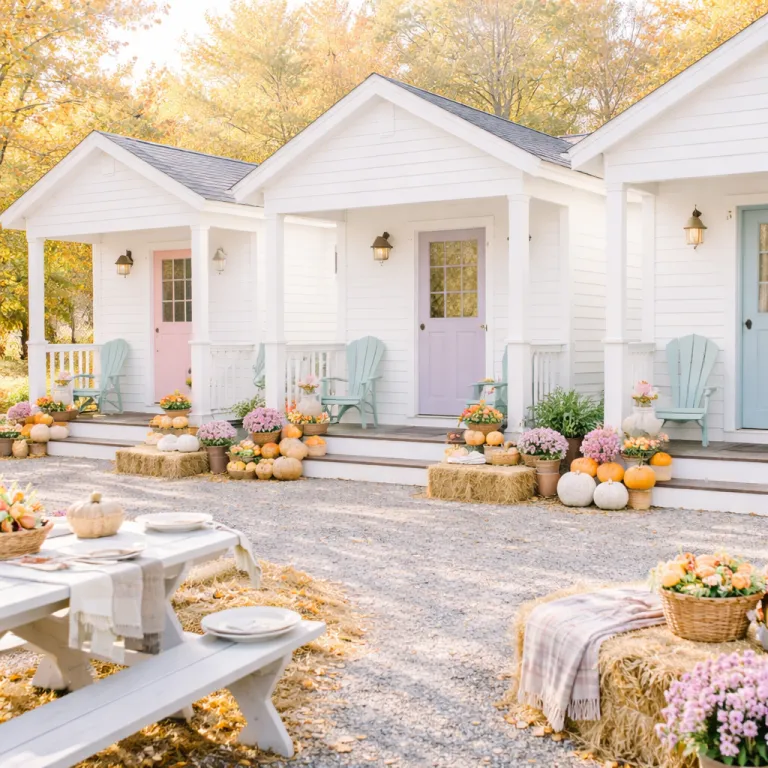
Why fall harvest farm stay booking sells out so quickly
Luxury minded families often underestimate how fast a working farm fills during the fall harvest season. When a family wants an autumn farm retreat that includes real grape picking or apple pressing, they are competing with guests who return every year and treat the same family farm as a cherished tradition. High demand concentrates around long weekends, so by the time school calendars are fixed, the most characterful farm retreats are already gone.
The most coveted harvest experiences are the ones where guests genuinely help with the harvest, not just pose beside a pumpkin display for social media. Cider pressing in New England, grape harvest days in Tuscany, and olive harvest weekends in Provence are limited by the pace of farm life, which means a host will cap numbers long before a fall festival appears on regional calendars. Properties in New York’s orchard and wine regions, or small family operations in the Hudson Valley, balance guest comfort with the realities of mud, early starts, and the time it takes to move crates of fruit from field to press.
Industry surveys from agritourism associations in North America and Europe consistently report double digit percentage growth in farm based tourism, and that rise is most visible between September and November when the fall harvest peaks. A 2023 North American agritourism snapshot, for example, found average autumn occupancy above 80% for farm stays in foliage regions, with many reporting sellouts on peak weekends. Vermont farm stays hit their highest occupancy when foliage, apple harvest, and school holidays collide, so an October weekend in this region now commands a clear price premium, and well known educational farms in New England, celebrated for farm to table dinners and fall festivals with hayrides, routinely sell out those harvest festival dates weeks in advance.
Regional harvest calendars and where to focus your search
Planning a fall harvest farm stay booking starts with the calendar, not the décor, because each region reaches its harvest peak at a different time. New England farm stays tend to crest from late September into October, when apple orchards, pumpkin patches, and the first frost on the corn fields align with school holidays and leaf peeping traffic. In contrast, the Pacific Northwest stretches its harvest season with grapes, apples, and giant corn fields running later into the autumn, which gives more flexibility but still rewards early planners.
Across the Atlantic, Tuscany and Umbria focus on grape harvest and olive harvest, with many a family farm offering guests the chance to join a harvest festival weekend that feels more like a village gathering than a staged event. Provence leans into late season olive picking and truffle related field trips, and the best properties limit guest numbers so that a host can actually explain pruning, soil, and pressing techniques between tasks. These are the stays where an autumn farm holiday feels like a private seminar in rural life, and where a family will remember the taste of new oil on bread more than any spa treatment.
In North America, Pennsylvania has documented more than twenty farm stays with structured seasonal programming, from corn maze evenings to lantern lit barn suppers, and those dates now sell out as quickly as coastal resorts. If you are considering agritourism hubs with guest caps or zoning debates, such as the regions discussed in our analysis of how guest limits reshape agritourism, you need to treat your fall harvest farm stay booking as a limited edition event. The same logic applies in East Texas around Mineola, where intimate country inns sit within easy reach of pumpkin patches and corn fields, yet still operate as quiet retreats rather than mass market attractions.
What you really pay for in harvest season pricing
Luxury travelers often ask whether the price premium for a fall harvest farm stay booking is justified, especially when a family could book a conventional resort for less. The answer depends on whether the property is a working farm where your children help feed animals at dawn, or a polished retreat that simply stages a corn maze and a pumpkin display beside the parking area. When the stay includes genuine harvest work, farm to table dinners, and time with a host who can explain soil health and crop rotation, the higher rate reflects labour, risk, and the opportunity cost of slowing down production for guests.
In Europe and North America, the most sought after harvest festival weekends now command rates comparable to coastal resorts, particularly when they include guided activities like cider pressing, grape picking, or curated field trips to neighbouring vineyards. Some properties add structured farm fun such as a corn maze designed for children, gem mining stations with an additional fee, or evening hayrides that require tickets purchased at an online gate before arrival. Others, including design led farm retreats in New York State with ATV tours, sheep walks, and live music, fold these experiences into a broader retreat atmosphere where the line between entertainment and education blurs in the best possible way.
Families should read the fine print carefully, because what looks like a simple admission price can hide layers of tickets required for specific experiences, from the giant corn maze to gem mining or pumpkin painting. A season pass can make sense if you live nearby and want to return multiple times, but for a once in a lifetime fall harvest farm stay booking, it is usually better to pay for a fully inclusive package that bundles parking, activities, and meals. For those curious about how new properties structure their first harvest seasons, our report on farm hotels opening their doors for their first season offers useful context on pricing, deposit policies, and how hosts balance guest expectations with the realities of farm life.
How to book the right harvest stay for your family
The most successful fall harvest farm stay booking starts with clarity about your family’s priorities, whether that is a quiet retreat with a few well chosen activities or a full scale fall festival with live music and a giant corn maze. Begin by deciding how much hands on farm life you want, from feeding animals and collecting eggs to joining a harvest festival day where you help load crates of apples or pumpkins. Then look closely at each family farm listing to see whether the hosts emphasise real work or staged photo opportunities, because that single detail will shape your entire stay.
Direct booking through a farm’s own website or by phone usually gives you clearer communication about what is included, from parking and admission to whether tickets are required for specific experiences like gem mining or a maze perfect for younger children. Many premium properties now use online gate style systems where you reserve time slots for the corn maze, hayrides, or pumpkin patch, which helps manage crowds but demands more planning from a busy family. When you speak directly with the host, ask about deposit policies, cancellation flexibility, and any discounts for active duty or retired duty military guests, as these can meaningfully affect the overall value of your fall harvest reservation.
Our team has seen how eco friendly farm stays, from East Texas to the Pacific Northwest, are innovating with solar powered cabins and low impact activities that still feel like pure farm fun for children. For inspiration beyond the harvest season, you can explore our guide to elegant glamping and refined farm stays, which shows how thoughtful hosts worldwide are redefining comfort in rural settings. As one of the most common questions we hear is “What is a farm stay?” followed closely by “What activities are included?” and “Are farm stays family-friendly?”, it is worth remembering that the clearest answers remain “Overnight accommodations on a working farm,” “Harvesting, animal care, cooking classes,” and “Yes, many welcome families with children,” and that the best properties keep that working farm core intact even when the pumpkins, corn mazes, and festival lights come out.
FAQ
When should I book a fall harvest farm stay for my family ?
For New England, Pennsylvania, and Vermont, aim to finalise your fall harvest farm stay booking by late spring, especially if you want peak foliage or apple picking weekends. In the Pacific Northwest and parts of Europe where the harvest runs later, you may find availability into early summer, but the most characterful family farm stays still sell out first. Treat popular harvest festival dates like concert tickets and secure them as soon as your school calendar is fixed.
What activities can children safely join during harvest season ?
On a well run family farm, children can usually help collect eggs, feed smaller animals, pick apples or pumpkins, and join supervised walks through the corn fields. Many properties add structured farm fun such as a small corn maze, pumpkin carving, or gem mining with an additional fee, all designed with clear safety boundaries. Always ask the host which experiences are age appropriate and whether tickets are required for specific activities.
How do I know if a harvest experience is authentic or staged ?
Authentic harvest stays prioritise the rhythm of farm life over photo opportunities, so the schedule may shift with weather, crop conditions, or the time needed to finish a task. Hosts will talk openly about soil, yields, and labour, and they limit group sizes so guests can genuinely help rather than queue for a maze perfect selfie spot. If the website focuses mainly on festival rides, giant pumpkins, and parking logistics, you are likely looking at an event venue rather than a working farm retreat.
Is a harvest season price premium worth it for a luxury traveler ?
The premium is justified when your fall harvest farm stay booking includes meaningful time with farmers, access to harvest work, and meals built around produce picked that day. In those cases, you are paying for expertise, limited capacity, and the chance for your family to participate in a living landscape rather than watch from the sidelines. If the stay offers only a corn maze, a pumpkin patch, and a few festival style rides, you may be better served by a lower priced day visit instead of an overnight retreat.
What should I pack for a premium farm stay during fall ?
Bring waterproof boots, layers that can handle mud and sudden temperature drops, and a change of clothes for children who will inevitably find every puddle. A small backpack for each child works well for field trips to orchards or corn fields, leaving hands free for picking the perfect pumpkin or holding onto a parent in the giant corn maze. Do not forget a torch for evening walks, as many rural properties keep lighting low to preserve the night sky and the quiet of the countryside.