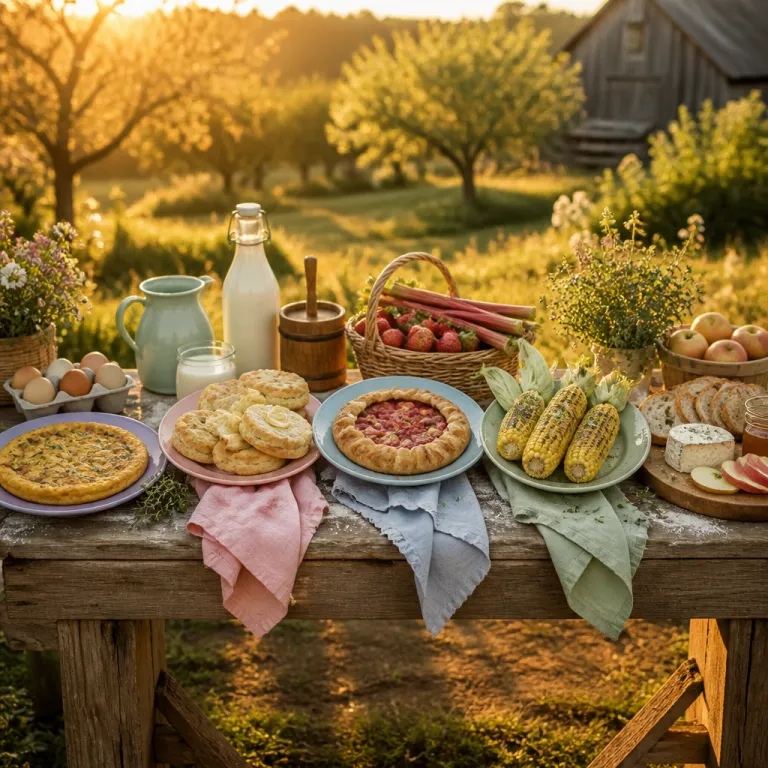
When the kitchen follows the harvest: what seasonal farm dining really means
A true seasonal farm dining experience starts with a walk, not a menu. The chef and farmer step into the farm fields at first light, checking which fruits vegetables and herbs are at their peak and which animals are ready for the table. Only then will the day’s dining experience take shape, course by course, around what the land quietly offers.
On a serious working farm, the table is an honest ledger of soil, weather and labour rather than a themed backdrop for staged rustic décor. The best farm table dinners feel almost improvised, yet every meal is grounded in meticulous planning of crop rotations, animal welfare and seasonal ingredients that have been tracked for months. This is why farm dinners on high calibre organic farm properties feel structurally different from city restaurants, even when the same chef is cooking the food.
Farm-to-table dining is often defined very simply as follows : “Dining that emphasizes locally sourced, fresh ingredients.” That definition is accurate, but luxury farm stays push it further by making the farm itself the primary supplier for the restaurant, not just a marketing story. When you book a premium farm stay for its dining experiences, you are effectively reserving a seat at the end of a short supply chain where local farmers, chefs and the land share equal billing.
The dawn egg and the one-hour breakfast table
The first meal that can only exist on a farm is the dawn egg breakfast, where timing is the secret ingredient. At high end farms in England, Italy or New Zealand, eggs are collected at around 06:00 and reach the table restaurant by 07:00, creating a seasonal farm dining experience that no urban restaurant can replicate. The proteins in a very fresh egg have not yet begun to degrade, so the scramble feels almost custard like, and the flavour is noticeably more delicious and clean.
From a scientific perspective, albumen pH rises as eggs age, loosening the structure and changing how they respond to heat during cooking. When the egg moves from coop to table dinner within an hour, the lower pH and tighter proteins trap steam differently, giving a softer, glossier texture that luxury travellers often describe as the best breakfast of their trip. On farms with Guernsey or Jersey herds, pairing these eggs with still warm cream or butter from the same organic farm amplifies the effect, turning a simple meal into a quietly extraordinary dining experience.
At properties inspired by the Heckfield Place model in Hampshire, where hundreds of chickens share pasture with sheep and dairy cows, breakfast is treated as a daily dinner series in miniature, shaped by what the farm will yield that morning. One day the farm table might hold eggs baked with locally grown spinach and locally sourced goat cheese ; the next, soft boiled eggs with soldiers fried in beef fat from the previous night’s farm dinner. For couples booking a romantic stay, this kind of breakfast table dining is often the moment when supporting local agriculture stops being an abstract idea and becomes a tangible pleasure.
Two week miracles: meals that only exist in a narrow season
The second category of farm-only meals is the fleeting seasonal impossibility, the dish that exists for perhaps two weeks each year. On a serious organic farm, elderflower blossoms, green almonds or the first asparagus spears appear in tiny, intense windows that do not align with standard restaurant menu cycles. A chef who works directly with local farmers can build a whole table dining moment around these short lived ingredients, knowing that the meal will vanish with the season.
Imagine a late spring farm dinner in northern Italy where the first asparagus is grilled over vine cuttings, then served at a long farm table with eggs from the same farm and a sauce made from last year’s preserved lemon. The next course might be pancakes scented with elderflower picked that morning, followed by a simple meal of green almond milk poured over fresh strawberries, all grown metres from the restaurant kitchen. These dinners are not about elaborate technique ; they are about catching seasonal ingredients at the exact day when flavour, texture and aroma align.
For travellers comparing luxury cabins with hot tubs in Texas to European agriturismi, the key question is how closely the restaurants are tied to their farms. Some properties, like those highlighted in curated guides to luxury country cabins with serious kitchens, now run their own dinner series based entirely on what is locally grown that week. When you read that a farm table restaurant serves a rotating set of courses built around a two week crop, you are looking at a dining experience that can only exist because the kitchen follows the harvest in real time.
From field to fine dining: when farms meet Michelin level kitchens
The third type of meal that only exists on a farm emerges when a working property partners with a high calibre chef to create fine dining restaurants on site. SingleThread Farms in California is the clearest example, with a 24 acre farm feeding a three Michelin star restaurant that treats the land as its primary pantry. Here, each course in the tasting menu is a direct expression of what the farm will yield that week, from rare brassicas to heritage grains and orchard fruits vegetables.
At this level, the line between farm dinner and gastronomic theatre blurs, yet the core remains simple : locally sourced food, grown or raised within sight of the dining room, prepared with technical precision. A seasonal farm dining experience of this calibre might open with a chilled broth made from locally grown tomatoes and herbs, followed by a fish course wrapped in leaves harvested that morning, and a meat course featuring an animal raised on the same property. The best table restaurants in this category often hold Michelin Green Stars, a distinction created to highlight restaurants that support local agriculture and manage resources responsibly.
For couples browsing farmstayplace.com and weighing a stay at a refined coastal property against a working farm with a serious restaurant, the question is not only comfort but proximity between farm and table. A luxury stay in Saint Tropez with a polished dining room, such as those profiled in guides to refined five star coastal stays, offers a different kind of pleasure than a farm table dinner where the chef can point to the exact field that produced your salad. Both can be excellent, but only the latter offers a dining experience structurally impossible without the surrounding farms.
The harvest table: reading menus for authenticity before you book
The fourth meal that only exists on a farm is not defined by a specific dish, but by how the menu is written and how often it changes. When you scan a farm stay restaurant menu online, look for signs that the kitchen follows the harvest rather than a fixed concept. A genuinely seasonal farm dining experience will show weekly shifts, references to specific fields or orchards, and clear naming of local farmers and producers.
Menus that list “farm table dinner series” or “table dining with locally grown produce” can be meaningful, but only if the details support the claim. Ask whether the restaurant runs multiple dinners each week that change according to what the organic farm can supply, and whether the chef can explain which seasonal ingredients are at their peak. If the same course descriptions appear month after month, you are likely looking at a restaurant that buys local food selectively rather than building the entire dining experience around the farm.
One practical test is to ask how many farms supply the kitchen and what percentage of ingredients are locally sourced within a defined radius. Properties that truly support local agriculture will often share specific numbers, because they understand that supporting local producers strengthens the local economy as well as the guest experience. When a manager can tell you that most fruits vegetables, dairy and meat come from on site or from neighbouring farms, you can book with confidence that your table dinner will reflect the landscape rather than a generic hotel menu.
Why farm breakfasts and suppers change how you think about food
The fifth meal that only exists on a farm is the quiet, everyday supper or breakfast that reshapes your sense of flavour and value. On many properties, guests are invited to join the farmers in the fields, picking fruits vegetables or herbs that will appear on the table restaurant that evening. This direct participation turns a simple meal into a layered dining experience, where you understand the labour, weather and soil behind each plate.
Data from recent food surveys show that a strong majority of diners now prefer to eat local food when possible, and that shifting to locally sourced ingredients can reduce the carbon footprint of a meal by a measurable margin. These numbers align with what you feel after a few farm dinners, when you realise that supporting local producers is not only an ethical choice but also a route to more delicious, nutrient dense food. As one clear explanation puts it : “Why is seasonal eating beneficial? It ensures fresher produce and supports local agriculture.”
For couples planning a romantic farm stay, the most memorable moments often come not from grand tasting menus but from shared, unhurried dinners at a long farm table. A simple course of roasted root vegetables in winter, or a salad of locally grown tomatoes and herbs in summer, can feel luxurious when you know the farmers by name and have seen the fields yourself. These dining experiences create a lasting connection to place, and they are only possible when the kitchen, the farm and the guests share the same horizon.
How to choose a farm stay for a true seasonal farm dining experience
Selecting the right property is essential if you want meals that genuinely follow the harvest rather than simply using farm themed language. Start by checking whether the farm operates year round and whether the restaurant publishes sample menus that change with the seasons. A serious seasonal farm dining experience will highlight specific seasonal ingredients, name local farmers and explain how the farm dinners are structured across the week.
Look for signs that the property runs an active organic farm or partners closely with neighbouring farms, rather than just maintaining a decorative kitchen garden. Ask whether the restaurant offers a regular dinner series at the farm table, and whether guests can visit the fields or barns before the meal. Properties that truly support local agriculture will often invite you to see how fruits vegetables are harvested, how animals are raised and how the kitchen plans each course around what the land will provide.
Finally, consider the broader impact of your stay on the local economy and environment. When you choose a farm stay that prioritises locally sourced food, you are helping to support local producers, reduce transport emissions and sustain traditional farming knowledge. The best farm table restaurants make this relationship visible, turning every table dinner into a quiet act of supporting local communities while offering some of the most memorable dining experiences you can have while travelling.
Key figures that shape modern farm-to-table stays
- Recent national food surveys indicate that around 68 % of consumers in some markets prefer to buy local produce when given the choice, a trend that directly supports the growth of farm-to-table restaurants and farm stays.
- Environmental impact assessments suggest that shifting a significant portion of a diet to locally sourced ingredients can reduce the carbon footprint of food consumption by roughly 10–15 %, depending on distance and transport methods.
- The Michelin Guide’s Green Star distinction, now held by hundreds of restaurants worldwide, has accelerated interest in restaurants that work closely with farms, encouraging more luxury properties to invest in on site agriculture.
- Seasonal farm-to-table programmes often structure their year around four key periods : spring asparagus and early greens, summer tomatoes and stone fruits, autumn pumpkins and root vegetables, and winter brassicas and stored crops.
- Many premium farm stays now report that a majority of guests cite the restaurant and its connection to local farmers as a primary reason for booking, rather than viewing the farm as a secondary attraction.
Frequently asked questions about seasonal farm dining on luxury farm stays
What is farm-to-table dining in the context of a farm stay?
On a farm stay, farm-to-table dining means that most of the food served in the restaurant comes directly from the on site farm or from nearby local farmers. The menu changes frequently to reflect seasonal ingredients, and the chef works closely with the farm team to plan each course around what is ready to harvest. This creates a dining experience that is closely tied to the landscape and the local economy.
How can I tell if a farm stay restaurant is genuinely seasonal?
Authentic seasonal restaurants publish menus that change weekly or even daily, and they often name specific fields, orchards or partner farms on the menu. Staff should be able to explain which dishes use locally grown produce and which ingredients come from the property’s own organic farm. If the same dishes appear year round without variation, the restaurant is probably not fully following the harvest.
Why are meals on a farm often more flavourful than similar dishes in the city?
Meals on a farm benefit from extremely short distances between harvest and plate, so fruits vegetables and herbs are served at peak ripeness. Eggs, dairy and meat can also be used very soon after collection or processing, which affects texture and flavour in ways that are difficult to replicate in urban restaurants. This immediacy, combined with varieties chosen for taste rather than transport, often makes farm dinners feel more vivid and satisfying.
How does choosing a farm stay support the local economy?
When you stay and dine on a working farm, a significant portion of your spending goes directly to local farmers, producers and staff. The property buys fewer imported goods and more locally sourced ingredients, which keeps money circulating within the region. Over time, this helps maintain small scale agriculture, preserves rural jobs and encourages younger generations to remain in farming.
Can guests usually participate in harvesting or cooking during a farm stay?
Many premium farm stays offer guest activities such as guided walks through the fields, seasonal harvesting sessions or informal cooking demonstrations with the chef. These experiences allow you to see how ingredients move from farm to table and to understand the work behind each meal. When booking, ask the property whether they offer such dining experiences and whether they are included or available as optional extras.