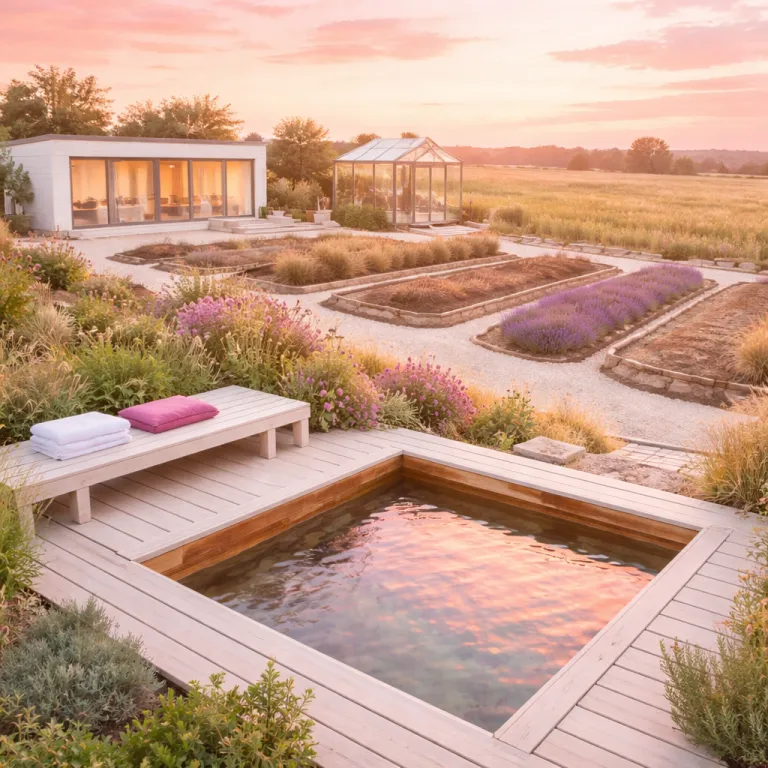
From spa add-on to soil-first farm retreat wellness stay
A genuine farm retreat wellness stay begins with the land, not with a treatment menu. The most compelling wellness retreats on working farms treat the daily rhythm of the farm stay itself as the therapy, where time spent in the fields, barns, and gardens quietly resets the nervous system. On a luxury booking platform, the first task is to distinguish a polished ranch with a token spa from a place where the soil, animals, and seasons shape every restorative experience.
Look for properties where the farm operations are visible from your room, and where the stay view takes in rolling hills, a productive valley, or a forest edge rather than a car park. When you arrive, the staff guests encounter should be farm owners and wellness practitioners who can explain how each guided experience connects mind–body benefits to specific tasks such as seed sowing or orchard pruning. A serious farm retreat will frame wellbeing as a continuum from morning yoga or meditation in the barn loft to evening forest bathing walks, not as a single hour in a detached spa building.
Operators who understand this philosophy often describe their places as living classrooms for physical, mental, and spiritual balance. They design wellness experiences around circadian light, soil microbiome exposure, and animal interaction, rather than imported décor or generic playlists. For solo travelers planning a sunday to weekend escape, this means a farm stay where every night brings a different sensory experience, from the sound of irrigation in the valley to the quiet of the forest after rain, and where inclusions such as shared meals, guided walks, and optional workshops are clearly listed before you book.
Where the work is the wellness: global farms leading the shift
Across regions, a new generation of farm stays is turning agricultural work into the core wellness offering. At Willow-Witt Ranch in Oregon, for example, guests can join dawn chores, walk through old-growth forest, and then stretch out in yoga sessions that reference the same connection land they have just traversed. The Inn at Mary’s Land Farm in Maryland structures each retreat so that time spent collecting fresh eggs or helping at the farm table kitchen is treated as a guided experience in nervous-system regulation, not as light entertainment.
In New Zealand, historic sheep stations have reinvented themselves as immersive wellness retreats where the farm stay is inseparable from the landscape. Properties featured in guides to New Zealand sheep stations now pair slow-paced mustering walks with evening yoga meditation, using the vast valley and rolling hills as a moving meditation hall. Here, a farm retreat wellness stay might include a sunday night under an enormous sky, followed by a weekend of structured wellness experiences that alternate between movement, stillness, and practical tasks.
European agriturismi and South American estancias are following similar paths, though each ranch or vineyard expresses wellness differently. Some emphasize forest bathing in mixed woodland, others build programs around water management, soil health, or animal-assisted activities that support both mind–body and emotional resilience. When you book stay options on a premium platform, seek out written schedules that show how each day’s retreat structure weaves together farm work, yoga, and reflective time rather than isolating wellness in a single spa wing, and note whether prices are per person or per room so you can compare like with like.
The science under the soil: why these retreats actually work
The most persuasive argument for a soil-first farm retreat wellness stay is not aesthetic, but biological. Exposure to diverse soil microbiomes during a farm stay has been linked in emerging research to improved immune function and reduced inflammation, which in turn supports emotional regulation and sleep quality. For example, studies on environmental biodiversity and mental health in journals such as Frontiers in Psychology and Science of the Total Environment report that regular contact with rich outdoor microbiota can influence stress responses and mood stability, although the evidence is still developing and results vary by study.
Long daylight hours outdoors help reset circadian rhythms, so that by the second or third night many guests report deeper rest than in any urban spa. Peer-reviewed work on light exposure and sleep, including research published in Current Biology on how camping in natural light shifts melatonin timing, has shown that several days of natural light–dark cycles can improve sleep efficiency, which is exactly the pattern many guests describe after a long weekend on a working farm.
Animal interaction on working farms adds another layer to these wellness experiences. Gentle contact with herd animals, or the simple act of collecting fresh eggs while a farmer explains feed and pasture rotation, can lower stress hormones and support integrated mind–body awareness. As one industry analysis notes, “Farm-based wellness retreats promote long-lasting mental and emotional benefits by cultivating habits of nature connection (Elevate Hospitality Collective)” and this is exactly what serious wellness retreats on farms aim to embed in every stay.
There is also a nutritional dimension that separates marketing from substance. Properties that serve meals at a genuine farm table, where vegetables traveled metres not kilometres, support holistic health through nutrient density and stable blood sugar. Critical readers should be wary of any place that leans on vague “farm-to-table” language without transparent sourcing, a concern explored in depth in analyses of the farm-to-table lie within rural hospitality, and should check whether dietary needs, snacks, and non-alcoholic drinks are included or charged separately.
How to read between the lines on a luxury farm stay listing
On a premium booking website, the language around a farm retreat wellness stay often reveals whether the wellness is structural or superficial. Listings that foreground the daily retreat rhythm — when you arrive, how you move through the land, how you leave — usually indicate a program built around the farm itself. By contrast, descriptions that lead with square metre counts, generic spa menus, or proximity to a music festival may signal a property where the farm is a backdrop rather than the main act.
Scrutinize the schedule for specific, named activities that connect directly to the farm. A serious ranch retreat will mention guided experience elements such as forest bathing in the on-site forest, yoga meditation at sunrise overlooking the valley, or hands-on time at the farm table kitchen. Look for clarity about who leads these sessions, whether wellness practitioners work alongside farmers, and how many staff guests can expect during peak weekend periods.
Pricing and stay structure also tell a story. Properties that frame a sunday to weekend escape as a coherent retreat, with integrated wellness experiences from arrival to final night, tend to invest more in program design. When you book stay options, prioritize places that publish written daily outlines, explain how long each activity lasts, and show how the farm stays open as a living operation rather than pausing production for visiting guests.
As a reference point, a sample day might begin with sunrise stretching in a barn loft around 7:00 a.m., followed by a shared breakfast at the farm table, two hours of light garden work with a grower before lunch, a long midday rest, and an afternoon forest bathing walk that ends with quiet journaling before dinner, with optional evening meditation offered for those who want a more structured close to the day.
Designing your own soil-led escape: practical planning for solo travelers
For solo explorers, the most rewarding farm retreat wellness stay is often one that balances structured programming with unhurried time spent alone on the land. Start by deciding whether you want a quiet midweek stay or a more social weekend, perhaps timed around a small on-site music festival or seasonal harvest. Then choose a farm stay where the valley, forest, or rolling hills are accessible on foot, so that each night can end with a slow walk rather than a drive.
Pack for movement and weather rather than for lobby moments. Comfortable clothing, layers for cool aug evenings or hot jul afternoons, and shoes that can handle mud will make yoga, forest bathing, and light farm work feel effortless. Many award winning properties now provide yoga mats and meditation cushions, but it is worth checking the listing before you book stay dates, especially if yoga meditation or other wellness retreats activities are central to your plan.
Finally, think about how you want to arrive and leave emotionally, not just logistically. A soil-led escape works best when you treat the farm stay as a reset for body, mind, and spirit, rather than as a checklist of activities. Consider extending your trip with a night or two of elegant glamping at refined rural properties, such as those profiled in this guide to elegant glamping and refined farm stays, to let the wellness experiences settle before you re-enter city life, and budget for transfers, gratuities, and any à la carte spa or workshop fees that may not be included in the base rate.
FAQ
What is a farm wellness retreat in practical terms ?
A farm wellness retreat is a stay on a working farm where wellness practices such as yoga, meditation, forest bathing, and mindful farm activities are integrated into the daily schedule. Guests participate in guided experience sessions that connect them to soil, animals, and seasonal rhythms. The goal is to support balanced physical, mental, and spiritual health through direct contact with nature and agricultural life.
What activities can I expect during a soil-first farm retreat wellness stay ?
Typical activities include morning yoga or yoga meditation, guided walks through fields, forest, or valley landscapes, and hands-on tasks such as harvesting vegetables or collecting fresh eggs. Many retreats add meditation practices, simple spa rituals using natural products, and shared meals at a farm table featuring produce from the property. Some farm stays also offer optional workshops on soil health, cooking, or animal care.
Who are these wellness retreats best suited for ?
Farm-based wellness retreats work well for solo travelers, couples, and small groups who value nature immersion and authentic farm experience over conventional spa luxury. They are particularly suited to guests comfortable with light physical activity and flexible schedules. Anyone seeking relaxation, emotional reset, and a deeper connection land relationship can benefit from this style of stay.
How long should I stay to feel the benefits ?
Most structured retreats run from three to seven nights, which allows enough time for circadian rhythms to adjust and for wellness experiences to build on each other. A long weekend from friday night to sunday can still be effective if the program is well designed. If you are booking independently, consider at least three nights to move beyond arrival fatigue and into a more restorative rhythm.
Are meals and wellness activities usually included in the price ?
Many premium farm stays bundle farm-to-table meals and core wellness activities into a single retreat rate, especially when they market themselves as wellness retreats. Others operate more like traditional accommodations, where the stay covers the room and guests add yoga, spa, or guided experience sessions à la carte. Always read the written inclusions carefully before you book stay dates, and ask for a sample daily schedule if it is not provided.