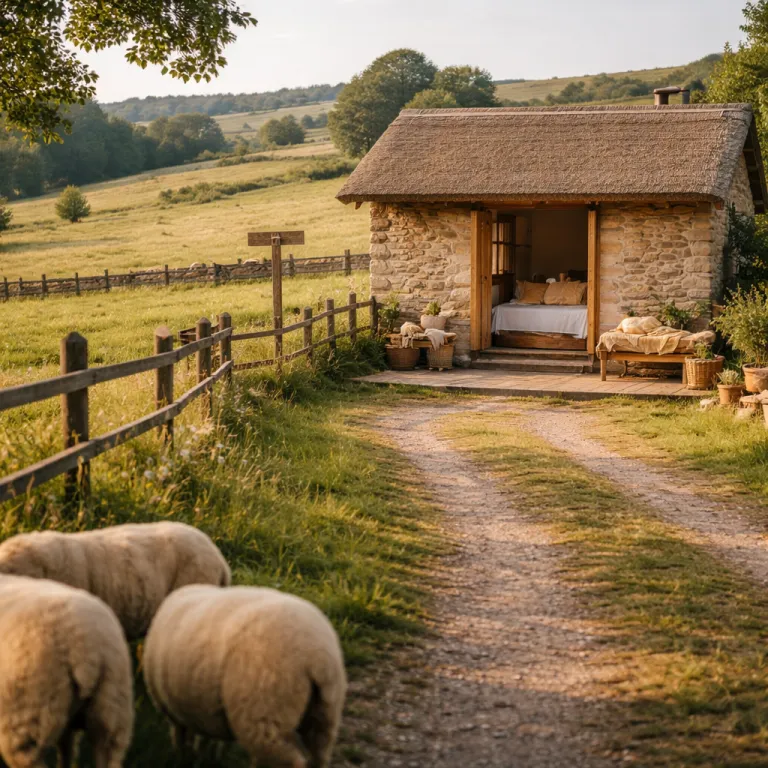
Why June transforms a simple farm stay into theatre
June is when a summer farm stay in Europe stops being abstract and becomes a sensory script written in real fields. Long daylight stretches each day on the farm into a full morning, then a golden evening, then a soft night where guests still hear sheep moving in the pasture. Across the continent, farm stays and rural hotel properties lean into this rhythm, shaping countryside breaks that feel both intimate and quietly cinematic.
On a working farm in the British Isles, sheep shearing coincides with wildflower meadows at their peak, so a single stay can move from barn to gardens in one slow morning. At places like Coombes Farm in West Sussex or Killiehuntly Farmhouse in the Scottish Highlands, guests can watch shearing demonstrations while hedgerows hum with bees. Head south and a farmhouse surrounded by olive trees in Tuscany or Corsica offers a different kind of theatre, where the restaurant serves early summer food and thoughtful wine pairings under the stars. Many hosts use June’s light to frame seasonal events, offering rural escapes that celebrate natural milestones rather than manufactured attractions.
Families choosing a June farm holiday in Europe often look first at rooms and a swimming pool, but this month rewards those who read property descriptions and guest feedback for detail about farm life. A helpful overview will mention whether the farm family is present at breakfast, whether the pool area is calm at dusk, and how relaxed the animals are with children. When you see comments describing a genuinely family friendly atmosphere on a working farm, you know the stay will feel lived in rather than staged.
European agritourism now counts thousands of farm stays, yet June remains the connoisseur’s month because the balance between activity and calm is ideal. Days are warm, with average temperatures around 18–24 °C across many regions according to long-term climate data from national meteorological services, but the air still carries spring’s freshness over every field and organic garden. For travellers used to an urban b&b or city hotel, this is the moment when a farm stay becomes less about novelty and more about a sustainable way to travel.
Scandinavian solstice: midnight sun on the farm
Far north, a June farm stay in Europe reaches its most surreal chapter on Scandinavian farms under the midnight sun. Norwegian and Swedish farm stays operate almost twenty four hour days in early summer, with guests drifting between hot tub sessions, late farm table suppers and walks where the sky never fully darkens. This extended light reshapes the idea of night, turning it into a pale, contemplative pause rather than an ending.
On a Norwegian working farm overlooking a fjord, such as Skåpesund Gård near Hardangerfjord or farms on the island of Senja, the farmer may invite guests to help with light chores after dinner, because the animals remain active and the fields still glow. Here, rooms are often simple but warmed by wool blankets and friendly hosts, while a small pool or outdoor hot tub becomes the social centre at what would normally be midnight. When you read about these northern stays, look for notes on how the farm family manages rest in such long days, as this reveals how thoughtfully the stay is run.
Food is central to the Scandinavian solstice, yet it rarely feels heavy. Many farm stays now operate as an organic farm first and hospitality project second, serving seasonal dishes and wine combinations that highlight berries, fresh dairy and fish caught within the same area. Critical farm to table analysis in current travel writing has made guests more alert, so they ask directly where the ingredients come from and expect clear answers about sourcing.
In Sweden, midsommar celebrations often unfold on farms where guests weave flower crowns in the gardens before joining the farm family for dancing. The main Midsummer Eve falls on the Friday between 19 and 25 June each year, with bonfires and maypoles appearing across the countryside. A b&b style wing of the farmhouse surrounded by birch trees might offer only a handful of rooms, but the sense of shared ritual is immense. For a June countryside itinerary in Europe, these nights under the midnight sun provide a counterpoint to Mediterranean heat, proving that great seasonal drama does not always require high temperatures or a swimming pool.
Mediterranean light: sheep, olives and long farm table evenings
Further south, a June farm stay itinerary in Europe bends toward the Mediterranean, where light turns warmer and the air smells of thyme and olive wood smoke. In Tuscany, Provence and on Greek islands, farm stays and rural hotel estates sit among vineyards and olive trees, with sheep grazing in the distance and cicadas providing the soundtrack. June is early for the olive harvest, yet it is perfect for watching the work that prepares for it.
On an Italian organic farm near a national park, such as an agriturismo close to Parco Nazionale delle Foreste Casentinesi or the hills around Siena, guests might wake to breakfast tables laid with bread, local cheese and the farm’s own olive oil. The farmhouse surrounded by vines and olive groves often includes a swimming pool, so families can alternate between cool water and short walks to see how the farm family tends the land. Many of these properties offer cooking classes that focus on seasonal food and wine pairings, teaching guests how to translate farm table simplicity into home kitchens.
Greek and Corsican farm stays lean into the drama of rocky landscapes and sea views. Here, rooms may be carved from old stone buildings, yet inside you find hotel level linens, a private hot tub or even a small pool, all while remaining close to the working farm routines. Younger travellers, especially those shaped by social media, increasingly seek this blend of authenticity and comfort, a trend explored in depth in recent discussions of what a TikTok raised generation wants from rural hospitality.
Families planning a June farm holiday in these regions should use a simple checklist: confirm that the property is pet friendly if you are travelling with animals, check whether children are welcome in cooking classes, and look for mentions of safe gardens, flexible meal times and staff who are genuinely friendly. When a restaurant serves its own olive oil and vegetables at a shared farm table, and guests describe lingering there long past nightfall, you know the experience is rooted in the land rather than in décor.
British Isles and practical planning for June farm stays
Across the British Isles, June on a sheep farm feels softer, with long twilights stretching over hedgerows and stone barns. This is peak garden season, so a June farm stay route that includes England, Wales, Scotland or Ireland will likely feature roses, herb borders and vegetable plots at full strength. Many farm stays here operate as a hybrid between a b&b and a small hotel, offering private rooms alongside shared farm experiences.
Sheep shearing often happens in early summer, giving guests a front row seat to one of the most important working farm rituals. Some hosts have built their reputation on glamping style tents set near fields, where families can watch the work by day and retreat to comfortable beds by night. When you compare British and Irish stays, pay attention to how guests describe noise, light and weather, because June can still bring cool evenings despite the long days.
Practical planning matters for any June farm stay in Europe, especially for premium and luxury travellers. Book your preferred farm stay or rural hotel several months ahead, as June demand now rivals high summer in many regions, particularly in Italian agriturismi and Scandinavian solstice properties. As a rule of thumb, allow at least three months for popular destinations and four to six months if you want specific suites, a private hot tub or guaranteed access to a pool.
Packing for June requires a balance between light clothing for warm afternoons and layers for late night walks back from the farm table. Waterproof shoes remain useful on any farm, whether you are crossing wet grass to reach the pool or visiting animals after breakfast. A compact packing list for families might include closed walking shoes, a light waterproof jacket, sun protection, swimwear and a small torch for rural paths between the farmhouse surrounded by fields and any outlying b&b style buildings.
For travellers who usually favour urban b&b stays, it can help to sample rural hospitality in a familiar format first. Articles on elegant bed and breakfast stays in historic towns show how good service, great food and friendly hosts translate across settings, from city to farm. Once you understand what kind of rooms, service style and level of interaction you enjoy, choosing the right farm stays for June across Europe becomes far easier.
FAQ
What exactly is included in a typical June farm stay in Europe ?
A June farm stay in Europe usually includes accommodation in farmhouse rooms, converted barns or glamping tents on a working farm. Guests often share breakfast made with organic or local produce, and may have access to gardens, a pool or a swimming pool, plus optional activities such as animal feeding or cooking classes. Some higher end stays also offer a hot tub, curated food and wine dinners at a farm table and guided walks in the surrounding area or nearby national park.
Are European farm stays suitable for families with young children ?
Many European farm stays are explicitly family friendly and designed for families with young children. These properties typically provide safe gardens, flexible meal times, and friendly farm family hosts who are used to explaining animals and farm routines to curious guests. When planning a June farm holiday in Europe, always check that other families felt welcome and that the stay offered age appropriate activities.
How far in advance should I book a June farm stay ?
June is one of the busiest months for farm stays across Europe, especially in regions such as Tuscany, Provence and Scandinavian solstice destinations. For premium or luxury level rooms and hotel style amenities like a private pool or hot tub, booking three to six months ahead is prudent. Last minute options across Europe are still possible, but you may need to compromise on location, room type or whether the property is pet friendly or close to a national park.
What should I pack for a June stay on a working farm ?
Packing for a June farm stay means preparing for warm days and cooler evenings, even during a summer itinerary that crosses several European regions. Bring light layers, a waterproof jacket, closed shoes suitable for walking around a working farm, and swimwear if there is a pool or swimming pool. A small torch is useful for walking back to your rooms at night, especially on rural paths between the farmhouse surrounded by fields and any outlying b&b style buildings.
How can I tell if a farm stay is genuinely sustainable ?
A genuinely sustainable farm stay will usually operate as an organic farm or follow clear environmental practices, such as using its own olive oil and vegetables when the restaurant serves meals. Look for detailed information about energy use, waste reduction and land management, as well as transparent communication about food sourcing that aligns with critical farm to table discussions in current travel journalism. When you read guest feedback, pay attention to how visitors describe the balance between comfort and sustainability, rather than just praising décor or views.