Why a historic farm stay heritage property feels different from any rural hotel
A true historic farm stay heritage property carries weight the moment you arrive. You step into a working farm where the house, the barn and the surrounding estate have absorbed centuries of weather, labour and quiet country rituals. That depth of time shapes every stay in ways no design led hotel can imitate.
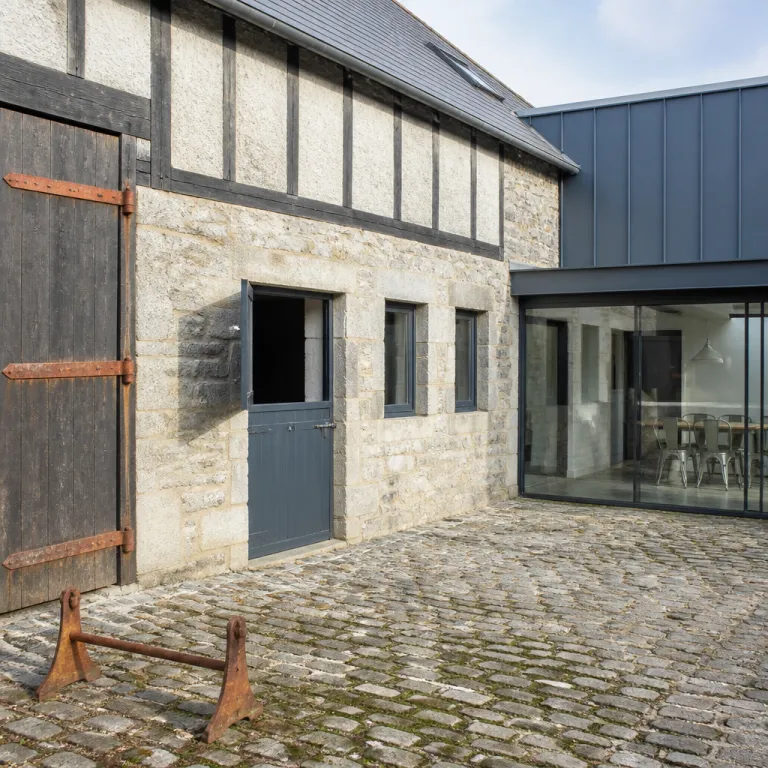
On a heritage farm, the accommodation is usually stitched into the original homestead rather than built as a separate hotel wing. Thick stone or timber walls, low beams of old oak and uneven floors speak of a rich history that predates modern tourism, yet the best luxury farmstay hosts layer in modern comforts with restraint. You feel the historic charm in the creak of a stair and the view over the creek, while still sleeping in high quality beds and using bathrooms that match any premium city stay.
These historic properties are not stage sets ; they are living farms where you can visit the farmyard at milking time, walk past the barn before breakfast and feel the experience warm your sense of place. The hospitality experience is shaped by continuity rather than trend, so even when a property lists on Airbnb or a similar platform, the stay remains anchored in the land rather than the algorithm. For couples used to polished hotel stays, that combination of warm hospitality, privacy and grounded farm life can feel like the rarest luxury.
Blenheim Hill Farm and Codington Farmstead: living archives of rural hospitality
Two American names illustrate how a historic farm stay heritage property can host guests across centuries without losing its soul. Blenheim Hill Farm in the northern Catskills operates as a sustainable farm and event venue, while Codington Farmstead in New Jersey opens its farmhouse and grounds for tours that trace early settler life. Both estates show how historic stays can preserve heritage while still offering meaningful accommodation for modern travellers.
At Blenheim Hill Farm, the main house and surrounding barns sit on rolling country pasture threaded by a small creek, with oak framed interiors that retain their original structure. The owners use the historic buildings for farm stay events, weddings and special events, balancing the need for a full kitchen and upgraded beds and bathrooms with a commitment to visible timber, stone and period details. Codington Farmstead, by contrast, leans into guided experiences that focus on the homestead itself, inviting guests to walk through rooms where the hospitality experience once meant feeding farm workers rather than weekend visitors.
Both properties participate in a wider movement where heritage farms adapt to modern hospitality to preserve cultural heritage, offer authentic experiences and ensure economic viability. Heritage farm operators often say : "Accommodation on historic farms offering cultural experiences" and "For unique, authentic experiences and historical insights" and "Are heritage farm stays family-friendly?" and "Yes, they often offer activities suitable for all ages." For couples planning a romantic farm stay, these estates prove that a historic house can host a quiet stay one weekend and a lively family reunion the next, without diluting its historic charm.
Preservation versus comfort: how heritage farms upgrade without erasing character
The central tension in any historic farm stay heritage property lies between preservation and comfort. Guests expect modern comforts such as efficient heating, powerful showers and a full kitchen, yet the very reason they book stay on a heritage farm is to feel the texture of age in every room. When renovation tips into over polishing, the result can resemble a generic country hotel rather than a lived in homestead.
Thoughtful owners treat each farmhouse, barn and guest house as an artefact, adding insulation behind original timber, hiding wiring in existing beams and choosing fixtures that echo the period rather than shout over it. A luxury farm stay might reconfigure beds and bathrooms to suit couples and small groups, but it will keep the oak staircase, the slightly uneven stone threshold and the view from the kitchen sink across the working farm. The aim is charm modern rather than pastiche, where underfloor heating and high thread count linen quietly support the experience instead of dominating it.
Heritage status can complicate this work, because listed historic properties often face strict rules on what can be altered, especially in northern climates where old roofs and windows struggle with snow and wind. Some owners access preservation grants or heritage tourism incentives to offset the cost of maintaining the estate, while others rely on income from special events and farm stay bookings. For travellers comparing a new build rural hotel with a centuries old farmstay, this behind the scenes effort explains why a night in a heritage house may cost more, yet delivers an experience warm with authenticity that a trend led boutique concept cannot match.
Why guests return: storytelling, continuity and the pull of the same fields
Repeat bookings are the quiet metric where a historic farm stay heritage property consistently outperforms newer rural accommodation. Couples return to the same farm stay because the land, the house and even the barn feel like constants in a life that keeps shifting. There is comfort in knowing that the oak tree outside the guest house door will be there next time, and that the creek will still be audible from the bedroom window at night.
Generational storytelling deepens this pull, especially on farms where the same family has worked the soil for many lifetimes. Breakfast on such an estate is not a scripted hospitality experience ; it is a conversation about weather patterns, lost apple varieties and the rich history of the homestead, often told while eggs from the morning collection reach your plate still warm. Guests sense that they are stepping into a long running narrative rather than a themed weekend, which makes each stay feel like another chapter rather than a one off event.
This continuity also explains why heritage farm stays often host multi generational gatherings, from a quiet family reunion to intimate special events that use the barn as an event venue. Couples who first visit farm properties as a romantic escape later return with friends, children or parents, confident that the same warm hospitality will greet them. In a travel market crowded with airbnb listings and design led rural hotels, that ability to hold memories across decades is the true luxury.
How to choose and book a heritage farm stay that matches your style
Selecting the right historic farm stay heritage property starts with clarity about how you like to travel. Some couples want a working farmstay where they can visit the farm animals at dawn, while others prefer a quieter estate where the focus rests on the house, the gardens and curated guided experiences. Reading beyond glossy images to understand the daily rhythm of the property will help you book stay that feels aligned with your expectations.
Look closely at how each farm describes its accommodation, especially the layout of beds and bathrooms, the presence of a full kitchen and the balance between private and shared spaces. A guest house attached to the main farmhouse may suit sociable travellers who enjoy conversation with hosts, while a converted barn at the edge of the country estate offers more seclusion for a romantic stay. Pay attention to whether the property positions itself as a hotel style operation, an intimate homestead or a hybrid that also functions as an event venue for weddings and retreats.
Finally, consider the wider landscape of your trip, from the northern valleys of the Catskills to other regions where heritage farms thrive and where refined nature escapes are possible. Platforms like farmstayplace.com curate in depth guides, from farm to plate trails across iconic regions to glamping in Dallas style experiences that still prioritise the working landscape. When you choose a heritage farm over a trend driven boutique concept, you are not only booking a place to sleep ; you are aligning your stay with a lineage of land stewardship, warm hospitality and quietly enduring historic charm.
FAQ
What exactly is a heritage farm stay and how is it different from a rural hotel ?
A heritage farm stay is accommodation set within a historic working farm, where the main house, barns and wider estate predate modern tourism and often hold protected status. Unlike a rural hotel built to resemble a farmhouse, a heritage farmstay integrates guest rooms into original structures and daily farm life, so you may walk past the barn or creek on your way to breakfast. The result is an experience where historic charm, modern comforts and warm hospitality coexist in a setting shaped by real agricultural work.
Are heritage farm stays suitable for couples seeking luxury and privacy ?
Many historic farm stays now offer luxury level comfort, with high quality beds and bathrooms, a well equipped full kitchen and thoughtful design that respects the original homestead. Couples often choose a separate guest house or converted barn on the edge of the estate to enjoy privacy while still accessing guided experiences and shared farm activities. When you read property descriptions, look for clear details on room layouts, amenities and whether the stay is hosted in the main house or in a standalone building.
Can heritage farm stays host family reunions and special events ?
Some historic properties operate as both farm stay accommodation and event venue, using large barns, lawns and historic houses for weddings, retreats and family reunion gatherings. These estates usually specify maximum guest numbers, available beds and bathrooms and whether catering uses produce from the farm. If you plan a group stay, confirm how the property balances events with regular stays so your visit farm experience still feels relaxed and personal.
How far in advance should I book a stay at a heritage farm ?
Because many heritage farms have a limited number of rooms or only one main guest house, they often fill quickly during peak seasons. Booking several months ahead is wise if you want specific dates, especially in northern regions with short summers or during harvest and holiday periods. Always check seasonal activities, from lambing to apple picking, so your stay aligns with the kind of farm life you most want to experience.
Are heritage farm stays family friendly or better suited to adults only trips ?
Heritage farm stays can be very family friendly, particularly on working farms that offer tours, animal feeding and other guided experiences suitable for all ages. Some estates, however, position themselves as quiet retreats for couples, with accommodation and hospitality experience tailored to adults seeking calm. When travelling with children, look for clear information on safety around barns and machinery, available outdoor space and any age related policies before you book stay.