Why a glass cabin on a farm feels different from any other stay
A glass cabin on a working farm gives you countryside calm with contemporary comfort. With walls of glass framing every view, this type of retreat offers a rare balance between rural authenticity and modern architecture that feels quietly indulgent. For travellers used to a classic house or city suite, the shift to transparent walls and open outdoor space can be transformative.
Architects often describe a glass cabin as a compact dwelling with extensive glazing and panoramic views. That means you do not just look at the fields and the nearby mountain range; you live inside those views from sunrise to the last stars. On a premium farm stay platform, you can filter for glass cabins or a hillside cabin with a large deck, then compare how each place uses glass to frame the surrounding landscape.
Across the United States, designers are using modern glass to blur the line between house and pasture. Projects such as the Glass Cabin in Iowa by atelierRISTING, documented on ArchDaily under the title “Glass Cabin / atelierRISTING,” show how a transparent structure can sit lightly on the land while still feeling like a fully equipped retreat. For guests, this architecture turns a simple place to sleep into a year round sanctuary where every pin on the map promises a new view. As one reviewer of a Midwestern glass cabin wrote after a frosty October weekend, “We woke up feeling like we were in the middle of the fields, but with all the comforts of a boutique hotel and the sunrise pouring straight across the duvet.”
Signature design elements of farm based glass cabins
Luxury farm stays built around a glass pavilion rely on a few essential design moves. First comes orientation, because the best cabins are angled to catch both sunrise and sunset while protecting your queen bed from harsh midday glare. Then comes the relationship between the cabin and the deck, which often becomes an outdoor living room with a fire pit, hot tub, and uninterrupted views over fields or a nearby mountain.
Inside, a modern glass layout usually centres the kitchen and lounge so guests can cook, relax, and share coffee while facing the landscape. Expect a fully fitted kitchen with an induction hob, a standard coffee maker, and often a Keurig coffee machine for quick capsules, all positioned so you never lose the view. High end cabins frequently add heated floors beneath polished concrete, a generous rain shower with a glazed wall, and a queen bed placed to frame the first light rather than a television.
Thoughtful hosts also consider practical interests such as privacy and comfort for families. Many listings clearly state whether children are allowed, how the glass is treated for safety, and whether the façade includes blinds or smart glass for night time. When you read reviews, look for mentions of how the cabin offers both openness and seclusion, because that balance defines the best modern glass farm retreats and often influences inspection scores for safety, noise, and light control.
From glamping to architectural stays: how farm glass cabins evolved
What began as simple glamping tents on farms has evolved into sophisticated glass house architecture. Early cabins focused on basic shelter with a rustic deck and minimal services, while today’s glass cabins integrate solar panels, sliding glass doors, and carefully detailed interiors. This shift reflects a wider rise in eco tourism and a growing desire for immersive yet comfortable outdoor experiences.
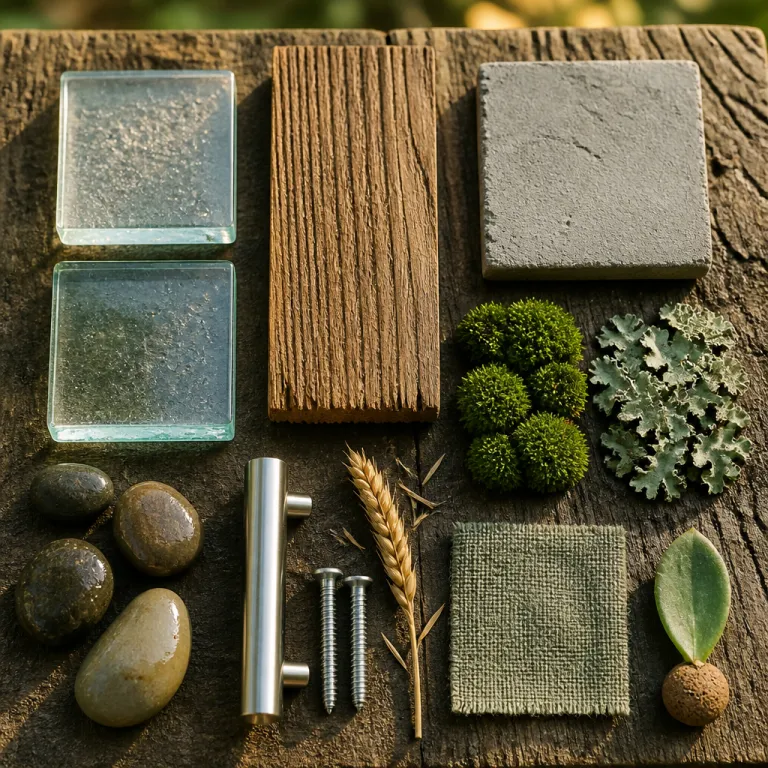
Architects and artists have pushed the idea of the glass cabin in different directions across the United States. AtelierRISTING’s project in Iowa, documented by ArchDaily as “Glass Cabin / atelierRISTING,” uses reclaimed materials and expansive glass to create a quiet retreat, while The Glamping Collective near Asheville in North Carolina presents a luxe hillside cabin concept with star filled skies and a private hot tub. Artist Neile Cooper’s stained glass cabin in New Jersey, profiled by VICE under the title “This Artist Built a Cabin Made Entirely of Stained Glass,” shows how transparent walls can become art, turning a simple house into a glowing lantern when the fire is lit inside.
Hospitality providers now treat each glass cabin as both accommodation and architectural statement. Many cabins are designed for year round stays, with heated floors, efficient stoves, and high performance glazing that keeps the interior warm even when frost covers the fields. When you browse a premium farm stay website, you will notice that each listing highlights its architecture, its views, and the specific outdoor experiences it supports, from stargazing to farm to table dinners, often backed by safety checks for smoke alarms, carbon monoxide detectors, and emergency access routes.
What to look for when booking a luxury farm glass cabin
Choosing the right glass cabin on a farm starts with location and layout. Decide whether you prefer a secluded hillside cabin with sweeping views or a cabin closer to the main house and barn where children are allowed to meet animals. Then study the floor plan to see how the queen bed, kitchen, and deck align with the sunrise, the stars, and the main outdoor spaces.
Comfort details matter just as much as scenery in a modern glass retreat. Look for a well equipped kitchen with both a traditional coffee maker and a Keurig coffee option, plus a grocery store within a reasonable driving distance for fresh produce. In the bathroom, a rain shower facing a private view and heated floors will make early mornings luxurious, while a hot tub and a sheltered fire pit on the deck extend your evenings under the stars.
On a luxury farm stay platform, pay close attention to guest reviews and star ratings. High scoring cabins usually earn praise for how the cabin offers privacy despite the glass, how responsive the hosts are, and how accurately the listing matches the real place. Before you pin your dates, check availability well in advance, confirm whether children are allowed, and read any notes about fire safety, outdoor rules, and seasonal access to trails or farm activities. For context, many farm based glass cabins in the United States sit in a premium nightly rate band, often roughly between the upper end of local hotel prices and boutique vacation rentals in the same region.
Designing your stay around farm life, food, and the landscape
A glass cabin on a working farm invites you to slow down and align your day with the land. Mornings might start with coffee on the deck as the first light hits the fields, followed by a walk to the main house to collect eggs or meet the animals. Because the glass keeps you visually connected to the outdoors, even quiet time with a book or a long rain shower feels rooted in the surrounding place.
Food is central to the experience, especially when you have a proper kitchen and easy access to a grocery store or farm shop. Many premium farm stays curate local produce boxes so you can cook in your glass house, then eat outside beside the fire pit while the mountain silhouette darkens. If you enjoy culinary travel, you can deepen the trip by pairing your farm stay with regional dining, using guides such as this resource on authentic regional gastronomy and refined culinary experiences as inspiration for how to approach local food.
Evenings in a glass cabin are about light and warmth. As the fire crackles and the hot tub steams, the windows reflect the interior glow while still revealing the stars above the fields. Guests often mention in reviews that this year round interplay between indoor comfort and outdoor drama is what makes design led, glass centred farm stays feel so memorable; one couple described lying in bed watching a summer thunderstorm roll over the pasture, “like being inside a safe, warm observatory in the middle of the farm.”
How premium farm stay platforms curate and rate glass cabins
Luxury and premium booking websites for farm stays now treat each glass cabin as a flagship product. Their teams vet architecture quality, safety standards, and host professionalism before a cabin appears alongside other cabins or a traditional farmhouse. Because demand is rising, these platforms use detailed filters so guests can search by hot tub, heated floors, rain shower, or whether children are allowed.
To build trust, serious platforms combine professional inspections with verified guest reviews and transparent star ratings. You might see a five star hillside cabin praised for its modern glass façade, its quiet outdoor spaces, and its proximity to a small grocery store for last minute supplies. Another four star glass house might earn slightly lower scores because the deck faces a neighbouring field rather than a dramatic mountain view, even though the cabin offers excellent interiors and a powerful coffee maker.
Behind the scenes, partners such as local artisans and sustainable material suppliers help hosts maintain each glass walled structure over the long term. Many operators invest in off grid technologies like solar panels and compost toilets to keep their cabins comfortable year round while reducing environmental impact. As one industry FAQ on eco friendly cabins notes, “Many glass cabins incorporate sustainable materials and off-grid technologies,” and platforms increasingly require documentation of electrical safety checks, fire extinguishers, and clear guest information on emergency procedures.
Key figures and trends shaping farm based glass cabin stays
- Dedicated glass cabins on farms remain a niche but influential segment in the United States, encouraging more landowners to invest in modern transparent architecture for guests.
- Nightly rates for high quality glass cabins typically sit in the premium tier compared with standard farm cottages or basic glamping tents, reflecting their design focus and limited availability.
- Many new projects combine glass walls with off grid systems such as solar panels and compost toilets, reflecting a broader rise in eco tourism and demand for sustainable accommodation.
- Designers increasingly specify heated floors, rain showers, and high performance glazing so that farm based glass houses can operate year round, even in regions with cold winters.
- Guest reviews consistently highlight panoramic views, access to outdoor activities, and thoughtful amenities like a hot tub or a well equipped kitchen as the main reasons for five star ratings.
FAQ about luxury glass cabins on farm stays
What is a glass cabin on a farm stay ?
A glass cabin on a farm stay is a small house or cabin with extensive glass walls that provide panoramic views of fields, forests, or nearby mountains. These cabins are usually positioned to maximise natural light and outdoor scenery while still offering full amenities such as a kitchen, bathroom, and comfortable queen bed. On premium platforms, they are treated as architectural stays rather than simple glamping units.
Are farm based glass cabins eco friendly ?
Many farm based glass cabins are designed with sustainability in mind, using reclaimed materials, efficient insulation, and off grid technologies. Hosts often install solar panels, low impact foundations, and compost toilets to reduce the footprint of each glass house. As one reference on sustainable cabin design explains, “Many glass cabins incorporate sustainable materials and off-grid technologies.”
Where can I stay in a glass cabin on a farm ?
Glass cabins on farms are available in several regions across the United States, from the Midwest to the Appalachian foothills. Examples include the Glass Cabin in Iowa by atelierRISTING, covered by ArchDaily as “Glass Cabin / atelierRISTING,” and the glass cabins operated by The Glamping Collective near Asheville in North Carolina. Luxury farm stay platforms usually allow you to filter by region, star rating, and specific amenities such as a hot tub or heated floors.
How do I choose the right glass cabin for my trip ?
Start by deciding whether you want a secluded hillside cabin or a glass cabin closer to farm activities, especially if children are allowed in your group. Then compare reviews, star ratings, and floor plans, paying attention to how the cabin offers views, privacy, and practical features like a well equipped kitchen or nearby grocery store. Finally, check availability early and confirm year round access if you plan to travel outside peak seasons.
What should I pack for a stay in a farm glass cabin ?
Pack layers for changing weather, even if your cabin has heated floors and strong insulation. Bring sturdy shoes for outdoor walks, swimwear if there is a hot tub, and any special coffee you prefer for the coffee maker or Keurig coffee machine. It is also wise to carry a few pantry basics in case the nearest grocery store is some distance from the farm.
References
- ArchDaily – coverage of the Glass Cabin by atelierRISTING in Iowa, published under the title “Glass Cabin / atelierRISTING.”
- The Glamping Collective – information on luxury glass cabins near Asheville, North Carolina, including hillside cabins with hot tubs and panoramic views.
- VICE – feature on Neile Cooper’s stained glass cabin in New Jersey, titled “This Artist Built a Cabin Made Entirely of Stained Glass.”