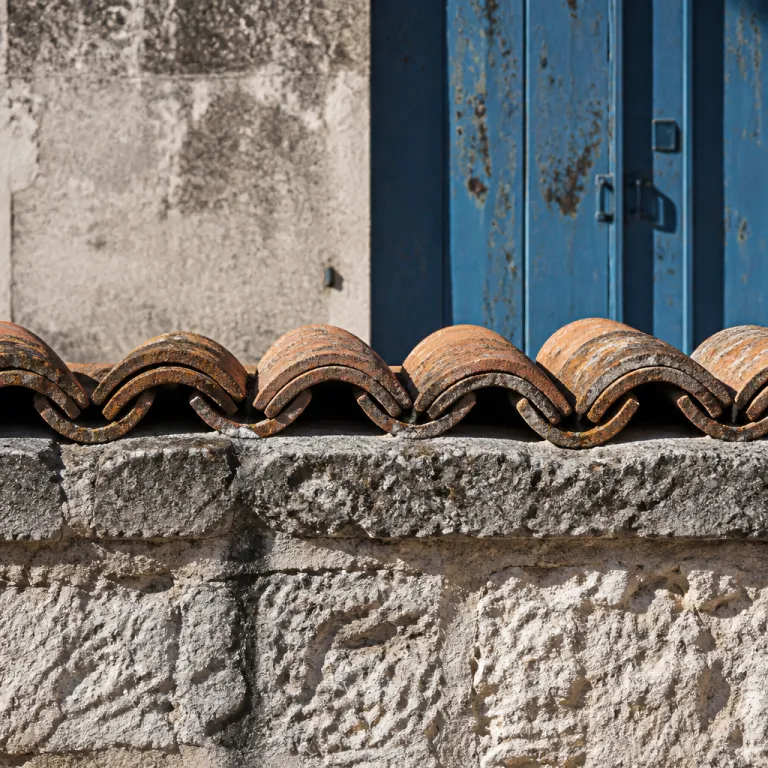
What makes a masseria in Italy the ultimate refined farm stay
A masseria in Italy is a fortified farmhouse estate in the rural south, often transformed into a discreet luxury retreat. These historic farm properties in Puglia balance stone architecture, working fields, and polished service to create a stay that feels both grounded and indulgent. When you choose a masseria, Italy offers a way to sleep inside its agricultural history while enjoying every modern comfort.
Across Puglia, masserie were once defensive farm complexes that protected olive groves, vineyards, and livestock from coastal raids. Today many of these masserie in Puglia have been restored with great care, preserving thick stone walls, vaulted ceilings, and internal courtyards that keep interiors naturally cool. Owners work with local artisans to repair each masseria using traditional materials, while integrating amenities such as a pool, spa cabins, and refined dining spaces.
For travelers comparing a masseria in Italy with a conventional coastal resort, the difference lies in immersion and scale. A typical masseria estate sits in a wide rural area, surrounded by olive trees and dry stone terraces rather than crowded promenades. You still enjoy a generous pool, air conditioning in every room, and high quality linens, yet the overall experience feels slower, quieter, and more personal.
Many guests choose to stay in a masseria specifically to understand how southern Italian farms function today. You might walk through organic vegetable plots in the early morning, then taste the same produce at dinner under a pergola on the terrace. Because a masseria is still a working farm, the rhythm of your stay follows the land, from the olive harvest to the pruning of vines.
Regional tourism reports note that Puglia alone counts around 1,500 masserie, with an average occupancy rate of about 75 percent across the season.[1][2] This scale means you can find both intimate masserie with only a handful of bedrooms and larger estates with extensive spa facilities and several pools. In every case, the most rewarding stays come when you treat the masseria as a living place rather than just a stylish backdrop.
Choosing the right masseria in Puglia Italy for your trip
Selecting the right masseria in Italy starts with clarifying how you like to travel. Some guests want a secluded farm retreat with only a few bedrooms and a single pool, while others prefer a larger masseria in Puglia with a wider choice of activities and dining. The best luxury and premium booking websites for farm stays now allow you to filter masserie by area, facilities, and style of experience.
If you are planning a family trip, look for a Puglia masseria that clearly states its family friendly services. These might include interconnecting bedrooms, a shallow children’s pool, and a flexible approach to dinner times for younger guests. A family focused masseria in Italy will often provide a living room or lounge area where parents can relax while children play, rather than expecting everyone to remain in the room.
Couples often prioritize privacy and atmosphere when they stay in a masseria. In that case, search for suites with a private terrace, perhaps overlooking olive groves or a courtyard framed by stone walls. Some premium booking platforms highlight romantic farm stays worldwide, and you can compare that style of escape with Italian options by browsing curated collections such as refined countryside farm stays in other regions.
Location within Puglia matters as much as the masseria itself. Around Ostuni Puglia, you will find whitewashed masserie close to the Adriatic, ideal if you want to alternate between the pool and the sea. In the Valle d’Itria, near Martina Franca and the famous trulli hamlets, a stay in a masseria places you among rolling hills, vineyards, and small baroque towns.
When comparing listings, pay attention to how clearly the property describes its farm operations. A serious masseria in Italy will explain whether it produces olive oil, wine, or dairy, and how guests can engage with that activity. Look for mentions of on site olive groves, guided walks among olive trees, or tastings held in historic stone frantoio rooms, because these details indicate a genuine agricultural base rather than a purely decorative rural setting.
Signature regions for a masseria Italy escape: Ostuni, Valle d’Itria, and beyond
For many travelers, the phrase masseria Italy immediately evokes Puglia’s Adriatic side and the hilltop town of Ostuni. Known as the white city for its limewashed stone houses, Ostuni sits above a coastal plain planted with ancient olive trees and dotted with fortified farm estates. Choosing an Ostuni masseria means you can move easily between the historic centre, the beach, and the quiet of the countryside.
Several renowned properties cluster in the area between Ostuni and the sea, where olive groves stretch almost to the shoreline. Here, a typical stay in a masseria combines days by the pool with excursions into the white city’s lanes, followed by dinner on a terrace scented with herbs. Because this area is highly sought after, booking early is essential, especially if you want specific bedrooms or a suite with a private garden.
To the north, the Valle d’Itria offers a different expression of masseria Italy. This fertile valley between Martina Franca, Locorotondo, and Cisternino is famous for its trulli, the conical stone dwellings that punctuate the countryside. Many masserie in this area incorporate restored trulli as extra bedrooms or as independent suites, allowing guests to sleep inside these traditional structures while still enjoying air conditioning and high comfort.
Names such as Masseria Il Frantoio near Ostuni and Masseria Lama di Luna in northern Puglia illustrate how individual estates build their identity around specific features.[3] One might emphasize its historic olive oil mill and guided tastings, while another highlights a panoramic pool and long stone terrace for sunset aperitivi. When you read descriptions on premium booking platforms, look for clear explanations of how each masseria’s farm, architecture, and landscape shape the stay.
Coastal towns like Polignano a Mare add another layer to a Puglia Italy itinerary focused on rural luxury. You can base yourself in a masseria inland, then drive 20 to 40 minutes to reach Polignano a Mare’s dramatic cliffs and coves. For travelers interested in agritourism more broadly, it is useful to compare how regions manage growth and regulation, and analyses of agritourism’s growing pains in other destinations provide helpful context.
Inside a stay in a masseria: rooms, pools, and daily rhythms
Life inside a masseria in Italy follows a gentle, almost ritual rhythm shaped by light and temperature. Mornings usually begin with breakfast on a terrace or in a courtyard, where stone walls still hold the night’s coolness. As the sun rises higher, guests drift towards the pool, shaded olive trees, or the living room lounges inside the main farmhouse.
Bedrooms in a well restored masseria balance character and comfort. You might find original stone arches, limewashed walls, and antique chests alongside high quality mattresses, air conditioning, and contemporary bathrooms. In larger suites, a separate living room allows you to stretch out during the heat of the day, while some rooms open directly onto a private garden or patio.
Families staying in a masseria often appreciate the way space is organized. Many Puglia masserie offer family suites with two or more bedrooms connected by a shared living room, so parents and children can stay close without sacrificing privacy. When you book, check whether the pool has a shallow section and whether the farm offers child friendly activities such as feeding animals or simple cooking workshops.
By late afternoon, the atmosphere around the estate shifts again. Guests return from excursions to Ostuni, Martina Franca, or Polignano a Mare and gather near the pool or on panoramic terraces. This is often the moment when the masseria’s agricultural identity becomes most visible, as staff serve tastings of house olive oil, local cheeses, and wines produced in the surrounding area.
Dinner in a serious masseria in Puglia is rarely an afterthought. Menus tend to follow the seasons of the farm, featuring vegetables from the kitchen garden, olive oil from the estate’s own olive groves, and sometimes meat raised on the property. Because these are working farms, you should expect a calm, unhurried pace, with service that respects both the land’s rhythm and the privacy of each table.
Architecture, olive landscapes, and the sensory experience of Puglia masserie
The architecture of a traditional masseria in Italy is not merely decorative; it shapes temperature, light, and sound. Thick stone walls and small windows were originally designed to protect both people and harvests, and they now create naturally cool interiors that complement modern air conditioning. When you walk through a restored masseria, you feel how centuries of practical design still influence your stay.
Outside, the landscape around many Puglia masserie is dominated by olive trees, some of them several centuries old. These trees are often planted in orderly grids, their trunks twisting above low stone terraces that prevent erosion. Walking among the olive groves at dusk, you sense how closely the identity of Puglia Italy is tied to this crop and to the production of olive oil.
Some estates, such as Masseria Il Frantoio, place their historic oil mills at the centre of the guest experience.[3] Guided visits explain how olives were once crushed by stone and pressed into oil, and how modern methods now coexist with heritage structures. Tasting different olive oil varieties on site, often in a cool stone room, connects the abstract idea of a farm stay with tangible flavours.
In the Valle d’Itria, the presence of trulli adds another architectural layer to the masseria Italy experience. These conical stone buildings, once used as temporary shelters or storage, are now carefully restored as guest bedrooms or meditation spaces. Sleeping in a trullo within a masseria estate allows you to feel the weight of history while still enjoying crisp linens, a quiet pool, and a refined breakfast service.
For travelers who enjoy design, the interplay between rough stone, whitewashed plaster, and contemporary furnishings is a major draw. Many owners collaborate with local artisans to create custom furniture, ceramics, and textiles that echo the colours of the surrounding farm area. As one long time proprietor near Ostuni puts it, “We restore every room as if our grandparents might walk back in tomorrow, but we furnish it for guests who expect today’s comfort.”
How to book a luxury masseria Italy stay with confidence
Booking a masseria in Italy through a luxury or premium platform requires more attention to detail than reserving a standard city hotel. Because each masseria is unique, you need to read descriptions carefully, study floor plans, and examine how the farm operates throughout the year. Serious booking websites now provide extensive photography, clear room categories, and transparent explanations of what is and is not included in the stay.
Start by deciding whether you prefer a coastal, valley, or inland area within Puglia. If you want easy access to the sea, focus on masserie near Ostuni, Polignano a Mare, or the stretch between Monopoli and Savelletri. For a more rural atmosphere with trulli and rolling hills, filter your search for properties around Martina Franca and the wider Valle d’Itria.
Next, look closely at room descriptions and layouts. A listing that simply mentions “double room” tells you very little, whereas a detailed description of bedrooms, living room spaces, terrace access, and bathroom features indicates a higher level of professionalism. If you are staying in a masseria as a family or group, confirm how many bedrooms share each bathroom and whether any rooms are located in separate farm buildings.
Facilities also deserve careful scrutiny. Check whether the pool is heated, whether there is a separate children’s pool, and how many guests the estate can host at full occupancy. For comfort, verify that all rooms have modern air conditioning, especially if you plan to stay during the hottest months, and ask whether stone walls alone are sufficient in shoulder seasons when nights can be cooler.
Finally, consider how the booking platform supports you before and during your stay. Some specialized farm stay websites curate only properties that meet strict criteria for authenticity, service, and maintenance, and they may also feature comparative content such as romantic rural cabins with private hot tubs to help you refine your preferences. Whatever you choose, remember the practical advice often shared by regional tourism boards: “Book in advance, especially during peak seasons. Rent a car for easier access to rural locations. Learn basic Italian phrases for better communication.”
Practical tips for an elevated farm stay in a masseria Puglia estate
Once you have secured your reservation at a masseria in Italy, a few practical steps will help you make the most of the experience. Because many estates sit in rural locations with limited public transport, renting a car gives you the freedom to explore nearby towns and beaches. It also allows you to reach more remote Puglia masserie that may offer greater privacy and a stronger connection to the surrounding farm landscape.
Packing with the setting in mind also enhances your stay. Bring light clothing for hot days by the pool, but include a layer for evenings on the terrace when breezes move through the olive trees. Comfortable shoes are essential if you plan to walk through olive groves, visit trulli clusters, or wander the cobbled streets of Ostuni and Martina Franca.
During your stay in a masseria, engage actively with the agricultural side of the property. Ask about olive oil production, vineyard work, or seasonal harvests, and join any guided walks or tastings offered on site. Many guests find that understanding how the farm functions deepens their appreciation of each dinner dish, from vegetables grown a few metres away to bread baked in traditional stone ovens.
Respect for the estate and its environment is another key element of a refined farm stay. Stick to marked paths through the farm area, avoid touching irrigation systems, and follow any guidance about water use, especially in dry periods. When you interact with staff and owners, remember that many masseria owners live on site with their families, and that your stay takes place within their home as well as their business.
Finally, consider extending your trip beyond a single masseria to experience different facets of Puglia Italy. A few nights in an Ostuni masseria near the white city, followed by a stay in a Valle d’Itria estate with trulli bedrooms, creates a layered understanding of the region. By choosing carefully and travelling thoughtfully, you support the long term preservation of these historic farm structures and contribute to rural economies that depend on responsible, high quality tourism.
Key figures and trends for masserie in Puglia
- The Puglia Region Tourism Board reports around 1,500 masserie across the region, illustrating how deeply this farm estate model is embedded in the local landscape.[1] Recent summaries of regional accommodation registers confirm that fortified farm complexes remain a distinctive category within rural hospitality.
- According to the Italian National Institute of Statistics (ISTAT), average occupancy rates for agritourism and similar rural accommodations in southern Italy reach roughly 70–75 percent across the main season, indicating strong and sustained demand for countryside stays.[2]
- Regional tourism data show a growing interest in agritourism, with more travelers choosing farm based stays in Puglia Italy over conventional coastal resorts, particularly among guests seeking authentic food and wine experiences and direct contact with producers.[2]
- Local authorities and tourism boards highlight that the restoration of historic masserie supports rural revitalization by creating jobs for artisans, farm workers, and hospitality staff in areas that previously faced depopulation.[1]
- Partnerships between masseria owners, local governments, and private investors have accelerated the conversion of abandoned farm complexes into high quality accommodations, blending heritage preservation with modern comfort and helping to stabilise village economies.[1][3]
FAQ about staying in a masseria in Italy
What is a masseria and how does it differ from other stays ?
A masseria is a traditional fortified farmhouse estate in southern Italy, especially in Puglia, that has often been restored as accommodation while remaining connected to active farming. Unlike a standard hotel, a masseria typically sits within extensive agricultural land, with olive groves, vineyards, or fields surrounding the main stone buildings. Guests stay in rooms or suites carved from historic structures and experience daily life on a working farm.
Where are most masserie located in Italy ?
Most masserie are located in southern Italian regions, with a particularly high concentration in Puglia. You will find many estates in the countryside around Ostuni, in the Valle d’Itria near Martina Franca and the trulli towns, and along the coastal plain between Monopoli and Brindisi. Smaller numbers of similar farm complexes exist in regions such as Sicily, but Puglia remains the reference point for this style of stay.
What amenities can I expect at a luxury masseria ?
Luxury masserie in Puglia usually offer a pool, landscaped gardens, and refined dining that showcases local produce and estate olive oil. Inside, you can expect comfortable bedrooms with air conditioning, well appointed bathrooms, and often a shared living room or lounge area for guests. Many properties add extras such as spa treatments, yoga terraces, or curated excursions to nearby towns and vineyards.
Are masserie suitable for families with children ?
Many masserie are very suitable for families, especially those that clearly describe family friendly facilities in their listings. Typical features include family suites with multiple bedrooms, safe outdoor spaces, and a pool with a shallow section for younger swimmers. Some estates also organize simple farm activities for children, such as meeting animals or helping in the vegetable garden.
How should I book a stay at a masseria in Puglia ?
You can book a stay at a masseria through specialized farm stay platforms, general online travel agencies, or directly via the masseria’s own website. For the best experience, choose a platform that provides detailed descriptions, accurate photography, and clear information about the farm’s operations and location. Because demand is strong and many properties are small, it is wise to reserve well in advance, especially for peak summer dates.
Trustful expert references : Italian National Institute of Statistics (ISTAT) publications on agritourism;[2] Puglia Region Tourism Board summaries of regional accommodation data;[1] Italian Ministry of Tourism reports on rural hospitality and heritage properties.[3]
[1] Puglia Region Tourism Board, regional accommodation and masserie registers. [2] Italian National Institute of Statistics (ISTAT), agritourism and rural hospitality datasets for southern Italy. [3] Italian Ministry of Tourism, reports on historic farm estates, heritage properties, and rural revitalization projects.