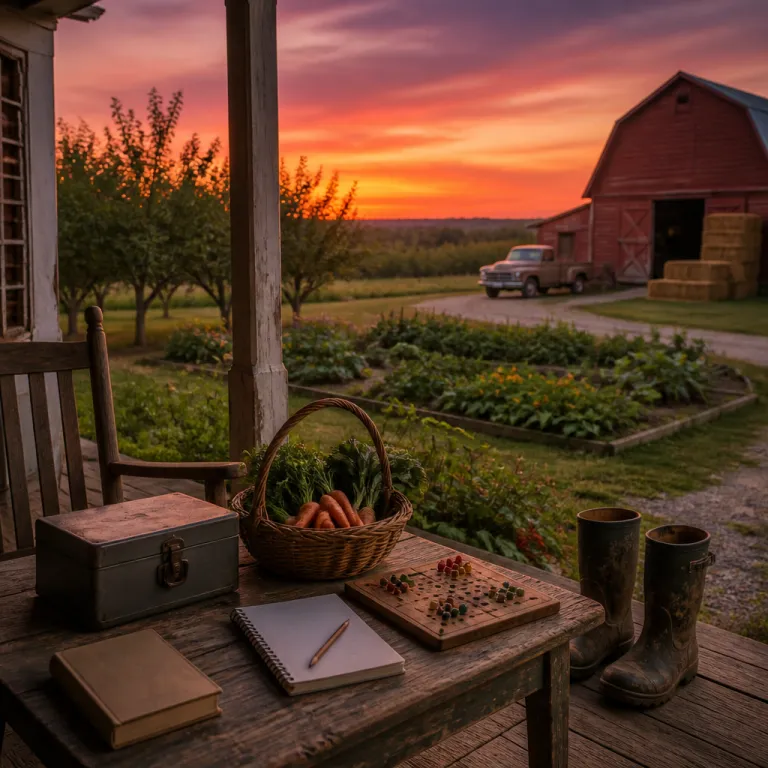
Why a digital detox farm stay week feels different from a spa retreat
A digital detox farm stay week is not a themed vacation with scented candles and background playlists. It is a retreat where the rhythm of milking, mucking out and harvesting quietly replaces the rhythm of notifications, and people realise how much of their day was previously dictated by a glowing screen. During this kind of rural escape, guests move from checking a phone every few minutes to checking the sky, the soil and the animals, and that shift in attention is where the real healing begins.
On a working farm, the structure of each day is non negotiable, because animals need feeding at set times and irrigation cannot wait for social media to finish scrolling. That is why farms often outperform purpose built wellness retreats when it comes to a genuine digital detox, since guests do not have to invent activities to fill the hours and instead follow a clear, seasonal pattern that feels almost like slow living in its purest form. Over several days, this pattern becomes a kind of phone free framework, where the benefits that digital minimalism promises are delivered not by rules on a noticeboard but by the simple fact that the cows will not milk themselves.
In one small farm based digital detox retreat documented informally by its organisers in 2023, participants arrived with an average self reported daily screen time of around 7.5 hours, and many admitted that a day without devices felt almost impossible before they checked in. The programme ran as a full week retreat, with day one for orientation, days two to six for farm activities and workshops, and the final day reserved for reflection and departure, and this clear arc helped people understand that the initial discomfort was part of the reset rather than a sign of failure. According to a follow up survey conducted three months later by the retreat team, based on responses from a few dozen guests, participants reported roughly a fifty percent reduction in screen time after they returned home, a figure that suggests a single unplugged farm stay week can have year round impact on health and attention, even though the data comes from a modest, self selected group and should be read as indicative rather than definitive research.
The three phase reset: what really happens over seven days offline
The pattern during a digital detox farm stay week is remarkably consistent, whether you are in the United States, Canada or rural Europe. The first day feels like withdrawal, as people keep reaching for a phone that is no longer in their pocket, and the absence of digital noise makes every small sound on the farm feel strangely loud. By the second and third day of the retreat, that same soundscape becomes a kind of sound healing in itself, with wind in the trees, hooves on gravel and the clink of milk pails replacing the pings of social media and email.
Operators who specialise in detox retreats often talk about this three phase reset, where the first twenty four hours are restless, the next twenty four are calm, and by day four many guests hesitate to turn their devices back on even when they technically could. This is where the benefits of digital disconnection become obvious, because people notice they are sleeping better, eating more slowly and paying attention to the taste of food that has travelled only a few metres from field to plate, and that sensory focus is a powerful form of healing. During a well designed digital break on a farm, the week is carefully structured so that each morning has purposeful work, each afternoon offers gentle wellness retreat style activities such as a yoga session in the barn, and each evening includes a short silent segment where guests eat in near silence to notice how their bodies feel without distraction.
Some properties borrow ideas from silent retreat traditions and build in a full day silent period midweek, which can feel intense but often leads to the deepest psychological reset. One small family farm in the United States, for example, runs its unplugged vacation programme throughout the year and notes in internal feedback summaries that people who initially signed up for a single week often return for longer stays, because they realise that a phone free week is not a punishment but a kind of gold standard reset for their nervous system. For travellers used to constant screen time, this may sound daunting, yet the combination of physical activity, shared meals and gentle guidance from facilitators with mental health training makes the process feel more like a supported wellness journey than a test of will.
For readers interested in how this plays out in a more traditional heritage setting, our field report on a historic coastal property shows how a carefully curated rural stay can also support a digital detox farm stay week without marketing itself as a formal retreat, and you can read that detailed review in our piece on a thousand and one nights at a historic bed and breakfast in St Augustine. That article examines how even in destinations better known for architecture than agriculture, hosts are starting to design stays where people are gently encouraged to reduce screen time and engage more deeply with place and history. The same principles apply on farms, but the presence of animals and crops adds another layer of accountability, because the day simply will not wait for you to finish scrolling.
From lockboxes to lifestyle: why farms outperform classic wellness retreats
Many urban wellness retreats rely on symbolic gestures, such as a wooden lockbox for your phone at check in, but the rest of the day still revolves around scheduled classes and optional activities that can feel like a spa menu. On a working farm, the digital detox is woven into the fabric of daily life, because the retreat schedule follows the animals rather than the other way around, and guests quickly understand that their presence has real consequences for the farm équipe. This sense of shared responsibility is one reason why a digital detox farm stay week often delivers deeper behaviour change than a city based silent retreat or yoga weekend.
Operators in the United Kingdom, Spain and rural Ireland have shown how powerful this model can be by creating off grid cabins and countryside hideaways where there is no Wi Fi and no digital entertainment at all. Their cabins are not on farms in every case, yet the principle is similar to the best farm based detox retreats, where solar power, eco friendly building materials and minimal infrastructure keep guests close to the land and far from social media feeds. For farm owners, the business case is compelling, because a retreat that emphasises phone free living does not require high speed internet, in room screens or streaming services, yet can command premium pricing thanks to the perceived health and wellness value.
From a sustainability perspective, a digital detox farm stay week can also support regenerative agriculture, because guests who spend time in the fields tend to value soil health and biodiversity more after their experience. When you are choosing between properties, look for those that are transparent about their environmental practices and that align their detox vacation offer with genuine eco friendly operations, rather than using green language as a marketing hook. Our guide to regenerative farm stays and how to tell if the property’s green claims hold up offers a practical checklist that pairs perfectly with planning a digital detox retreat, because it helps you find places where your reset also supports long term land stewardship.
In one farm based programme described in 2021 public talks on screen use and mental health, the methods were deliberately simple, combining complete screen abstinence with farm tasks, group discussions and printed materials instead of apps. Participants joined local farmers, mental health professionals and community volunteers to test whether a week without screens on a farm could reduce stress and improve focus, and the anecdotal results were striking, with organisers reporting lower perceived stress scores and better sleep quality in post retreat questionnaires. When asked, “What activities replace screen time during the retreat?”, organisers answered clearly: “Farm chores, workshops, and group discussions.”
Designing your own week: how to book a farm that truly supports disconnection
When you are choosing a farm for a digital detox farm stay week, start by reading how the hosts describe a typical day rather than focusing only on room photos. You are looking for a retreat where the schedule is built around milking, feeding, harvesting and cooking, because that natural structure will quietly reduce your screen time without you needing to exercise constant will power. Properties that simply offer Wi Fi free zones or a token offline club without integrating guests into daily farm life rarely deliver the same depth of reset.
Ask direct questions before you book, especially if you are planning a detox vacation as your main annual break. Does the farm run its retreats year round, or only as occasional events, and how many days are fully phone free rather than just encouraged to be offline? Clarify whether there are any digital screens in communal spaces, whether social media use is restricted to certain hours, and whether there is a structured day silent period or optional silent retreat style practices for those who want a deeper experience.
Accommodation style matters too, particularly for travellers from the United States and Canada who are used to hotel level comfort. The best wellness retreats on farms balance rustic materials with high quality bedding, good water pressure and thoughtful heating or cooling, so that the absence of digital entertainment does not feel like deprivation, and this balance is crucial for people who are new to slow living. Look for eco friendly features such as solar panels, rainwater collection and natural building materials, because these details signal that the hosts think holistically about health, from the soil to the guest room.
Reading a detailed review from a trusted source can help you understand whether a property’s marketing language matches the on the ground experience. On farmstayplace.com, we focus on paddock level specifics, such as whether the eggs at breakfast are still warm from the coop and whether guests are invited to help with irrigation at dawn, because these details tell you more about the depth of the retreat than any generic wellness claim. When you see a host describe a digital detox farm stay week with clear information about activities, group size, response rates to past feedback and support from mental health professionals, you can be more confident that the benefits digital wellbeing advocates promise will translate into your own stay.
What guests take home: lasting shifts after a week without a screen
The most interesting part of a digital detox farm stay week often begins after guests leave the property and return to their normal routines. In follow up surveys from farm based detox retreats, many people report that they keep at least one day largely device free each week, often a Sunday, and that this simple habit helps them maintain lower stress levels and better sleep. Others describe creating a personal offline club at home, where family members agree to put phones away during meals or for a set block of time each evening.
Health outcomes are not limited to mental clarity, although reduced anxiety and improved focus are the most commonly cited benefits. Some guests notice physical changes, such as fewer headaches, better digestion and a more stable heart rate, which they attribute to a combination of lower screen time, more movement and nutrient dense farm food, and these changes often motivate them to book another retreat within the same year. For travellers from the United States and Canada, where work culture often normalises constant connectivity, this kind of reset can feel almost radical, yet the experience of being phone free for several days proves that their will is stronger than the pull of digital platforms.
Operators who run these programmes year round see patterns in how guests integrate the experience. Solo travellers often use a digital detox vacation as a pivot point, making decisions about career, relationships or where they want to live, because the quiet of the farm gives them space to hear their own thoughts without social media noise. Couples and small groups tend to focus more on shared rituals, such as cooking together or walking at dusk, and they frequently mention that the retreat reminded them how rich a simple day can feel when attention is not constantly fragmented.
For farm owners, the long term impact of a digital detox farm stay week extends beyond guest satisfaction scores and glowing review comments. Many report that alumni of their retreats become informal ambassadors, recommending the experience to friends and returning with new people each season, which creates a stable, values aligned guest community. In a travel landscape crowded with quick fix wellness retreats, farms that commit to genuine digital detox programmes grounded in real work, real food and real connection are quietly setting a new gold standard for what a meaningful vacation can be.
FAQ
What activities replace screen use during a digital detox farm stay week ?
During a well designed digital detox farm stay week, structured farm chores such as feeding animals, collecting eggs and tending vegetable beds take the place of passive scrolling. Workshops on topics like cheese making, bread baking or basic soil health add learning to the retreat, while group discussions in the evening provide social connection without social media. As one organiser explains in a reference programme: "Farm chores, workshops, and group discussions."
Do I need prior farming experience to join a farm based detox retreat ?
No previous farming experience is required for a digital detox farm stay week, because activities are designed for beginners and supervised by experienced farmers. Tasks are matched to each person’s comfort level, so you might start with collecting eggs or helping in the garden before moving on to more physical work. Safety briefings and clear instructions ensure that people feel supported rather than overwhelmed.
How does a week without screens on a farm affect mental health ?
Evidence from farm based detox retreats and broader digital wellbeing research shows that a week without screens, combined with physical activity and social connection, can significantly reduce stress and improve focus. Participants in one small documented programme cut their average daily screen time by roughly half after returning home, and many reported better sleep and a calmer mood in follow up questionnaires. The combination of routine, nature exposure and a phone free environment appears to be more effective than simply limiting apps while staying in a regular hotel.
What should I pack for a digital detox farm stay week ?
Pack comfortable clothing suitable for outdoor work, including layers for changing weather and sturdy shoes for uneven ground. A simple journal is useful for reflecting during day silent periods or in the evenings, especially when you are processing the reset that comes from being offline. You should also prepare for moderate physical activity, as most retreats involve walking, lifting light objects and spending several hours outside each day.
Are these farm based wellness retreats available year round ?
Many farms now offer some form of digital detox vacation year round, adjusting activities to the season so that guests can participate in planting, harvesting or winter animal care. However, availability varies by region and climate, so it is wise to check the specific days and seasonal schedule of each retreat before booking. Properties that run programmes across all seasons often provide the most consistent structure and support, which can enhance the overall health benefits of your stay.