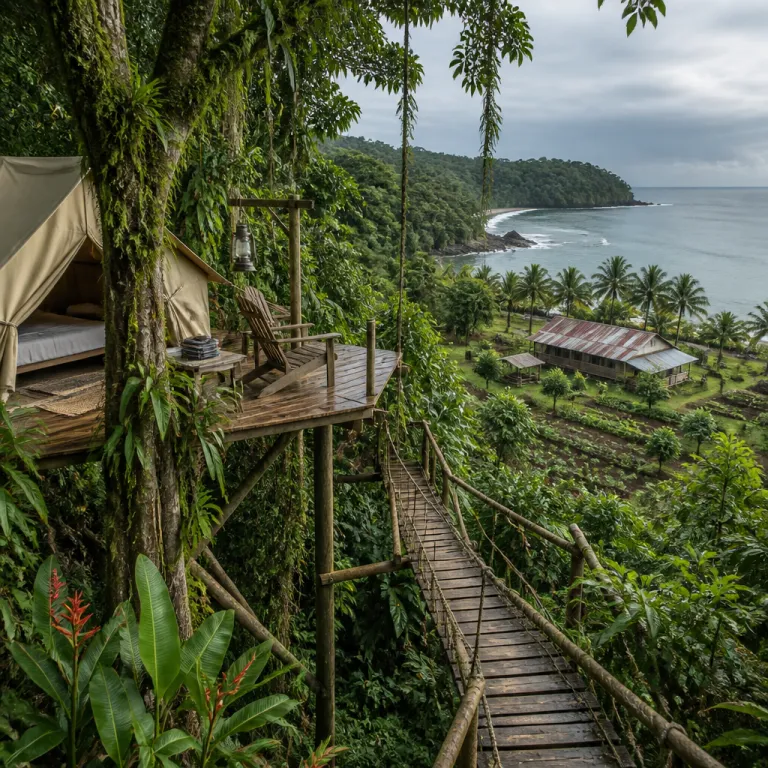
Glamping Costa Rica for luxury farm stays with a wild edge
Glamping Costa Rica brings together refined comfort and raw nature in a way few destinations can match. In this compact country of volcanic mountains, rainforest valleys, and two oceans, you can sleep in a luxury tent on a working farm and still reach a quiet beach or national park within a couple of hours. For travellers used to traditional camping, the shift to upscale camping in Costa Rica feels like stepping into a private lodge while keeping the same intimate connection to the land.
Across Costa Rica there are roughly a dozen dedicated glamping sites in the current market, and several of them sit on or beside small farms where cacao, coffee, or tropical fruit are still harvested by hand. These rural properties give glamping in Costa Rica a different character from a standard boutique hotel because you wake to the sound of milking buckets, not traffic, and your view often includes grazing horses or dairy cows. When you book a luxury glamping stay on a farm, you gain a front row view of local life along with easy access to trails, rivers, and biological reserves that remain largely unknown to mass tourism.
For guests who want a luxury safari feel without flying to another continent, Costa Rica’s tented camp options deliver canvas, wood, and glass structures that frame every view. The typical high-end tents on these farms include proper beds, private bathrooms, and sometimes a jacuzzi, so the camping experience feels indulgent rather than rustic. If you read guest reviews on major booking platforms, you will notice that the most praised glamping tents are those that balance comfort with a sense of place, using local materials and farm-grown produce to keep the experience grounded.
Hidden farm based glamping near Arenal Volcano and Tenorio
The northern highlands are the heartland of glamping Costa Rica for travellers who love volcano views and cool nights. Around Arenal Volcano, dairy farms and smallholdings have gradually added luxury tents and domes, creating a ring of low key retreats that still feel authentically rural. This region is ideal if your family wants both soft adventure and easy access to a national park without sacrificing a comfortable tent and hot shower.
Morpho Glamping, close to Lago Arenal, offers a private dome for couples on a property where you still hear cattle in the distance and toucans overhead. The view from these tents stretches across the lake and towards the Arenal Volcano massif, so sunrise feels theatrical even on cloudy mornings. A short drive away, Arenal Glamping positions its tents near pastures and forest edges, and while it operates more like a small glamping hotel, the surrounding farms keep the atmosphere friendly and unpretentious.
Further north, Rio Celeste Jungle Glamping and Bitzu Dome near Bijagua sit close to Tenorio Volcano National Park, where the famous blue river cuts through dense rainforest. Here the glamping experience leans into seclusion, with each tent or dome tucked among trees and often overlooking a stream or small pasture. A local host in Bijagua describes it simply: “You wake up to the river, not the road.” If you enjoy reading on a deck while listening to water and birds, this corner of Costa Rica offers some of the best hidden glamping tents for slow mornings and quiet evenings, and it pairs well with a refined coastal escape such as a few nights on the Nicoya Peninsula or a quiet Pacific beach town.
Ocean view tents and island retreats on working coastal lands
Along the Pacific coast, glamping Costa Rica takes on a saltier flavour, with beach breezes and ocean horizons replacing volcano silhouettes. Many of these coastal properties began as family farms or fishing outposts, then evolved into small scale luxury camping projects that still respect the rhythms of the tide and the soil. For guests, that means you can sleep in a luxury tent at night and watch local crews tend boats or orchards by day, creating a layered travel experience.
Isla Chiquita Glamping Hotel, set on a private island in the Gulf of Nicoya, is one of the clearest examples of this blend between ocean and land. Its glamping tents with ocean views sit above rocky shores and mangroves, and boat transfers keep the island feeling like a secluded tented camp rather than a conventional resort. The view from each luxury tent stretches across the water, and at night you can often hear both waves and the soft clink of fishing gear from nearby boats, a reminder that this is still working water.
On the mainland, Flor y Bambú in Playa Grande and GuanaGlamp in Guanacaste offer a different take on glamping Costa Rica, with luxury tents and cabins set back from the beach among trees and gardens. These properties often keep small kitchen gardens or fruit trees, so your breakfast might include mangoes or papayas grown a few metres from your tent. If you are planning a wider journey that includes other refined outdoor stays, you can compare these Costa Rica glamping experiences with elegant tented retreats in other coastal regions, where the climate may be drier but the focus on landscape and comfort feels familiar.
Rainforest farm stays in the Caribbean and south Pacific
On the Caribbean side, glamping Costa Rica reveals a different mood, with denser rainforest, higher humidity, and a stronger Afro Caribbean cultural influence. Around Puerto Viejo, Colina Secreta offers luxury tents and suites in a jungle setting that still feels connected to small local farms and homesteads. Here the glamping experience is less about a manicured lawn and more about hearing howler monkeys at dawn while you sip coffee grown in other parts of Costa Rica.
In the south Pacific region, properties near Dominical and the Osa Peninsula often combine small scale agriculture with rainforest conservation, creating some of the best hidden glamping Costa Rica options for wildlife lovers. Chorro Ecolodge, for example, pairs luxury glamping with a private waterfall and adventure activities, while still maintaining a low impact footprint on the surrounding forest. Guests who book these stays often comment on the great balance between comfort and immersion, as you can walk from your tent to a river or trail in minutes and still return to a hot shower and proper bed.
Further along the coast, towards Manuel Antonio and the wider south Pacific corridor, you will find farms that supply fruit, herbs, and dairy to nearby lodges and glamping tents. While Manuel Antonio National Park itself is more developed, the hills behind the coast hide small properties where a single tent or a handful of glamping suites sit among cacao or plantain. For travellers who want a family friendly base near the beach but away from crowds, these farm linked glamping Costa Rica stays offer a quieter alternative to the busy hotels around Manuel Antonio.
Design details that define luxury tents on Costa Rican farms
What separates a simple tent from a true luxury tent in Costa Rica is not only the thread count of the sheets, but how thoughtfully the structure frames the landscape. On the best farm based glamping sites, owners position view tents to capture either sunrise over hills, sunset over the ocean, or a direct line to a volcano or rainforest canopy. This attention to view transforms each tent into a private observatory, turning even a rainy afternoon into a memorable part of your stay.
Inside, luxury tents in Costa Rica usually feature solid flooring, proper insulation, and high quality bedding, often with local textiles that reflect regional patterns. Many glamping tents now include private bathrooms with hot water, and some, like Montaña Encantada near Escazú, add jacuzzis or transparent domes for stargazing. When a tented camp reaches this level of comfort, the camping experience shifts towards a luxury safari style stay, where you can enjoy the sounds of nature without sacrificing sleep quality or privacy.
Outside, decks and small terraces are crucial, especially on working farms where the view changes with each season. A well designed glamping hotel will give every tent enough space so you can read, dine, or simply sit without seeing your neighbours, which is essential for couples and family groups seeking calm. If you value sustainability, look for properties that use local wood, solar power, and rainwater systems, as many Costa Rica glamping owners now invest heavily in eco friendly infrastructure to protect their land.
How to choose and book the right glamping camping stay
Selecting the right glamping Costa Rica stay starts with clarifying your priorities, whether that is proximity to a national park, access to a quiet beach, or immersion in farm life. If wildlife and rainforest are your focus, look for properties near Tenorio Volcano National Park, Arenal Volcano, or the biological reserves of the south Pacific and Osa region. For guests who prefer coastal breezes and ocean views, an island style glamping hotel or a Playa Grande property will suit better than an inland farm.
When you are ready to book, use official websites or direct email contacts listed on property pages to confirm availability and specific tent details. Many hosts in Costa Rica are very friendly and will gladly explain whether their luxury tents are suitable for a family, a couple, or solo travellers, and whether the terrain around the tents is steep or accessible. As a simple example, you might email a property near Arenal to request a family tent with volcano views for three nights, then add two nights at an island glamping hotel in the Gulf of Nicoya to finish your itinerary with ocean sunsets.
Before confirming your glamping reservation, always read recent reviews and check weather patterns for your travel dates, especially in the green season. Pack light but practical gear for an outdoor stay, including closed shoes for farm paths and a light jacket for cooler nights in higher elevations like Arenal. Remember that bookings for glamping Costa Rica often fill quickly during local holidays and peak travel months, so securing your preferred tented camp several weeks in advance is wise.
Family friendly adventures and quiet escapes in glamping tents
Glamping Costa Rica works particularly well for multi generational trips, because it blends the nostalgia of camping with the comfort older relatives often require. Children can run between fruit trees, watch farm animals, and fall asleep to rainforest sounds, while parents relax on decks with a clear view of both the kids and the surrounding hills. For families used to city life, a few nights in a luxury tent on a working farm can be a gentle introduction to adventure without the stress of pitching tents or cooking over a fire.
Many glamping properties partner with local tour operators to offer guided hikes, horse riding, waterfall visits, and wildlife watching, turning a simple stay into a full glamping experience. Around Arenal and Tenorio, you can combine your tent base with rafting, canopy tours, or hot springs, while coastal farms near Manuel Antonio and the south Pacific add surfing and snorkelling to the mix. For quieter days, most sites provide hammocks, small libraries to read from, and easy trails where you can walk alone or with a guide to learn about medicinal plants and farm practices.
For couples, Costa Rica glamping can feel as intimate as a luxury safari, especially in smaller properties with only a handful of glamping tents. Transparent domes like those at Montaña Encantada or secluded domes near Bijagua allow you to stargaze from bed, while island stays like Isla Chiquita add the romance of boat transfers and ocean sunsets. As one local operator explains, “Glamping is a blend of 'glamorous' and 'camping,' offering luxurious camping experiences that still keep you close to the forest, the farm, and the sea.”
Key figures and trends in Costa Rica glamping
- The current market includes around 10–15 dedicated glamping sites across Costa Rica, a small but growing segment that allows travellers to spread their stays between volcano regions, coasts, and rainforest farms (estimate based on listings from the Costa Rican Tourism Board and major booking platforms, reviewed in 2024).
- The average nightly rate for a glamping tent in Costa Rica is typically between 120 and 200 USD, positioning these stays between mid range hotels and high end eco lodges while still offering luxury level comfort (range derived from publicly listed prices on property websites and booking engines, checked in 2024).
- Bookings for glamping Costa Rica are available year round, but peak demand typically aligns with the country’s dry season and major holiday periods, so advance reservations are strongly recommended (pattern consistent with data from the Costa Rican Tourism Board and UNWTO regional reports).
- Many glamping properties now partner with local communities and tour operators, which helps support rural economies and encourages conservation of surrounding rainforest and biological reserves (reported in sustainability statements from individual lodges and national tourism briefings).
Frequently asked questions about glamping Costa Rica
What is glamping and how is it different from camping in Costa Rica ?
Glamping in Costa Rica combines the outdoor setting of camping with the comfort of hotel style amenities such as real beds, private bathrooms, and sometimes jacuzzis. You still sleep in a tent, dome, or canvas structure, but the experience feels closer to a small lodge than a basic campsite. This makes glamping in Costa Rica particularly appealing for travellers who want nature immersion without sacrificing sleep quality or privacy.
Are glamping sites in Costa Rica suitable for families ?
Many glamping Costa Rica properties are designed with families in mind, offering multiple beds per tent and safe outdoor spaces for children to explore. Farm based sites are especially family friendly, as kids can interact with animals, learn about crops, and enjoy short walks without long transfers. When you book, confirm age policies and available activities to ensure the glamping experience matches your family’s energy level.
How eco friendly are Costa Rica glamping properties ?
A significant number of glamping sites in Costa Rica emphasise sustainability through solar power, rainwater collection, and low impact construction. Farm stays often go further by sourcing food directly from their land and supporting nearby communities. If eco credentials are important to you, ask hosts about their specific practices before you book, and look for properties near biological reserves or national parks that participate in conservation efforts.
What amenities can I expect in a luxury tent or dome ?
Most luxury tents and domes in Costa Rica include proper beds with quality linens, private or semi private bathrooms with hot water, and electricity for lighting and charging devices. Many glamping tents also offer Wi Fi, fans, or air conditioning, plus outdoor decks with seating to enjoy the view. Higher end sites may add jacuzzis, plunge pools, or transparent panels for stargazing, especially in tented camp properties near Arenal or Escazú.
How should I book a glamping stay in Costa Rica ?
You can book glamping Costa Rica stays through official property websites, direct email contacts, or reputable third party platforms that specialise in unique accommodations. Direct booking often gives you the best chance to request specific tents, clarify accessibility, and arrange farm or adventure activities in advance. Always read recent reviews and confirm cancellation policies, especially if you are travelling in the green season when weather can affect road conditions.
References: Costa Rican Tourism Board (ICT), National System of Conservation Areas of Costa Rica (SINAC), United Nations World Tourism Organization (UNWTO), and publicly available information from individual glamping property websites and booking platforms, reviewed in 2024.