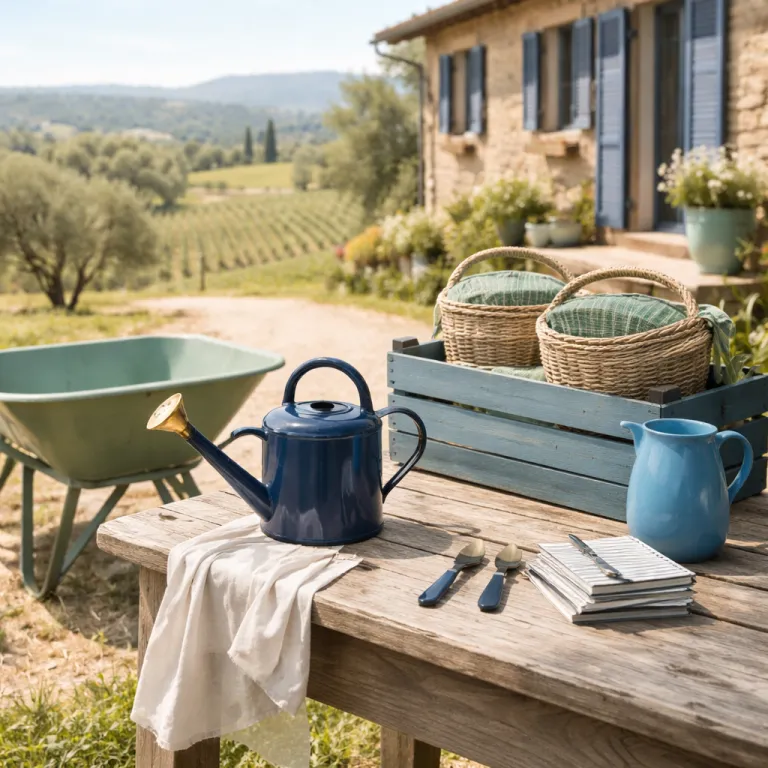
Policy powered italy agritourism 2026 and the new luxury farmhouse map
Italy’s agritourism landscape in 2026 is the result of deliberate policy, not a passing countryside fad. Government incentives and EU rural diversification funds have pushed farm-based hospitality into a strategic pillar of the national tourism offer, especially in regions where the agricultural economy once struggled to keep younger generations on the land. Trentino–Alto Adige and Tuscany now sit at the top of the agriturismo hierarchy, while Liguria, Umbria and Marche emerge as quieter alternatives for a premium farm stay with fewer tour buses.
According to Istat’s latest agricultural tourism survey (Istat, “Agritourism in Italy,” 2022 release, data for 2021), agritourism businesses in Italy have passed twenty six thousand establishments, and the sector generates close to two billion euros in annual value, making it central to rural economic survival in areas such as Tuscany and Umbria. The same report notes that Tuscany alone accounts for more than five thousand agritourism operations, with Trentino–Alto Adige and Lombardy following, while the South is catching up fast: Apulia and Sicily record double digit growth in guest arrivals, reshaping how international visitors think about a farm stay beyond the classic stone farmhouse in central Italy. This is the real backdrop to italy agritourism 2026 for travelers seeking high quality accommodation rather than a themed countryside set.
Policy makers frame agritourism as a tool to promote rural tourism, enhance local economies and preserve cultural heritage, and those three goals now shape what you see when you book a stay. Methods such as sustainable tourism practices, cultural events and local product promotion are written into regional funding criteria, which means a luxury agriturismo in Tuscany or a renovated farmhouse near Lake Trasimeno is expected to offer more than a comfortable bed and a photogenic swimming pool. As one regional agriculture official in Umbria put it in a 2023 policy briefing, “if the farm is not alive, the agriturismo is not authentic,” a line that now echoes through local development plans. The Erasmus+ AGRI-TOUR project on sustainable agritourism training, launched in 2020 with partners from Italy, Spain and Portugal, along with regional initiatives such as the “Vetrina Toscana” network of farm-based food experiences, act as reference frameworks, while online platforms and digital booking tools make it easier for international guests to compare stays across Tuscany Italy, Umbria and Apulia.
How to read the new agriturismo landscape from tuscany to lake trasimeno
For couples planning italy agritourism 2026 trips, the first task is to distinguish genuine working farms from rural accommodation that only borrows the aesthetic. A true agriturismo is legally tied to an active farm, and national rules require that a significant share of revenue must still come from agriculture rather than hospitality alone, which keeps the focus on vines, olive groves or dairy herds instead of only spa menus. When you book a farm stay in Tuscany Italy or near Lake Trasimeno, ask directly how much of the business remains rooted in the farm, and how much is now driven by guest stays and events.
In classic areas such as Chianti Classico, the most compelling properties balance high quality rooms with visible agricultural work, from early morning pruning to late harvest tastings. Many of these estates now host at least one conference agritourism event each season, using their barrel halls or olive mills for small conferences Italy that mix wine education with rural policy debates. Case studies such as Fattoria La Vialla in the Arezzo countryside, which combines organic farming, on-site tastings and educational visits, show how couples who enjoy food led travel can time their stay with agritourism conferences or an Italy conference on sustainable farming, turning a romantic weekend into an insider look at how destination branding and cultural heritage are managed on the ground.
Beyond the Tuscany corridor, regions like Marche, Liguria and Apulia are using italy agritourism 2026 momentum to reposition themselves as quieter, more intimate choices. Here, you will find smaller farmhouse conversions where a handful of beds sit beside orchards, and where the swimming pool is sized for a few couples rather than large conferences. In Marche, for example, regional programs promoting “agriturismi di qualità” encourage hosts to pair limited room numbers with certified local products, while in Apulia olive estates near Ostuni and the Itria Valley offer tasting walks through centuries old groves. When comparing these to more established luxury accommodation with natural views in other parts of the world, such as refined farm stays in New South Wales, the Italian edge remains the tight link between food, landscape and centuries of farm culture.
From rome to venice: practical booking intelligence for premium farm stays
Italy agritourism 2026 also plays out in the way international travelers move between cities and countryside, stitching farm stays into classic itineraries. Many couples now pair two or three nights in Rome Italy, Florence Italy or Venice Italy with a longer stay on a nearby farm, using fast rail links and short transfers to reach the countryside without renting a car. This pattern is especially strong around Florence, where a farmhouse in Chianti Classico or near Lake Trasimeno can feel like a rural annex to an urban break.
Peak demand follows both school holidays and major conferences, so planning matters if you want an excellent room category and flexible meal plans. Large events such as an international conference in Rome or an Italy conference on sustainable food systems can quietly fill agriturismo beds across Lazio and Umbria, as delegates extend their stays for a few nights of quiet after the city. The same happens when agritourism conferences or policy meetings take place in Turin Italy, Naples Italy or Venice Italy, drawing mixed audiences of farmers, academics and hospitality professionals.
For couples focused on intimacy and service, it helps to borrow a few lessons from Japanese omotenashi driven hospitality, where attention to detail and anticipation of needs define a high quality stay. Some Italian hosts now study these service philosophies and adapt them to the rhythm of the farm, creating a style that feels both international and deeply local. Travelers who have sampled refined glamping in other markets, from luxury tents near Dallas to meticulously run farm retreats in Asia, will recognise the same emphasis on quiet comfort, but here the eggs are still warm from the henhouse and the farmer is the one explaining why the yolks are that colour.
Trusted resources
For deeper context on italy agritourism 2026 and rural policy, consult Istat for official agritourism statistics, the Erasmus+ AGRI-TOUR project for development frameworks, and Euronews travel reporting for Europe wide farm stay trends. To compare how refined countryside stays are evolving globally, you can read about luxury accommodation with natural views in New South Wales and explore how premium farm retreats are framed outside Europe. For a sense of how high touch service philosophies travel across borders, the article on Japanese omotenashi shaping luxury farm stays offers a useful counterpoint to the more rustic Italian approach, while this piece on refined glamping in Dallas shows how destination branding and farm aesthetics are handled in a very different landscape.