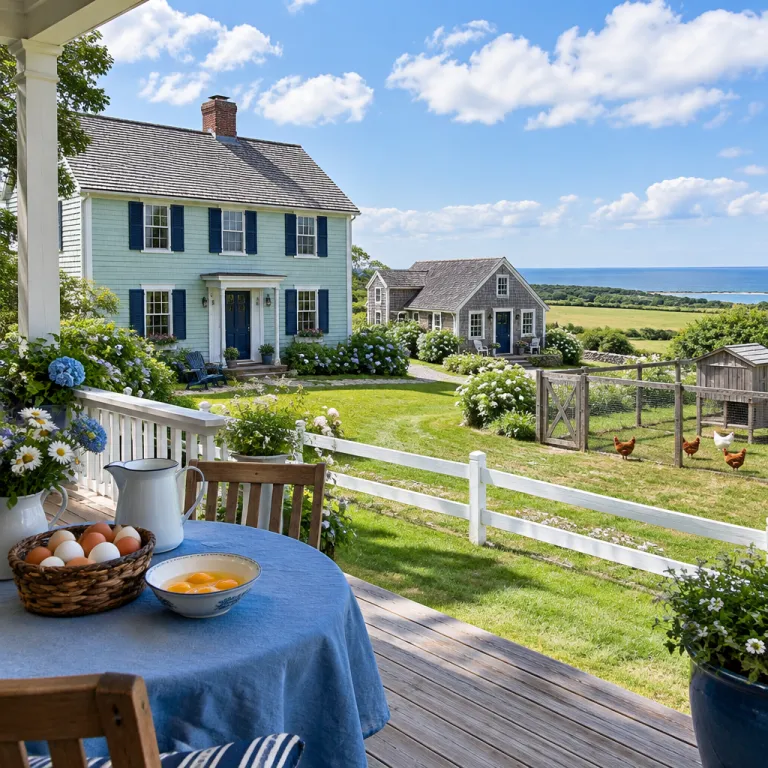
The line between a farm backdrop and a true farm stay
A refined rural escape starts with understanding what a real farm stay actually is. A farm stay is defined as “Accommodation on a working farm offering immersive experiences”, and that single sentence separates a staged countryside backdrop from the best farm stay experience you are seeking. When you read any listing, ask whether the stay is built around farm life or whether the farm is just a scenic prop behind a standard country rental.
Look for clear language about a working farm, daily tasks, and how guests may learn from the people who run the property. A genuine farm stay will describe milking times, orchard walks, or vegetable harvesting rather than only mentioning a pretty farmhouse, a valley view, or a stylish bed and breakfast room. When a host explains how many hectare or acre property they cultivate and which farm animals live there, you are usually closer to the best farm stay experience than to a simple rural stay vacation.
Luxury in this context is not about gold taps; it is about proximity to real farm life with thoughtful comfort. The most popular farm stays balance privacy and participation, letting guests choose between quiet mornings in farm cabins and hands-on moments in the fields. As one host in northern Italy put it, “Guests don’t come for chandeliers; they come to hear the cows before breakfast.” When you read article-style descriptions on a premium platform, prioritise properties where the stay is woven around the rhythms of the farm, not where farms are just mentioned as scenic marketing copy.
How to read listings for authenticity, not just aesthetics
When you read any farm stay listing, start with the agricultural detail, not the décor. Hosts who run genuine working farms usually describe crops, herd sizes, and seasonal tasks before they mention the colour of the bed linen or the shape of the breakfast table. If a property only talks about a cute farmhouse and a photogenic inn-style room, you may be looking at a countryside stay rather than the best farm stay experience.
Consider how specifically the host describes the farm itself. A serious listing will usually mention approximate orchard size, the number of dairy cows or sheep, and the main crops or products guests will encounter, even if exact figures change from year to year. Properties that highlight tents or cabins set directly in the fields, or guest rooms above a working dairy or stable, signal authentic farm life rather than a themed bed breakfast that simply borrows rural imagery. Clear statements that guests sleep near the barns or pastures, and that they may observe daily chores, are strong indicators of a true working farm.
For couples planning family vacations with kids, clarity matters even more because expectations around safety and interaction are higher. Look for listings that explain whether children may help feed sheep on a sheep farm, collect farm fresh eggs, or simply watch from a safe distance during busy milking hours. When you plan a Tuscan farmhouse stay in the Val d’Orcia, a refined guide such as this Tuscany farmhouse stay in the Val d’Orcia guide shows how serious hosts describe both the property and the surrounding valley in precise, practical language.
The host farmer as storyteller, teacher, and quiet luxury
The best farm stay experience usually hinges on one person; the host farmer who is willing to share their world. On a true working farm, this host is not a distant manager but the person who knows every field, every animal, and every fence post by memory. When they walk you through the property at dawn and explain why the soil smells different after rain, you understand why farm stays can feel more luxurious than many city hotels.
Interactive experiences are not a gimmick; they are the economic engine of serious agritourism. Industry case studies from European agritourism associations suggest that farm stays with structured activities often earn noticeably higher nightly revenue than comparable rural rentals, which shows how much guests value the chance to learn directly from farmers. When a host takes time to farm learn with you, whether that means pruning vines, feeding fat sheep on a hill farm, or pairing farm fresh cheese with local wine, the stay becomes both an education and a pleasure.
On some properties, such as a sheep farm in the Douro or hull farms style dairies in the USA, the most memorable moments happen in the quiet margins of the day. A farmer might pause beside the bed of herbs outside the farm inn kitchen and explain which ones will appear at breakfast, turning a simple bed and breakfast into a field to plate seminar. One guest at a Portuguese hill farm described her favourite memory as “sitting on the stone wall at dusk while the farmer pointed out each terrace and told us which vines his grandfather had planted.” For couples planning a custom itinerary, a resource like this guide to bespoke Douro farm stay escapes shows how a stay vacation can be curated around specific farm life experiences rather than generic rural tourism.
Field to plate: why twenty metres matter more than thread count
In luxury farm stays, the real status symbol is not a marble bathroom; it is the breakfast where the eggs were collected twenty minutes earlier. When you sit at a long wooden table in a farmhouse kitchen and the host explains which row of the vegetable garden produced your tomatoes, you are living the best farm stay experience in its purest form. That twenty metre journey from field to plate is what separates authentic farm stays from rural inns that simply buy from a wholesaler.
Look for listings that talk in detail about meal provenance, not just that they offer a generous breakfast. A serious farm inn will specify whether the yoghurt comes from their own cows, whether the bread is baked on site, and which farms supply any items they do not produce themselves. When a property in South Africa, for example, names the neighbouring farms that provide citrus or olives, you know the stay is rooted in a real agricultural network rather than a themed escape.
For couples travelling with kids or planning multi generation family vacations, this transparency becomes part of the learning. Children who help gather farm fresh herbs or watch the farmer churn butter understand farm life in a way no classroom can match. When you browse refined countryside options such as these elegant countryside stays in the Cotswolds, pay attention to how clearly each property describes its relationship with local producers, because that language often predicts the depth of your eventual experiences.
Practical questions to ask before you book a premium farm stay
Before you commit to any stay, ask the host to outline their seasonal calendar in detail. A working farm in lambing season feels very different from a quiet hill farm in late summer, and your expectations for rest or activity should match that rhythm. Couples seeking the best farm stay experience should clarify whether they want to join early morning chores or simply wake to distant sounds of farm animals from a comfortable bed breakfast room.
Clarify which lodging types are available on the property and how close they sit to the core of farm life. Some guests prefer farm cabins tucked at the edge of an acre property, while others want to sleep directly above the dairy like at New Day Dairy Guestbarn, where the stay is fully immersed in the herd’s routine. Ask whether the inn or farmhouse offers private bathrooms, how many other guests may share common spaces, and whether family stays with kids are hosted at the same time as couples seeking quieter vacations.
Finally, request specifics about interaction policies and safety, especially if you plan a stay vacation with children or older relatives. Ask which farm animals guests may touch, which areas of the working farm are off limits, and whether any farm learn activities are supervised by staff. To make this easier, use a simple checklist as you read each listing: Is it a working farm with daily tasks guests may observe? Are activities and age limits clearly described? Is food provenance explained in practical terms? Are safety rules, supervision, and hosting style transparent? When you read article-style descriptions on a curated platform such as farmstayplace.com, look for properties where hosts answer these questions clearly in advance, because that level of transparency usually signals both professionalism and genuine pride in their farms and experiences.
FAQ
What is a farm stay and how is it different from a rural rental ?
A farm stay is defined as “Accommodation on a working farm offering immersive experiences”, which means the property is an active agricultural site rather than just a house in the countryside. Guests usually have the option to observe or join daily tasks, interact with farm animals, and learn about food production directly from farmers. A rural rental may share similar views, but without that working farm component it will not deliver the same depth of experience.
Are farm stays suitable for families with children ?
“Are farm stays suitable for families? Yes, many offer family-friendly activities”, and the best properties explain clearly how kids can participate safely. Families should ask about age appropriate tasks, such as collecting eggs, feeding sheep, or helping in the vegetable garden under supervision. When hosts provide clear guidelines and structured activities, a farm stay can become one of the most memorable family vacations you will ever plan.
Do guests have to work on the farm during their stay ?
Participation is usually optional, and “Do farm stays require participation in farm work? Participation is often optional” confirms this for most serious operators. Many couples prefer to watch from a distance, joining only the occasional tour or tasting, while others enjoy more hands-on farm learn sessions. The key is to clarify expectations before booking so your stay matches your desired balance of rest and activity.
How can I tell if a farm stay is genuinely luxurious ?
Luxury in farm stays is less about chandeliers and more about thoughtful comfort wrapped around authentic farm life. Look for high quality beds, well heated or cooled rooms, and excellent breakfasts built from farm fresh ingredients, all delivered by hosts who are present and engaged. When a property combines serious agricultural work with quiet, well designed spaces for guests, you are likely looking at a genuinely premium stay.
Which destinations are best for couples seeking refined farm experiences ?
Couples often gravitate toward wine valleys, orchard regions, and coastal farms where food and landscape are equally compelling. Areas such as the Val d’Orcia in Tuscany, the Douro Valley, the Cotswolds, and working farms in South Africa offer a strong mix of scenery, gastronomy, and comfortable lodging types. Within each region, focus on properties that prioritise small scale hosting, clear storytelling about farm life, and meals that travel only a few metres from field to plate.