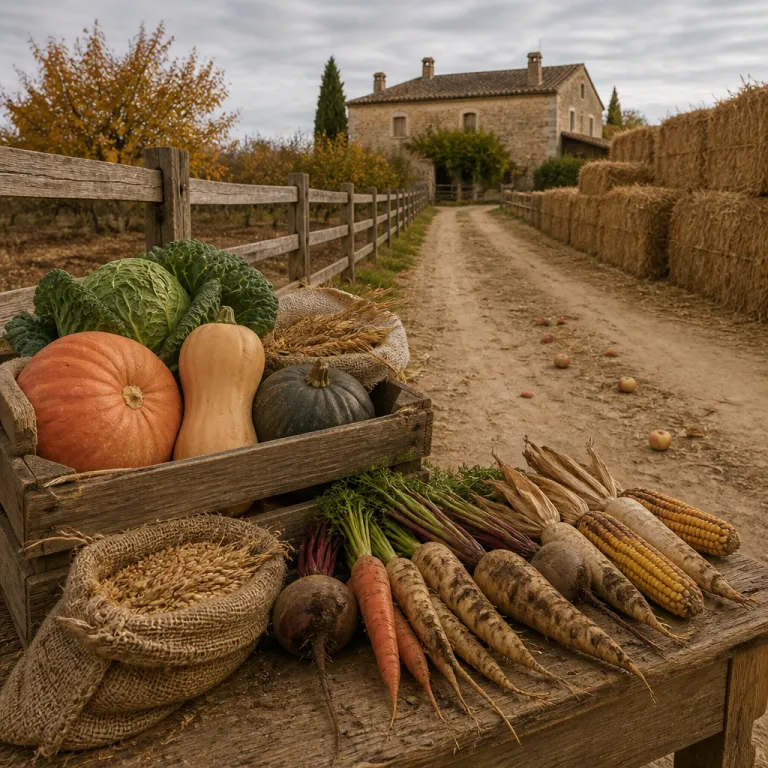
Why the autumn farm stay off season experience feels more intimate
On a working farm once the main harvest is in, the pace shifts. The autumn farm stay off season experience gives you space to breathe, because the fall crowds thin and the farmers finally have minutes to talk rather than rush. You still see the fields, the farm animals and the last pumpkin vines, but the season has softened into something quieter and more attentive.
Post harvest, many farms pivot from volume to depth, and that is where premium stays shine. Operators accept lower occupancy in this season, yet they often see higher per guest spending on food, tours and curated experiences that feel tailored rather than templated. For couples planning travel, that trade off means your stay can include a private farm table dinner, a slow tour of the regenerative farm practices and perhaps a morning in the orchard with no one else around.
Data from U.S. agritourism shows that only a small percentage of farms currently host guests year round, even though interest in farm stays keeps rising. That gap is your opportunity, because the best farm properties use the autumn farm stay off season experience to deepen their story rather than simply extend their calendar. When you arrive after the day trippers and school buses have gone, you are stepping into the farm’s real year, not its performance for peak season.
What actually happens on farms between late harvest and winter
Autumn on a sheep farm or regenerative farm is not a sleepy epilogue, it is a pivot. Livestock come down from high summer pasture, fat sheep are checked and sorted, and the last pumpkin patch rows are cleared before frost settles for the year. On a working farm that welcomes guests, this is when you see the systems that keep the place running, not just the curated fall décor.
Many U.S. farms now use overnight stays, farm tours and hands on activities to extend their season, and the autumn farm stay off season experience is where those elements feel most authentic. You might join a short tour of the olive press, then spend a day helping to glean apples, before sitting at a farm table dinner where the food has travelled only minutes from soil to plate. As one definition puts it with clarity, “What is agritourism? Agritourism involves visiting farms for educational and recreational purposes.”
Technology is also reshaping how guests see this post harvest period, especially at properties that lean into smart farming. If you are curious about how data dashboards translate into guest experiences, look for stays that highlight precision agriculture in their descriptions and read guides such as the one on smart farms and guest experiences, which show how a farm stay can be both rustic and quietly high tech. When those tools support, rather than overshadow, the animals and the soil, the result is one of the best experiences you can book in any season.
The flavours of fall: from farm fresh harvests to family style tables
For many couples, the most memorable part of an autumn farm stay off season experience is the food. After the main harvest rush, kitchens finally have time to play, and the late fall pantry becomes a canvas for slow braises, roasted pumpkin and farm fresh cheeses that rarely appear on high summer menus. You sit down at a farm table where the conversation ranges from soil health to sheep breeds, and the plates keep arriving in generous, family style waves.
On the best farm stays, this is the season when chefs and farmers collaborate most closely, because the pressure of peak day traffic has eased. They might serve lamb from the same sheep farm you walked through that morning, or pour cider pressed only minutes earlier while you watched the process beside the barn. For a deeper sense of how late season kitchens think, look to in depth harvest dining guides that explore what farm stays serve when the harvest hits its stride, then ask your host how their own menu changes once the buses leave.
Expect year round staples like eggs and dairy, but notice how the fall larder shapes the meal into something more grounded. Root vegetables, cool weather greens and long simmered stocks turn a simple cabin supper into one of those experiences that recalibrates what you expect from rural food. When a family farm has the confidence to serve what is truly in season, rather than what photographs best, you taste the difference in every course.
How to choose the right farm cabins and unique stays for autumn
Selecting the right property for an autumn farm stay off season experience starts with one question, which is whether the farm genuinely operates beyond summer. Look for clear signs of year round activity, such as mention of winter chores, shoulder season events or specific fall tasks like orchard pruning and livestock movements. If a place only shows sun drenched pool photos and never references mud, rain or cold mornings, it may not be the best farm choice for this quieter season.
Accommodation style matters too, especially for couples seeking both comfort and proximity to the fields. Farm cabins set a few minutes’ walk from the main barn can feel wonderfully private, while still keeping you close enough to hear farm animals at daybreak and join early tours without a long commute. Some of the most unique stays pair a simple cabin or converted sheep shed with elevated linens, strong heating and thoughtful touches like boot trays and drying racks for wet hiking trails gear.
Location shapes the mood of your stay, so consider regions where fall colour and harvest culture run deep. The Hudson Valley, for example, offers a dense cluster of farm stays, from small family farm properties with pumpkin patch access to more polished estates that host live music nights in the barn. For a sense of how luxury rentals and farm stays coexist in a mature destination, read an elevated guide to premium rural stays in coastal regions, then apply the same questions about authenticity, food and landscape to whichever farm you choose.
Designing a slow, romantic itinerary around your autumn farm stay
Once you have chosen your property, build an itinerary that respects the rhythm of the farm and the fall landscape. Start each day slowly, perhaps with coffee on the cabin porch while you watch sheep move across misty fields and listen to the farm wake up. Then fold in one structured experience, such as a guided tour of regenerative farm practices or a short hike along nearby trails, leaving the rest of the day open for unscripted moments.
Many couples underestimate how rich the simple minutes between activities can feel during an autumn farm stay off season experience. A spontaneous walk to the pumpkin patch, an hour watching fat sheep being herded, or a quiet glass of wine while live music drifts from the barn can become the best memories of the year. If the farm offers optional stays that include cooking classes or cheese making, choose one, but resist the urge to schedule every hour like a city break.
Remember that your presence also supports the long term sustainability of these farms, especially in the shoulder season when income can dip. Context from agricultural organisations is clear that farms seek post harvest guests to increase revenue, educate the public and preserve rural heritage through meaningful experiences. When you travel this way, you are not just booking another stay, you are helping ensure that the farms, the animals and the people who care for them will still be there when you return next fall, so keep reading the signals that a place is genuinely rooted in its land.
FAQ
What is agritourism in the context of autumn farm stays ?
Agritourism means staying on or visiting a farm to learn about and enjoy rural life, and in autumn it often centres on post harvest activities. You might join a farm stay that includes orchard gleaning, livestock care or walks along hiking trails while the landscape turns gold. This season offers a quieter, more personal experience than peak summer, with more time for conversations and in depth tours.
Why visit farms after the main harvest instead of during summer ?
Visiting farms after harvest lets you see how they operate once the rush of visitors has eased. Farmers can spend more minutes with each guest, explaining regenerative farm methods, introducing you to farm animals and sharing meals at the farm table. The atmosphere feels calmer, the light is softer and the autumn farm stay off season experience often delivers better food and richer stories.
How can I find farms that offer genuine autumn stays ?
Start by searching for farm stays that explicitly mention fall activities, such as pumpkin patch visits, sheep farm work or post harvest tours. Tourism boards and agricultural organisations often maintain directories of farms that welcome guests year round, which helps you avoid places that only operate in one season. When in doubt, contact the farm directly and ask about their autumn routines, including whether farmers live on site and which experiences are available during your dates.
What should I pack for an off season farm stay in autumn ?
Pack warm clothing that you can layer, because temperatures can swing widely between sunny afternoons and cold mornings. Waterproof boots are essential for walking around a working farm, especially if you plan to visit fields, barns or hiking trails after rain. A small day bag, gloves and a hat will make it easier to enjoy outdoor experiences without worrying about the weather.
How do autumn farm stays support local agriculture and rural communities ?
When you book a stay in the shoulder season, you provide income at a time when many farms face a gap between harvest sales and winter. That support helps farmers maintain staff, invest in regenerative practices and keep family farm operations viable year round. Your visit also increases awareness of how food is produced, which can translate into better choices and stronger connections long after you leave.
Sources
USDA agritourism data ; Morning Ag Clips agritourism coverage ; Booking.com travel trend reports.