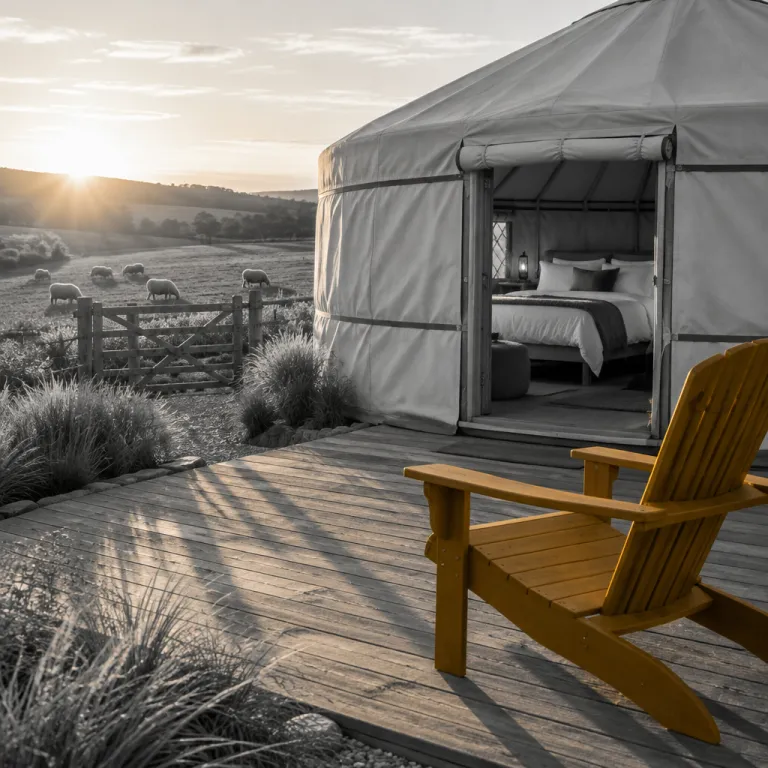
Understanding yurt prices for luxury farm stays
Yurt prices on luxury farm stays reflect far more than a simple nightly rate. For high end agritourism hosts, every yurt cost must balance guest comfort, rural labour, and long term land stewardship. When you compare yurts to cabins or lodges, you quickly see how the structure’s canvas, platform, roof, and interior finishes influence both ambience and costs.
A premium farm stay yurt usually starts with a raised base or yurt platform, which protects the wall fabric from ground moisture and channels rain water away. The cost of this platform and the structural building work around the door frame, roof ring, and wall junctions often rivals the price of a small timber cabin. When you evaluate any advertised price yurt on a booking website, ask whether the true cost includes a solid platform, proper insulation, and a durable door that seals well in snow wind and heavy rain.
Modern yurts for luxury guests rarely rely on basic cotton canvas alone, because hosts need long lasting materials that justify higher yurt prices. Many yurt owners now choose marine canvas or specialist sunforger marine fabrics, which resist mildew and extend the full life span of the roof and wall coverings. That upgraded canvas and the extra insulation layers around the roof, side walls, and base directly affect the cost building a yurt and, in turn, the nightly rate you pay.
From structure to stay: what your yurt cost actually covers
When you browse a luxury farm stay platform, the yurt prices you see usually bundle structural costs with hospitality services. Behind a single yurt cost per night sit years of cost building the platform, sourcing a quality yurt kit, and fitting a safe wood stove or underfloor heating system. Hosts also invest in plumbing so that running water, hot showers, and flushing toilets feel seamless inside what began as a simple canvas shelter.
For many premium hosts, the cost building a yurt starts with the yurt platform and base, then moves to the roof, wall, and windows that define the interior atmosphere. A well designed building yurt project will include insulated roof panels, tightly sealed wall sections, a strong door frame, and double glazed windows so guests can stay in full comfort through snow wind and summer heat. When you see a higher price yurt on a booking site, it often signals that the yurt owners have invested in four season insulation, a reliable wood stove, and quality marine canvas or sunforger marine fabric to protect the structure.
Luxury agritourism operators also factor in the ongoing costs of maintaining each yurt, from cleaning the interior to re treating the canvas and checking the roof seams. These recurring costs, along with staff wages and farm operations, explain why a farm stay yurt will rarely match the cheapest camping rates. To understand what your payment supports on a deeper level, it helps to read analyses of how the price of a farm stay actually pays for labour, land, and the cost of authenticity, which clarifies why thoughtfully built yurts command premium prices.
Market trends: how demand is reshaping yurt prices
Luxury farm stays have moved from niche curiosity to mainstream aspiration, and yurt prices are rising in response. As more travellers seek quiet stays in working landscapes, hosts who build yurt retreats with high quality canvas, strong platforms, and well insulated walls can charge more per night. This demand has encouraged specialist suppliers such as Pacific Yurts to offer a wider range of yurt kit options tailored to premium agritourism properties.
On many high end booking platforms, yurts now sit alongside villas and lodges, which subtly anchors guest expectations about cost. When a farm stay yurt will include a full bathroom, a wood stove, and panoramic windows, guests increasingly accept that the true cost must reflect both building expenses and the value of rural tranquillity. Analysts tracking agritourism growth have even asked whether the sector is expanding too quickly, raising questions about whether yurt owners can maintain quality while meeting surging demand.
For travellers, this market shift means that the average price yurt on a working farm may be higher than a standard countryside guest room, but it often delivers a richer connection to land and food. Hosts who customize yurt interiors with natural materials, generous insulation, and carefully placed windows can justify higher yurt prices while still offering strong value. As more properties experiment with building yurt clusters rather than single units, economies of scale may eventually stabilise costs, but for now the premium segment remains driven by scarcity and craftsmanship.
Design choices that influence the true cost of a luxury yurt
Every design decision, from the base to the roof, shapes both the guest experience and the final yurt cost. A simple build yurt project with a basic platform and single layer canvas will be cheaper, yet it rarely meets the expectations of luxury farm stay guests. By contrast, a fully insulated building yurt with marine canvas, a robust door frame, and double glazed windows can support comfortable full time use in many climates.
Premium hosts often start by specifying the yurt platform, because a stable base protects the wall fabric, keeps water away, and supports heavier interior furnishings. They then choose between standard canvas and upgraded sunforger or sunforger marine fabrics, which resist UV damage and mildew, extending the life of the roof and wall coverings. Adding insulation to the roof, side walls, floor, and sometimes even the door dramatically improves thermal performance, but it also raises both the cost building the structure and the nightly yurt prices.
Inside, the choice of finishes and heating systems further influences the true cost that guests indirectly pay. A wood stove with proper flue installation, fireproof wall shields, and carbon monoxide detectors costs more than a simple electric heater, yet it creates the cosy atmosphere many travellers seek. When you compare different options on a booking website, look closely at photos of the interior, the quality of the door and windows, and the overall build, because these details usually explain why one price yurt is higher than another.
What luxury travellers should check before booking a farm stay yurt
Before you commit to a premium farm stay, it pays to read beyond the headline yurt prices. Start by checking whether the listing explains how the yurt was built, including the platform, base, and insulation in the roof, walls, and floor. Hosts who are transparent about their building yurt process, from the choice of canvas to the design of the door frame and windows, usually deliver a more reliable experience.
Look for clear information about heating, water, and weather performance, especially if you plan to stay in snow wind or heavy rain seasons. A well equipped yurt will mention a wood stove or efficient heater, proper insulation, and details about how the roof, wall, and platform manage moisture and ventilation. If the description notes a reputable supplier such as Pacific Yurts or a high quality yurt kit, that often signals that the true cost of construction was higher, but so is the level of safety and comfort.
Guest reviews can also reveal whether the interior feels warm, whether the door seals properly, and whether the windows and canvas keep out drafts. Pay attention to comments about noise, condensation, and water ingress, because these issues usually trace back to shortcuts in the original build yurt project. For deeper context on why many travellers hesitate to book even when they love the idea of rural stays, you can read analyses of the farm stay booking paradox, which help explain how expectations and pricing sometimes clash.
How booking platforms curate premium yurts and justify higher rates
Luxury and premium booking websites for farm stays now treat yurts as a distinct category, with filters for amenities that directly influence yurt prices. Curated collections often highlight structures with full bathrooms, high grade insulation, and generous interior space, which all stem from higher initial yurt cost and more complex cost building decisions. By foregrounding these features, platforms help guests understand why a particular price yurt sits above simpler glamping tents or cabins.
Behind the scenes, many platforms vet listings to ensure that each yurt will meet safety and comfort standards, from the strength of the yurt platform to the quality of the door and windows. Hosts may be asked to document their building yurt process, specify whether they used marine canvas or sunforger fabrics, and prove that any wood stove installation complies with local regulations. This verification protects guests and supports yurt owners who have invested in durable walls, solid bases, and reliable water and power systems.
Some platforms also encourage hosts to customize yurt interiors with local materials, artisanal textiles, and farm sourced amenities, which subtly raises both perceived value and actual costs. When you see a listing that highlights a bespoke build yurt with panoramic windows, a carefully insulated roof junction, and a handcrafted door frame, you can expect the true cost to be reflected in the nightly rate. For travellers who value authenticity and comfort in equal measure, these curated options offer a clear, trustworthy path into the world of premium farm stay yurts.
Living with yurts full time on working farms
Some farm hosts go beyond occasional guest use and rely on yurts full time as staff housing or family space, which changes how they think about yurt prices. A yurt that will support full time living needs a stronger base, a more substantial yurt platform, and higher grade insulation in the roof, walls, and floor. These upgrades increase the initial yurt cost, but they also prove that the structure can handle snow wind, heavy rain, and daily wear.
Yurt owners who live on site quickly learn the true cost of cutting corners on canvas, windows, or the door frame. Many eventually upgrade to marine canvas or sunforger marine fabrics, add extra insulation, and refine the build yurt details around the roof junctions to prevent leaks and drafts. Their experience feeds back into the premium farm stay market, because hosts who have lived in yurts themselves tend to customize yurt layouts and interior options with long term comfort in mind.
For guests, staying in a yurt on a working farm where the owners also use yurts full time can be reassuring. It signals that the building yurt decisions, from the choice of yurt kit to the installation of the wood stove and water systems, have been tested through real seasons rather than occasional weekends. When you encounter higher yurt prices at such properties, you are often paying for structures and platforms that have already proven their resilience in everyday rural life.
Key figures shaping luxury yurt pricing
- According to indicative figures reported by European agritourism associations and yurt manufacturers, high quality yurts with full bathrooms and insulation can cost between 15 000 and 35 000 euros to build, which strongly influences the nightly yurt prices charged on premium farm stays.
- Data shared in supplier brochures from specialist companies such as Pacific Yurts indicate that adding insulation packages and upgraded marine canvas or sunforger fabrics can increase the initial yurt cost by roughly 20 to 40 percent, while significantly extending the lifespan of the roof and wall coverings.
- Studies of rural accommodation markets in Europe, summarised by regional tourism boards, show that luxury farm stay yurts with private bathrooms and wood stoves often command 25 to 60 percent higher nightly rates than comparable rooms without immersive landscape views.
- Research briefs from agritourism networks suggest that properties which invest in durable yurt platforms and weather resistant wall systems report lower maintenance costs over a ten year period, improving long term return on investment despite higher upfront cost building.
FAQ about yurt prices on luxury farm stays
Why are luxury farm stay yurt prices often higher than rural guest rooms ?
Luxury farm stay yurts usually cost more because hosts must fund both the structure and the hospitality service from each booking. The yurt platform, canvas, insulation, windows, and wood stove represent a substantial initial investment. When combined with farm labour and maintenance, these factors push the nightly yurt cost above that of many standard rural rooms.
What structural details should I check to judge whether a yurt is worth the price ?
Look for information about the base and yurt platform, the type of canvas or marine canvas used, and whether the roof, walls, and floor are insulated. A solid door frame, double glazed windows, and a reputable supplier such as Pacific Yurts also indicate higher build quality. These elements usually explain why one price yurt is higher than another on the same booking website.
Do better materials like sunforger marine fabrics really affect my stay ?
Upgraded materials such as sunforger or sunforger marine fabrics improve weather resistance, reduce condensation, and extend the life of the roof and wall coverings. This means fewer drafts, less damp, and a more stable interior climate for guests. While they raise the initial yurt cost, they often justify slightly higher yurt prices through better comfort and reliability.
How does heating influence the cost and comfort of a luxury yurt ?
Installing a safe wood stove or high quality electric system requires extra building work, fireproofing, and ventilation, which increases the true cost of the yurt. However, effective heating combined with good insulation in the roof, walls, and floor allows comfortable stays in colder seasons. Hosts who invest in these systems can extend their booking calendar and offer better value across the year.
Are yurts suitable for full time living on farms, and does that change pricing ?
Yurts can support full time living when built on a strong base with proper insulation, durable canvas, and reliable water and power systems. Farm hosts who live in yurts themselves often refine their building yurt techniques and then apply those standards to guest units. Their higher construction costs usually translate into premium yurt prices, but guests benefit from structures proven in daily rural use.