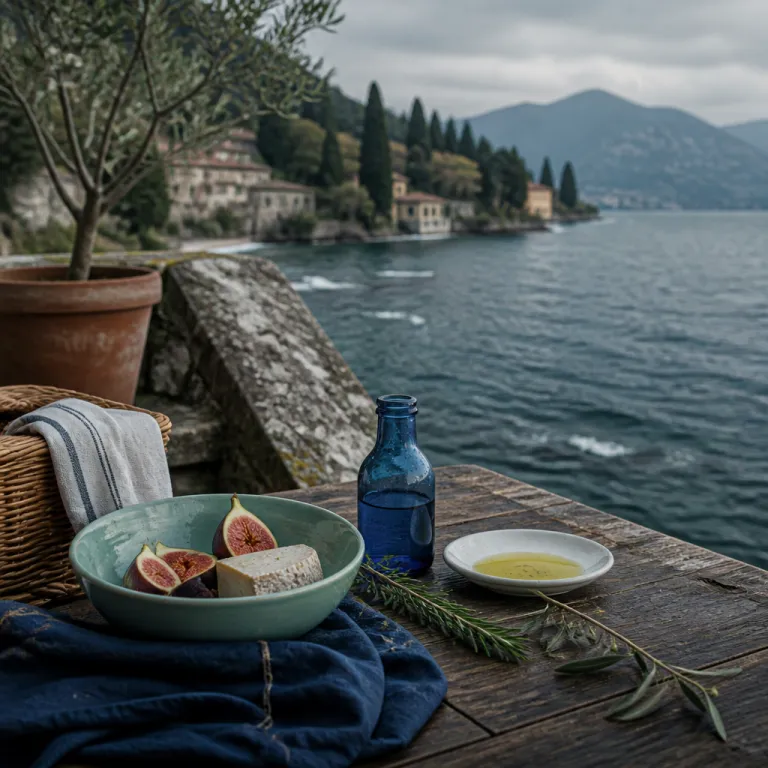
Is Lake Como worth visiting for luxury farm stays near the water ?
Lake Como is worth visiting if you want Italian elegance with authentic rural character. The lake covers about 146 km² and reaches a maximum depth of roughly 410 metres, according to data published by ISPRA (Istituto Superiore per la Protezione e la Ricerca Ambientale, 2021), and this generous scale allows quiet farm stays to sit just beyond the famous shores while still offering fast access to every town and ferry pier. For travellers asking whether Lake Como is worth visiting for a refined yet grounded escape, the answer becomes clear once you combine vineyard lined hills, working farms, and shimmering lake views in a single trip.
Luxury and premium farm stays around Lake Como give you a different way to experience each town on the water. You might sleep in a restored stone villa on a hillside above Como town, then descend by shuttle to the ferry terminal for a day trip across the lake. This balance between peaceful countryside and glamorous lakefront promenades is what makes Lake Como worth visiting for guests who prefer space, privacy, and a sense of place rather than a conventional hotel corridor.
The Lake Como Tourism Board promotes the region as a year round destination, and that matters when you plan a farm based stay. Spring and autumn are often considered the best time to visit Lake Como, because mild temperatures and fewer crowds make it easier to enjoy both farm activities and boat tours. In summer, the lake becomes livelier, so staying in rural villas slightly above the towns lake area lets you retreat from the bustle while still reaching Como city or Bellagio by private boat or scheduled ferry within an hour.
Choosing the right town and farm stay around Lake Como
When deciding if Lake Como is worth visiting, start by matching each town to your travel style. Como city suits guests who want museums such as Tempio Voltiano, easy train links to Milan, and quick access to nearby agriturismi that offer premium rooms and refined farm to table dinners. Smaller towns like Bellagio and Varenna provide postcard beauty, while the surrounding hills hide working farms where a single villa or several villas have been converted into discreet luxury retreats.
Staying in or near Como town works well if you plan frequent day trips by ferry to other towns lake wide. You can spend one day exploring Villa Olmo and the lakeside promenade, then retreat to your farm stay for a quiet evening among olive trees and vineyards. Another day, you might visit Lake Como’s mid lake area, using a boat to reach Bellagio for shopping and then returning to your villa for a private tasting of local cheeses and wines.
For travellers comparing Lake Como with other European destinations, the question “is Lake Como worth visiting” often comes down to how easily you can blend comfort with character. Around Bellagio, Varenna, and the central town lake area, many premium farm stays now rival the comfort of urban properties in Milan or coastal resorts, yet they keep you close to orchards, vegetable gardens, and animal pastures. If you enjoy reading about how high end stays integrate design and nature, guides to superior rooms that blend comfort and style in other regions can help you refine what to look for in a Lake Como villa on a working farm.
Iconic villas, farm life, and the romance of the lake
Part of what makes Lake Como worth visiting is the contrast between grand historic villas and the everyday rhythm of rural life. You can tour Villa del Balbianello, often highlighted in film and travel guides, then return to a hillside farm where your suite occupies a former hayloft with panoramic lake views. This combination of cinematic glamour and grounded simplicity is rare, and it suits couples or families who want both romance and authenticity in a single trip.
On the western shore, Villa Carlotta offers formal gardens that are especially beautiful in spring, when camellias and azaleas bloom while nearby farms begin their planting season. After a morning visit to Villa Carlotta, many guests enjoy a slow afternoon at their farm stay, joining a cheese making workshop or walking through vineyards that slope gently towards the lake. In Varenna, Villa Monastero lines the water with terraced gardens, and several rural properties just above the town provide suites where you wake to both lake and mountain views.
For travellers planning romantic escapes, the question “is Lake Como worth visiting” is often answered by the first sunset seen from a farm terrace. A private boat transfer from Bellagio or Varenna back to your rural villa can turn a simple day trip into a memorable evening, especially when followed by a candlelit dinner featuring local olive oil, lake fish, and vegetables grown on site. One farm host near Bellagio recalls a guest saying, “We came for the famous villas, but it was the quiet breakfast among the olive trees that made us want to stay longer,” a sentiment that captures how Lake Como’s farms now compete with the world’s most atmospheric rural hideaways.
How to move between farm, town, and lake with ease
Transport is central when you evaluate whether Lake Como is worth visiting for a farm based stay. Many premium agriturismi sit a few kilometres above the shore, so you should confirm shuttle services to the nearest ferry pier or arrange private boat transfers in advance. This planning ensures that you can enjoy rural calm without sacrificing access to Como city, Bellagio, Varenna, or smaller towns lake wide.
From Milan, frequent trains reach Como town in about an hour, making a Lake Como day trip feasible even if you sleep on a nearby farm. Once in Como city, you can board a ferry or hydrofoil to reach mid lake towns, then continue by taxi or pre arranged transfer to your villa on a working estate. Some luxury farm stays also coordinate boat tours that collect guests directly from a small jetty, turning the journey itself into part of the experience.
Within Como town, the waterfront promenade leads towards Tempio Voltiano, and from there you can appreciate how the lake curves towards quieter inlets where rural properties nestle among forests. The Lake Como Tourism Board encourages visitors to use public transport and eco friendly options, and many farm hosts now provide e bikes so you can ride from town lake level up to your accommodation. If you are curious about how technology enhances rural hospitality, case studies on smart farms that turn data dashboards into guest experiences illustrate why Como worth a visit extends beyond scenery into innovation.
Seasonality, activities, and the best time to visit Lake Como farms
Lake Como is worth visiting in every season, but the experience changes dramatically through the year. Spring and autumn usually offer the best balance of pleasant temperatures, open hiking trails, and manageable crowds in each town. According to local guidance from the Lake Como Tourism Board, “Spring and autumn offer mild weather and fewer crowds.”
During spring, gardens at Villa Carlotta and Villa Monastero reach their peak, while farms around the lake begin planting and hosting outdoor tastings. Summer brings warmer water and longer days, ideal for boat tours, swimming, and extended evenings in Bellagio or Varenna before returning to your villa in the hills. In winter, snow capped peaks frame the lake, and a farm stay near Como town or the San Fedele area can feel especially serene, with fireplaces, hearty local dishes, and quiet walks through chestnut forests.
When you ask “is Lake Como worth visiting” for active travellers, the answer is tied to how you use your time. Many farms organise guided hikes above the towns lake area, e bike routes between villages, and even truffle hunts or harvest activities in autumn. On rest days, you can simply visit Lake Como’s cultural sites such as Tempio Voltiano or Villa Olmo, then return to your rural suite for spa treatments that use herbs and oils produced directly on the property.
Food, culture, and what makes Como worth the journey
Culinary experiences are a major reason why Lake Como is worth visiting, especially when you stay on a working farm. Many agriturismi serve menus built around their own produce, pairing lake fish with vegetables, fruit, and olive oil grown metres from your villa. This farm to table approach turns every meal into a direct connection between the land, the lake, and your plate.
In Como city, you can spend a day exploring markets, tasting local cheeses, and visiting Tempio Voltiano before returning to your rural base. The San Fedele area, known for its traditional square and weekly market, offers another window into local life that contrasts with the polished waterfronts of Bellagio or Varenna. By staying in villas on nearby farms, you can attend village festivals, then retreat to quiet terraces where the only sounds are bells from hillside towns and gentle waves from the distant lake.
Culture at Lake Como is not limited to grand villas such as Villa del Balbianello or Villa Olmo, even though these landmarks remain essential visits. Many farms now host small concerts, cooking classes, and art workshops that highlight regional traditions, giving depth to the question “is Lake Como worth visiting” for culturally curious travellers. When you combine these intimate experiences with classic boat tours and leisurely ferry rides between each town lake, the region’s value becomes unmistakable.
Planning a luxury farm stay: practical tips for your Lake Como trip
Thoughtful planning will help you decide not only whether Lake Como is worth visiting, but how to make the most of your stay. Book your farm accommodation well in advance, especially if you want a villa with direct lake views or a suite suitable for families. Many properties have only a handful of villas or rooms, so availability can be tight during peak periods.
Consider structuring your trip around two or three bases, such as a farm above Como town, another near Bellagio, and perhaps a final stay close to Varenna or the San Fedele area. This approach lets you experience different towns lake wide without long daily transfers, while still enjoying the continuity of rural life and high end service. For a short itinerary, you might spend two nights near Como city for museums and markets, then two nights above Bellagio for boat trips and farm dinners, adjusting the balance according to your interests.
Finally, think carefully about how you will move between farm, town, and lake each day. Confirm whether your host can arrange private boat transfers, reserve ferry tickets during busy periods, and organise drivers for late evening returns from Como city or Bellagio. With these details in place, the question “is Lake Como worth visiting” for a luxury farm stay no longer feels theoretical ; it becomes a practical invitation to experience Italy’s most storied lake in a more intimate, grounded way.
Key figures that show why Lake Como is worth visiting
- Lake Como covers about 146 km², giving enough space for both lively waterfront towns and secluded farm stays in the surrounding hills, according to data referenced by ISPRA and regional environmental reports updated in 2021.
- The lake reaches depths of around 410 metres, as noted by Italian limnological studies and provincial monitoring programmes, which contributes to its dramatic scenery and helps moderate the local climate, making shoulder seasons particularly pleasant for rural stays.
- Approximately 1 500 000 visitors arrive in the Lake Como area each year, based on figures cited by the Lake Como Tourism Board and provincial statistics for the early 2020s, a scale that supports high quality services while still allowing quieter experiences in lesser known villages and farms.
- The region promotes year round tourism, with spring, summer, autumn, and winter each offering distinct activities from garden visits and boat tours to harvest festivals and snow framed lake views.
Frequently asked questions about Lake Como and luxury farm stays
Is Lake Como suitable for a family holiday on a farm ?
Lake Como is suitable for family vacations, and many agriturismi offer spacious villas or apartments with kitchens, gardens, and safe outdoor areas for children. The combination of farm animals, gentle walks, and easy ferry access to towns like Bellagio and Varenna keeps both adults and younger travellers engaged. Several properties also arrange family friendly activities such as cooking classes, short boat tours, and guided visits to nearby cultural sites.
What is the best time to visit Lake Como for a farm stay ?
Spring and autumn are often the best times to visit Lake Como for a farm based holiday, because temperatures are mild and crowds are lighter than in peak summer. Gardens at Villa Carlotta and Villa Monastero look particularly beautiful in spring, while autumn brings colourful foliage and harvest events in rural areas. Summer remains attractive for swimming and long evenings, but booking a farm stay slightly above the lake helps you avoid the busiest waterfront zones.
Are there famous villas near rural accommodations around Lake Como ?
Several of Lake Como’s most famous villas sit within easy reach of rural properties, including Villa del Balbianello on a wooded promontory and Villa Carlotta with its extensive gardens. Around Varenna, Villa Monastero stretches along the shore, while near Como city you can visit Villa Olmo and its lakeside park. Many farm hosts help guests plan day trips that combine these villas with relaxed meals and tastings back at the estate.
Can I visit Lake Como as a day trip from Milan while staying on a farm ?
It is possible to organise a Lake Como day trip from Milan, especially if your farm stay is located near Como town or another station on the main rail line. Trains from Milan reach Como city in about an hour, and from there ferries connect to Bellagio, Varenna, and other towns lake wide. For a more relaxed pace, many travellers choose at least two or three nights on a farm so they can enjoy both the lake and the countryside without rushing.
Is Lake Como suitable for eco conscious travellers choosing farm stays ?
Lake Como has seen a rise in eco tourism, and many agriturismi now focus on sustainable practices such as organic farming, renewable energy, and reduced waste. The Lake Como Tourism Board supports eco friendly initiatives, and some properties integrate precision agriculture tools to manage water and soil responsibly. For eco conscious guests, this makes Lake Como worth visiting not only for its scenery but also for its commitment to responsible, future focused hospitality.