Why conventional hotel construction feels wrong on working farms
Walk onto a working farm and you feel the land speaking softly. A conventional hotel building in this context often shouts instead, its generic construction and imported materials ignoring the slow grammar of fields and barns. Guests read that dissonance immediately, sensing when new buildings feel imposed rather than grown from the earth.
Standard concrete frames, curtain wall façades, and glossy finishes rarely align with farm hotel architecture using natural building materials that age with dignity. These buildings may meet structural codes, yet their building materials often lack the patina and thermal insulation qualities that traditional farmhouses achieve with raw earth, timber, and stone. The result is a construction profile that performs technically but fails emotionally, especially for couples seeking a romantic house or suite that feels rooted in agricultural life.
Scale compounds the problem when multi storey blocks dominate low hedgerows and single storey stables. On many farms the historic buildings are modest in height, with load bearing walls in stone or clay based materials that sit low and long in the landscape. Drop a five storey slab with standard portland cement finishes into that setting and the visual carbon cost feels as high as the actual low carbon performance is poor.
Lighting design often misses the mark too, flooding yards with glare that erases the dark sky character essential to rural nights. Guests who came for stars and owls instead get car park brightness, and the eco narrative rings hollow. True sustainable construction on farms starts with respecting darkness, using warm low level fittings that support both nocturnal wildlife and human circadian rhythms.
Landscaping choices can either stitch new farm hotels into the existing field pattern or sever them from it. Over manicured lawns and ornamental shrubs rarely match the rough beauty of orchards, vegetable plots, and grazing paddocks. The best architectural design strategies treat the working farm as the center of the experience, not as scenic wallpaper behind a generic resort project.
The material palette that lets new farm hotels belong
When you walk into Son Blanc Farmhouse in Menorca, the walls feel cool and quiet. That sensation comes from lime plaster and thick masonry, a combination of natural materials that delivers excellent thermal comfort without aggressive mechanical heating cooling systems. This is farm hotel architecture using natural building materials not as a nostalgic gesture, but as high performance sustainable construction.
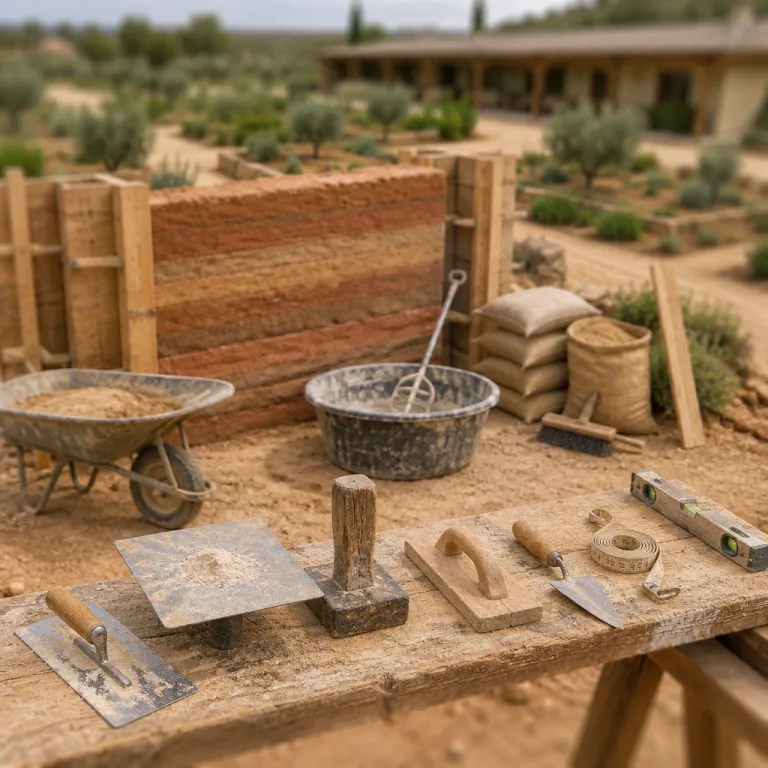
Across the best new farm hotels, a consistent palette appears : rammed earth, lime plaster, local stone, reclaimed timber, and sometimes straw bale infill. Rammed raw earth walls, often mixed with earth sand and small aggregates, create buildings with serious thermal insulation and low carbon footprints compared with conventional portland cement heavy construction. When paired with timber roofs and wood based finishes, these buildings breathe, regulate humidity, and age gracefully, which guests instinctively read as authenticity.
Clay based materials such as cob or adobe bring similar benefits in drier climates, especially when combined with shaded courtyards and deep verandas. For a deeper dive into how adobe walls and open courtyards manage heat in arid farm stays, the guide on thermal comfort in arid climate farm stays is essential reading. These earth buildings use bio based and recycled materials where possible, turning agricultural by products like straw into serious building material rather than waste.
Natural building on farms is not anti technology ; it is technology remembered. A project manager working on a low carbon farm hotel will often specify hybrid systems, combining natural building materials with discreet modern services for heating cooling and ventilation. The key is to keep the architectural design legible, so guests can see how the building material choices relate to the surrounding fields, forests, and stone walls.
Even where portland cement is unavoidable for structural or regulatory reasons, its visual presence can be softened. Lime based renders, timber cladding, and stone plinths can wrap a concrete frame so that what guests see and touch remains environmentally friendly and grounded in local craft. In the best cases, the construction project becomes a quiet lesson in design natural thinking, where every material tells a story about the land beneath your feet.
How scale and layout shape the farm stay experience
On a working farm, height is political. Traditional agricultural buildings rarely exceed two storeys, and most guest friendly conversions keep to a single storey profile that sits below tree lines and ridge lines. Farm hotel architecture using natural building materials tends to follow this logic, favouring long low buildings over vertical statements.
Couples booking a romantic stay often respond more strongly to a cluster of small houses than to one dominant block. Scattered layouts allow each house or suite to frame a different slice of landscape, whether that is a vineyard row, an olive grove, or a paddock where the morning milking happens. This dispersed construction pattern also makes it easier to use natural materials such as timber, clay, and raw earth, because each building can be tailored to its microclimate and orientation.
Villa Lena in Tuscany offers a useful case study, with its existing farm buildings adapted for guest use and new structures kept modest in scale. The project manager there worked with architects to ensure that every new building material choice, from wood based window frames to lime washed walls, echoed the agricultural past of the estate. For guests, the result feels like a village that has grown slowly rather than a single project dropped onto a hilltop.
Modern glass cabins on farms show another path when handled with restraint. When these cabins sit low, use timber and other eco based materials, and tuck into existing tree lines, they can feel like observatories for watching the farm at work. The article on glass cabin escapes on working farms explores how transparent buildings can still respect rural soul when their construction is carefully calibrated.
Scale also affects environmental performance, especially around heating cooling loads and thermal insulation strategies. Smaller buildings with thick natural materials such as straw bale, earth sand mixes, and timber framing can achieve excellent thermal stability with minimal mechanical intervention. For couples, that translates into quieter nights, fewer humming units, and a more intimate sense of being held by the house rather than by technology.
Light, darkness, and the quiet technology of comfort
Rural nights are part of the luxury you are paying for. On a well designed farm hotel, the way buildings handle light and darkness can matter as much as thread count or wine lists. Farm hotel architecture using natural building materials often has an advantage here, because thick walls and deep reveals naturally temper both daylight and artificial light.
During the day, small carefully placed openings in raw earth or stone walls create a soft interior glow. These buildings use the mass of earth based materials and timber shutters to manage solar gain, reducing the need for aggressive heating cooling systems. Guests feel the difference as a stable, cocoon like interior climate that stays cool at midday and gently warm after sunset, an excellent thermal performance achieved through design natural rather than gadgets.
At night, exterior lighting should respect the dark sky character of agricultural land. Low bollards, shielded wall lights, and warm colour temperatures allow you to walk safely between buildings without bleaching the stars or confusing livestock. When project managers specify environmentally friendly fittings and control systems, they support both biodiversity and the eco narrative that many couples now expect from sustainable construction.
Inside, natural materials help light behave more softly. Lime plaster, clay based paints, and wood ceilings diffuse illumination, avoiding the harsh reflections you often see on glossy portland cement or plastic surfaces. This is where architectural design and building material choices intersect directly with guest psychology, because people read warm, textured surfaces as more intimate and calming.
Thermal insulation strategies also shape comfort in ways you may not immediately notice. Walls made from straw bale, bio based panels, or recycled materials often deliver superior acoustic insulation as well as low carbon performance, muting tractor noise without erasing the gentle sounds of animals. For couples seeking a quiet retreat, that balance between silence and farm life is part of the real luxury.
Case studies : when new farm hotels feel timeless
Some of the most convincing new farm hotels share a simple ambition. They want guests to arrive, look around, and assume the buildings have always been there. Farm hotel architecture using natural building materials is central to that illusion, but so is a disciplined approach to scale, layout, and landscape.
Son Blanc Farmhouse in Menorca offers a clear example, with guest rooms tucked into existing stone buildings and new structures rendered in lime plaster that matches the local earth. The project uses timber beams, clay tiles, and other wood based materials to echo traditional construction while quietly integrating modern services. Medicinal gardens and dry stone walls act as the center of the composition, so the architecture reads as an extension of the agricultural project rather than a separate resort.
In Tuscany, Villa Lena shows how art, agriculture, and hospitality can share the same house without visual conflict. Existing farm buildings were adapted using natural materials and recycled materials where possible, while new pavilions keep to a low profile and use building materials that mirror the original stone and timber palette. Guests move between studios, vineyards, and woodland trails without ever feeling that one construction phase jars against another.
Looking ahead to the Virgin Limited Edition project near Marrakech, the plan is to embed guest spaces within a 40 hectare organic farm. Traditional Moroccan architectural design elements such as courtyards, a hammam, and shaded arcades will likely rely on clay based plasters, timber screens, and stone floors. If the project manager leans into natural building techniques and low carbon strategies, this could become a benchmark for how luxury and sustainable construction coexist on working farms.
For travellers interested in how architecture, food, and farming intersect, properties that treat the dining room as an extension of the fields are especially compelling. The guide to authentic regional gastronomy in Austrian farm hotels highlights how buildings, kitchens, and pastures can form one coherent story. When the house you sleep in, the barn you tour, and the restaurant where you eat all share the same building material language, the experience feels quietly complete.
The cost and carbon questions behind natural farm construction
Couples browsing luxury farm stays often wonder what sits behind the nightly rate. Part of the answer lies in the construction choices that make these buildings feel timeless, especially when farm hotel architecture uses natural building materials instead of standard industrial systems. Upfront costs can be higher in some cases, but long term operating savings and guest satisfaction often justify the investment.
Natural materials such as rammed earth, straw bale, and timber framing can reduce heating cooling loads thanks to their excellent thermal mass and insulation properties. While labour for these techniques may be more intensive, especially where skilled craftspeople are involved, the resulting buildings often require less mechanical equipment and fewer finishes. Over time, that can lower maintenance costs and support a genuinely low carbon operational profile rather than a marketing claim.
Bio based and recycled materials also play a growing role in sustainable construction on farms. Panels made from agricultural by products, reclaimed wood, and earth sand composites can replace more carbon heavy building materials without sacrificing performance. When a project manager evaluates options, they now routinely compare not only the direct cost of each building material but also its embodied carbon and end of life recyclability.
Portland cement remains difficult to avoid entirely, especially for foundations and structural elements in regulated markets. The most forward thinking projects minimise its use, combining it with raw earth, lime, and other based materials to reduce overall environmental impact. Guests may not see these calculations, but they feel the result in buildings that stay comfortable naturally, smell of wood and clay rather than chemicals, and sit lightly in the landscape.
For travellers choosing between properties, asking how a farm stay was built is no longer a niche question. It is a way to read the integrity of the project, from the eco narrative on the website to the actual materials under your bare feet. When the answers include natural building, environmentally friendly strategies, and a clear low carbon roadmap, you are more likely to find a house that feels as if it has always belonged to that particular piece of earth.
Key figures on natural materials in farm hotel construction
- A study by the World Green Building Council reported that buildings using high levels of natural materials and bio based insulation can reduce operational energy use by up to 30 percent compared with conventional construction, which directly supports lower heating cooling costs for rural hotels.
- Research from the International Energy Agency indicates that the building sector accounts for nearly 40 percent of global energy related carbon emissions, so shifting farm hotel projects toward low carbon and recycled materials has a measurable climate impact.
- Life cycle assessments published by various European research institutes show that rammed earth walls can have embodied carbon values up to 70 percent lower than equivalent portland cement concrete walls, while still providing excellent thermal mass for guest comfort.
- Case studies from sustainable construction councils suggest that using timber and other wood based structural systems can cut construction time by 10 to 15 percent on average, which helps offset higher labour costs associated with craft based natural building techniques.
- Surveys of eco conscious travellers in North America and Europe consistently find that more than half of respondents are willing to pay a premium for environmentally friendly accommodation, especially when they can clearly read the use of natural materials and thoughtful architectural design on site.
FAQ about natural materials and architecture in farm hotels
How does rammed earth improve comfort in farm hotels ?
Rammed earth walls provide high thermal mass, which means they absorb heat during the day and release it slowly at night. This moderates indoor temperatures, reducing the need for mechanical heating cooling systems and creating a more stable, comfortable climate. Guests experience fewer temperature swings and a quieter room, because thick earth walls also offer strong acoustic insulation.
Are farm hotels built with natural materials more expensive to stay in ?
Nightly rates at farm hotels using natural materials can be higher, mainly because construction often involves skilled labour and craft based techniques. However, long term operating costs may be lower thanks to better thermal insulation and reduced energy use, which can help stabilise prices over time. Many travellers consider the added character, environmental benefits, and comfort worth the premium.
What should I look for if I want a genuinely sustainable farm stay ?
Focus on how the buildings are made, not just on eco labels. Ask whether the project uses natural building materials such as timber, raw earth, straw, and recycled materials, and whether the design reduces reliance on air conditioning through passive strategies. Properties that explain their construction choices clearly and show how buildings relate to the working farm usually offer more authentic sustainable construction.
Can modern design work with traditional farm materials ?
Modern architectural design can pair beautifully with traditional farm materials when handled with restraint. Clean lines, generous glazing, and contemporary layouts can sit comfortably on a base of stone, timber, and clay, especially when scale remains modest and the buildings follow existing field patterns. The key is to let natural materials and the surrounding earth remain the visual center, rather than overwhelming them with aggressive forms.
Do natural materials require more maintenance in rural hotels ?
Some natural materials, such as untreated wood or lime plaster, do require periodic care, but that maintenance is often simple and low tech. Regular lime washing, timber oiling, and inspection of straw or earth elements can keep buildings performing well for decades. Many farm hotels integrate this work into their annual rhythms, treating the house like another living part of the agricultural project.