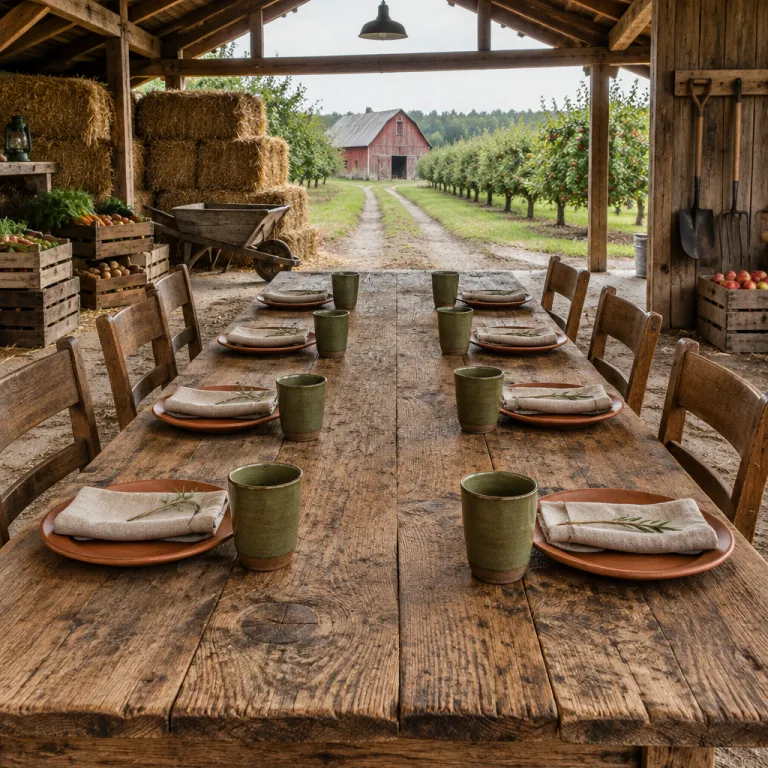
Why group farm stays feel different from group hotels
Booking a countryside farm stay for eight friends changes the entire rhythm of a trip. A working farm stay is not a resort; the animals, fields and farmers set the pace long before any booking confirmation lands in your inbox. When you plan a shared rural escape with friends, you are stepping into someone’s livelihood, not just renting a neutral space.
On a hotel search page, you filter by bedrooms, pool and breakfast, then book without thinking about milking schedules or tractor routes. On a farm, the same eight guests might share a single farmhouse property with the owners living next door, and the common areas double as real working zones. That is why many premium farm stays now explain clearly whether they operate as whole properties or as shared farmstays with several groups on site.
For a large group of friends, the first decision is simple but crucial. Do you want a whole property for a private family gathering style trip, or are you comfortable with other guests crossing the courtyard and sharing the amenities? When a group countryside stay goes wrong, it is usually because this distinction between exclusive and shared stays was not clear at the time of the book stay process.
Whole property rental versus shared farmhouse stays
Whole properties suit groups who want a stay perfect for late night conversations, music and long farm table dinners. In this model, you usually rent a multi bedroom farmhouse or cluster of cottages, and the farm family keeps a separate wing or another house on the land. A private group booking like this feels closer to a luxury villa, but with sheep, orchards or vineyards as your neighbours.
Shared farm stays work differently, especially in Europe where agriturismi and rural guesthouses often sell individual bedrooms. Here, your stay might include breakfast at a long farm table with other guests, and the common areas are genuinely communal. For some properties, this is the best farm format because it keeps the social energy high while still allowing the owners to manage the property as a real agricultural business.
Before you confirm any booking, read the terms conditions carefully and ask direct questions about noise, shared amenities and quiet hours. A stay perfect for a couple can feel restrictive for a large group of friends if the host expects lights out by ten and no wine on the terrace. When you treat the group reservation process with the same seriousness as signing a holiday rental contract, you protect both your trip and the host’s working life.
Bedrooms, bathrooms and the reality of shared space
On a farm, the floor plan matters more than the décor. Eight adults sharing three bedrooms and two bathrooms in a historic mill conversion will have a very different experience from eight friends spread across a multi bedroom farmhouse with ensuite rooms. When planning a countryside house share with friends, map out who sleeps where before you press pay.
Luxury farmstays often sit in heritage buildings, which mean thick stone walls, narrow staircases and quirky room layouts. That charm can hide practical compromises, like one bathroom tucked off the main corridor or a beautiful attic stay with low beams that only suits shorter guests. Ask the property for a floor plan or detailed room list, and check whether any bedrooms are walk through spaces that might disrupt privacy.
For a getaway family style group of friends with children, look for a multi bedroom wing that keeps kids close to parents. Some properties offer family suites within the main farmhouse, while others spread bedrooms across separate cottages around the farm courtyard. When a rural holiday includes toddlers or teens, proximity to the swimming pool, stairs and common areas becomes as important as thread count.
Noise, schedules and the early morning rooster
Hotels are built for insulation; working farms are built for airflow and practicality. You might hear milking equipment start before dawn, tractors pass the window or the rooster test his voice just as the light changes. For a group of friends, this early soundtrack can either be charming or catastrophic, depending on expectations.
Ask the host where the noisiest parts of the property are located, and which bedrooms suit light sleepers. Some properties place guests in converted barns away from the main yard, while others keep everyone in the original farmhouse above the stables. If your large group includes night owls, request rooms furthest from the milking shed and check whether late arrivals through the courtyard will disturb the farm family.
Noise flows both ways on a farm stay. Your laughter over a late farm table dinner, music by the pool or footsteps in the common areas will travel through old stone and timber. One Italian host summed it up simply: “We love groups, but the walls are older than my grandmother.” Agree internal quiet hours and choose a stay where the terms conditions around noise match your group’s habits.
Meal logistics: from farm table feasts to self catering
Food is where a farm stay can eclipse any city hotel for a large group of friends. The best farm hosts move effortlessly from tending vines to plating a seasonal dinner at the farm table, but not every property can serve eight at once. When planning a shared rural holiday, you need to understand exactly how meals work.
Some premium farmstays operate almost like intimate restaurants, offering set menus on specific nights with produce from the farm and neighbouring growers. Others provide breakfast only, leaving guests to self cater in a shared kitchen or outdoor cooking area. Always check whether the properties offer half board, full board or à la carte meals, and whether there is an additional charge for private dinners.
For a getaway family style group, the most relaxed rhythm often mixes hosted meals and self catering. You might book stay packages that include two farm table dinners, then use the common areas kitchen to prepare simple lunches with food from the on site shop. When you treat the planning phase as a menu consultation, you avoid the classic tension between those who want every meal cooked and those who prefer to graze.
Dietary needs, timing and shared fridges
Dietary preferences have become more complex, and rural kitchens vary in how flexibly they respond. Before confirming any booking, send a clear list of allergies, vegetarian or vegan requirements and children’s needs, then ask what the farm can realistically provide. A stay perfect for omnivores may feel limited for a plant based friend if the property cannot adapt the set menu.
Timing matters as much as ingredients. Working farms often serve dinner early so the family can rest before dawn chores, which may clash with a group used to late city suppers. When organising a countryside escape with friends, agree meal times in advance and clarify whether you can use the kitchen outside those windows.
Shared fridges and pantries can become flashpoints for large group dynamics. Label shelves, agree who buys what and decide whether you will split food costs evenly or track individual spending. Clear rules around the kitchen and farm table keep the common areas harmonious and protect the host’s amenities from late night chaos.
Pools, outdoor activities and space for different energy levels
In any group of eight, someone wants to hike at sunrise while someone else wants to sleep by the pool. A well chosen farm stay can hold both energies, but only if you match the property to your friends’ real habits. When planning a countryside escape, look beyond the headline photos and read the activity list with care.
Many premium farmstays now include swimming options, from a simple swimming pool to a heated private pool with countryside views. Some properties offer elegant countryside cabins with private jacuzzis, which you can explore through curated guides to elegant countryside cabins with private jacuzzis for your next farm stay escape. Always check whether the pools include swimming lanes for exercise or are more suited to relaxed lounging.
Outdoor activities on a working farm might include horse riding, vineyard walks, cheese making, truffle hunting or simple time in the orchards. For a getaway family style group, the perfect place balances structured experiences with unprogrammed space where children can roam safely. When you treat the planning process as a way to map energy levels, you avoid dragging the book lover to goat milking or forcing the hiker to spend every afternoon by the private pool.
Designing a flexible activity plan
Start by listing everyone’s non negotiables. One friend might care only about the swimming pool, another about access to a nearby mill trail or cycling route, and a third about long lunches at the farm table. Then choose a farm stay where the amenities and outdoor activities can stretch to hold all of that.
Some properties charge an additional fee for activities, while others bundle them into the nightly rate. Clarify which outdoor activities are included and which incur an additional charge, especially for horse riding, guided tastings or private tours. When you plan a shared farm holiday with friends, this transparency helps you split costs fairly between those who join every workshop and those who simply read by the pool.
Remember that a working farm has its own schedule. If harvest or lambing is underway, some activities may be paused or reshaped, even at the best farm properties. A stay perfect for one season may look different in another, so always check the calendar with the host before you book stay for your large group.
Money, fairness and the host relationship
Group trips fall apart over money more often than over mattresses. A farm stay complicates the usual split because the price may include meals, tastings or activities that not everyone uses. When you organise a countryside retreat with friends, you need a clear cost sharing plan before anyone transfers a deposit.
Start by separating fixed costs from optional extras. The base booking price for the property, including bedrooms, amenities and any standard meals, should usually be divided evenly among all guests. Extras like private tastings, horse rides or spa sessions can then be paid only by those who participate, especially when there is an obvious additional charge per person.
Transparency protects both friendships and the host relationship. Share the full quote, including taxes and any terms conditions around cancellations or damage deposits, then agree how you will handle breakages or extra cleaning. When a group trip goes smoothly, it is often because one person took on the role of treasurer and communicator with the farm family.
How a group of eight changes the host dynamic
A solo traveller or couple can slip quietly into the background of a working farmhouse. Eight adults arriving in two cars, with coolers and cases of wine, change the atmosphere instantly. For the host, a big group reservation feels less like welcoming houseguests and more like managing a small event.
Respect that shift by treating the host as a professional partner. Ask when and how they prefer to communicate, whether by messaging app, email or a quick properties check on arrival. Clarify house rules around common areas, private zones, pool hours and use of the kitchen, then share those rules with your large group before you reach the property.
Many of the best farm hosts appreciate guests who show interest in the work behind the beautiful setting. A short farm tour at the start of your stay can explain why gates must stay closed, where children can roam and which paths are off limits during harvest. One repeat guest described it simply: “Once we understood the rhythm of the farm, it felt like we were fitting into their world, not the other way around.” When your trip honours those boundaries, you are more likely to be invited back.
Choosing the right farm stay for your group of eight
Not every rural property suits every group. Some farm stays are built for quiet couples, others for a getaway family, and a smaller number are genuinely designed for a large group of friends. The art of a successful countryside house share lies in matching your people to the right place.
Start with non negotiables. Do you need a private pool or is a shared swimming pool enough, as long as the water is warm and the loungers comfortable? Are you seeking a perfect place for long farm table dinners, or is proximity to a wine village more important than on site food? These questions narrow the field faster than any filter on a booking engine.
For inspiration, look at curated collections of farmstays that specialise in stargazing, such as guides to farm stays built for stargazing. Then explore regional deep dives, like features on Icelandic farm holidays for luxury travellers seeking authentic countryside stays, to understand how climate and landscape shape the experience. When you treat the search as research rather than a last minute scroll, you are more likely to land on a stay perfect for your circle.
Final checks before you book
Before you confirm, run a simple checklist. Does the property have enough real bedrooms for your guests, or are some people on sofa beds in common areas? Are the amenities like the pool, kitchen and laundry genuinely available to your large group, or shared with other stays on the farm?
- Ask for a basic floor plan: for example, “Ground floor: kitchen, living room, 1 twin room, 1 bathroom. First floor: 3 double rooms, 2 bathrooms.”
- Confirm whether any bedrooms are walk through spaces or open mezzanines.
- Check if the private pool or swimming pool is fenced and suitable for children.
Next, read the terms conditions line by line. Look for clauses about events, noise, extra visitors and any additional charge for cleaning, heating the private pool or using certain amenities. A careful properties check at this stage can save awkward conversations later.
- Cancellation: deadlines, percentage refunds and non refundable deposits.
- Security deposit: amount, how it is held and when it is returned.
- Extra fees: late check in, extra guests, pets, firewood or heating.
Finally, send one concise message summarising your plans, from arrival time to likely use of the farm table and outdoor activities. When a host sees that your trip is organised and respectful, they are more inclined to go the extra mile, whether that means a welcome basket of food or a quiet tip about the best corner of the farm for sunset.
Key figures on group farm stays and rural travel
- According to the United Nations World Tourism Organization’s 2020 briefing on tourism and rural development, several European regions reported rural tourism growth outpacing urban destinations, with some areas seeing countryside stays increase by more than 10 percent while major cities stagnated or declined.
- Research from the European Network for Rural Development on agritourism diversification indicates that farm based accommodation and related services can raise on farm income by roughly 20–30 percent, helping small farms remain viable while welcoming guests.
- Surveys by national tourism boards in countries such as Italy and France show that families and groups now represent a significant share of farm stay bookings, with some regions reporting that multi bedroom rural properties account for around one third of new countryside reservations.
- Data from several online travel agencies suggests that multi bedroom rural properties with a swimming pool or private pool command higher occupancy rates, especially during school holidays when getaway family trips peak and groups look for shared outdoor space.
- Industry reports on sustainable travel trends highlight that travellers who choose farmstays are more likely to spend on local food and outdoor activities, with some studies estimating that each rural stay generates higher per trip spending in surrounding communities than a comparable city break.
Frequently asked questions about booking a farm stay for eight friends
How many bedrooms do we really need for eight adults on a farm stay?
For eight adults, aim for at least four true bedrooms, ideally in a multi bedroom farmhouse or similar property, so couples and solo travellers have privacy. Avoid relying on sofa beds in common areas, which can strain group dynamics over several stays. Always ask the host for a detailed room breakdown before you finalise your booking.
Is a private pool essential for a group farm stay booking with friends?
A private pool is not essential, but it can make a shared countryside holiday with friends feel more relaxed, especially if your large group keeps different hours. A shared swimming pool works well when the property limits overall guest numbers and the amenities include enough loungers and shade. Decide based on how much time you expect to spend by the water versus on outdoor activities.
How should we split costs when some friends skip paid farm activities?
Most groups divide the base stay cost evenly, including the property, standard meals and core amenities, then let individuals pay for optional extras. If a farm stay charges an additional fee per person for tastings or workshops, only those who participate should cover that additional charge. Clear agreements before you book stay prevent tension once you arrive.
What should we ask the host before confirming a group farm stay booking?
Ask about noise expectations, use of common areas, access to the kitchen, pool hours and any terms conditions specific to large group bookings. Request details on bedrooms, bathrooms, amenities and whether the properties offer meals or only self catering. A short call or detailed email before your countryside booking is confirmed can clarify all of this.
Are farm stays suitable for a mixed group of adults and children?
Many farm stays are ideal for a getaway family style group, offering safe outdoor space, animals and gentle outdoor activities. Look for a property where the layout keeps children close to adults, with secure access to the pool and clear rules around the working farm. When chosen carefully, a shared rural trip with children can feel like a relaxed family gathering in a beautiful rural setting.