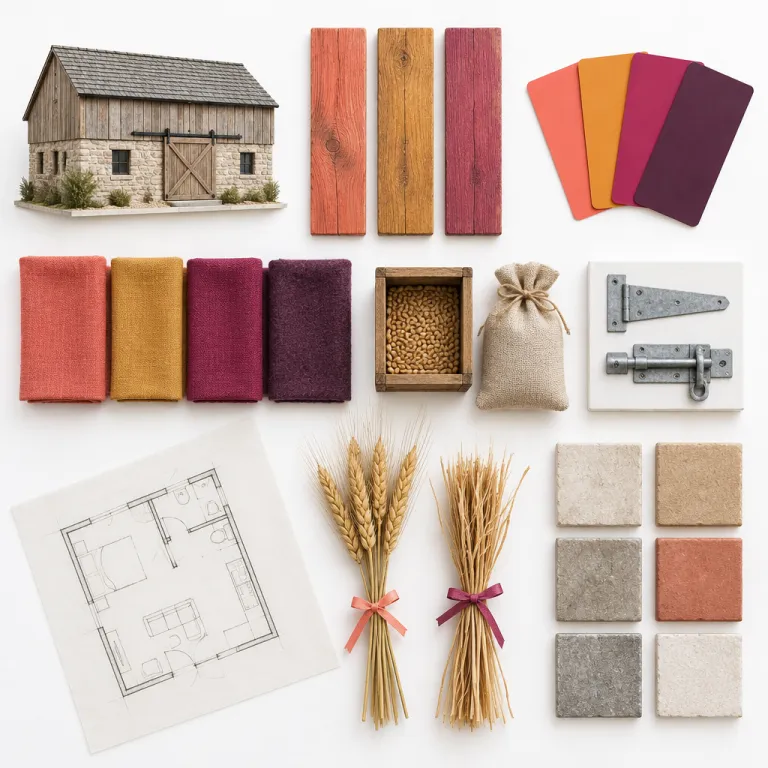
Why barn conversion farm accommodation feels different from any hotel
Step into a well considered barn conversion farm accommodation and you feel the building before you notice the décor. Ceiling heights come from hay storage, window positions from livestock ventilation, and the thick stone walls were laid long before insulation was a concept. That is why converted barns in genuine countryside settings deliver a stay that chain properties, however polished, struggle to match.
Across the United Kingdom, a quiet adaptive reuse movement is reshaping the rural country landscape, with barns and grain stores becoming places to sleep rather than to store feed. DEFRA’s Farm Business Survey 2022–23 reports that around two thirds of farms in England now undertake some form of diversification, and a significant share of that diversification involves holiday lets and barn conversions that welcome guests. For couples planning a holiday in the countryside, this means a growing choice of unique stays where the accommodation is the story, not a neutral backdrop.
Specialist actors sit behind many of these projects, and their expertise matters when you book a luxury barn. Regional builders with conservation experience focus on barn conversions and general farm building projects, while chartered practices such as RRA Architects in the UK publish case studies showing how to respect original proportions yet integrate modern conveniences. Developers working with redundant farm buildings on a working farm often partner with heritage consultants and structural engineers to turn them into characterful places to stay, illustrating that when conversions are handled well, heritage and comfort can coexist.
From working barn to luxury suite: how adaptive reuse shapes your stay
Adaptive reuse is the technical term for transforming an agricultural barn into a livable space, and it underpins almost every memorable barn conversion farm accommodation. The objectives are clear: preserve the structure, provide modern comfort, and enhance value for both the farm and the guest. When you walk into a luxury barn suite and see features exposed in old beams above your head, you are seeing those objectives in timber and limewash.
The process usually begins with structural surveys and planning applications, because barn conversions require permission in most rural regions. In England, for example, government guidance on “Class Q” permitted development explains when agricultural buildings can be converted to homes without a full planning application, and when a full application is still required. Typical timelines range from several months for straightforward Class Q conversions to more than a year for complex listed barns, and behind the scenes, architectural design software, historical preservation techniques, and a patient dialogue with local authorities shape the future of these barns as guest ready spaces.
For travelers, the benefit is tangible during every stay, from the first step onto old flagstones to the last soak in private hot tubs under a dark country sky. One guest at a converted granary in North Yorkshire described “hearing owls through the open stable door while sitting in the tub” as the moment the building’s past really landed. When you book a converted barn on a working farm, you are not only reserving a room; you are stepping into a carefully managed conversion that balances rustic charm with modern conveniences.
Heritage estates and grain stores: where the landscape is the product
Some of the most compelling barn conversions sit within larger country estates, where the land itself is the main amenity. Shelburne Farms Inn in Vermont, for instance, is part of a National Historic Landmark estate where the fields, lakefront, and walking trails frame every stay. Here, grain stores and barns have been adapted into guest spaces that keep their stone walls and timber frames visible, so the agricultural past remains legible.
In New Hampshire, Cranberry Meadow Farm Inn occupies a historic property that local historians associate with nineteenth century abolitionist activity, and the main house and barns have evolved over time. That depth of history gives a barn conversion farm accommodation a narrative weight that no new build can replicate, especially when vaulted ceilings and features exposed in original beams are left intact. Guests feel that history in the way light falls across old floorboards, or in the thickness of walls that predate electricity and modern insulation systems.
Designers working on these conversions face a precise challenge: honour original materials such as stone, timber, and terracotta while meeting contemporary expectations for luxury. Conservation architects often talk about “reversibility” and “minimum intervention” when deciding how much to alter an old structure, and they must also address practical issues such as damp, roof spread, and limited natural light. For couples, the result is a stay where modern bathrooms, underfloor heating, and sometimes private hot tubs sit comfortably alongside thick stone walls, irregular room shapes, and the quiet of a rural countryside night.
From Vermont to Warwickshire: case studies in character rich conversions
Look closely at Robinson Farm in Woodstock, Vermont, and you see how layered hospitality can become in a historic farm setting. The main farmhouse holds several private guest rooms, while adjacent barns and outbuildings frame the yard and remind you that this was, and remains, a working farm at heart. A recent food truck partnership with Louisiana chef Jared Bourgeois shows how dining and accommodation can intertwine, turning a simple stay into a weekend where the menu is as considered as the architecture.
Across the Atlantic, THE PIG on the Farm in Warwickshire occupies a Grade II* listed manor set within more than twenty hectares of countryside. Here, bedrooms are scattered between the main house and converted barns, with polytunnels, a mushroom house, and a smokery reinforcing the farm to table narrative. Collaboration with Historic England on the restoration ensures that vaulted ceilings, stone walls, and other features exposed during renovation remain visible, so guests understand exactly what the building once was.
These properties show why barn conversions and grain store suites have become a preferred holiday choice for couples seeking something more personal than a standard hotel stay. The rooms are often irregular, with nooks created by old grain chutes or former hayloft ladders, and that irregularity feels deeply human. When you book a stay in such a luxury barn, you are choosing a narrative rich environment where friends family groups, romantic couples, and even multi generational family gatherings can feel the continuity between past and present.
Design details that matter when you book a converted barn
When you browse a luxury and premium booking website for farm stays, the most atmospheric listings often share the same design DNA. Look for vaulted ceilings that follow the original barn roofline, rather than dropped ceilings that erase volume, because height changes how a room feels at night. Exposed trusses, stone walls, and limewashed brickwork are not just aesthetic choices; they are the features exposed when agricultural buildings are stripped back and respected.
Comfort, however, depends on more than rustic charm, and the best barn conversions integrate modern conveniences with quiet confidence. Underfloor heating, high grade insulation, and discreet climate control make a winter stay as appealing as a summer holiday in Norfolk or the wider countryside. Many properties now add private hot tubs on terraces overlooking fields, echoing the appeal of romantic cabins with a jacuzzi in mountain regions, where the combination of warm water and cold air feels instantly indulgent.
Practical details matter too, especially for a couple planning to travel with a dog or to invite friends family members to join for part of the stay. Clear information on dog friendly policies, access to walking routes directly from the farm, and the presence of a working farm on site all shape the rhythm of your days. When you book, read closely for clues about how the barns are set within their countryside settings, whether the conversions dog policies are generous, and how the layout of the converted barns supports both privacy and shared time.
How to choose the right barn conversion farm accommodation for your trip
Selecting the right barn conversion farm accommodation begins with understanding what you want from the stay. Couples seeking quiet may prefer a single luxury barn set apart from the main farmyard, while those who enjoy social energy might choose a cluster of barn conversions around a courtyard. In both cases, the goal is the same: a perfect balance between privacy, rural atmosphere, and access to the life of the farm.
Start by checking whether the property sits on a working farm, because that will influence sound, smells, and the chance to engage with daily agricultural routines. Some guests relish waking to the low rumble of tractors and the sight of livestock moving across fields, while others prefer a more polished country estate where farming is present but discreet. Reading detailed descriptions and guest reviews on specialist platforms helps you understand how each stay feels hour by hour.
Finally, pay attention to layout and amenities, especially if you are planning a longer holiday or traveling with family. Open plan living spaces under vaulted ceilings suit couples who cook and linger, while separate snug rooms may work better for friends family groups who keep different hours. Look for mentions of hot tubs, dog friendly facilities, and thoughtful conversions that retain rustic charm without sacrificing modern conveniences, because those details turn a simple booking into a stay you will talk about for years.
FAQ
What exactly is meant by barn conversion farm accommodation ?
Barn conversion farm accommodation refers to former agricultural barns or grain stores that have been transformed into guest ready spaces on a farm or rural estate. The original structure, often with stone walls and vaulted ceilings, is preserved as much as possible while modern conveniences such as heating, insulation, and contemporary bathrooms are added. Guests stay within the old fabric of the building, experiencing both rustic charm and present day comfort.
Are barn conversions more expensive to stay in than regular hotels ?
Rates for barn conversions vary widely, but they often sit in the premium bracket because each building is unique and renovation costs are high. Professional guidance for owners is clear on the development side: “Are barn conversions expensive?” and “Costs vary; consult professionals.” is standard advice in planning and rural business toolkits. For travelers, the price usually reflects generous space, countryside settings, and the character that comes from staying in converted barns rather than standard rooms.
Do all barns on a working farm make good accommodation ?
Not every barn is suitable for conversion, because structural integrity, access, and planning regulations all play a role. Industry guidance states: “Can all barns be converted?” and “Depends on structure and regulations.” which underlines the importance of professional assessment. The best barn conversions are those where the building’s proportions, orientation, and materials naturally lend themselves to light filled, comfortable interiors.
How energy efficient are luxury barn conversions compared with new builds ?
Energy performance in a luxury barn depends on the quality of insulation, glazing, and heating systems installed during the conversion. Expert advice notes: “Are barn conversions energy efficient?” and “With proper insulation, yes.” which aligns with what guests experience in well executed projects. Thick stone walls can help regulate temperature, and when combined with modern systems, they create interiors that feel stable and comfortable across the seasons.
What should couples look for when booking a dog friendly converted barn ?
Couples traveling with a dog should look for clear dog friendly policies, secure outdoor areas, and direct access to walking routes from the farm. It is worth checking whether the conversions dog policy allows pets in all rooms, or only in specific barns set slightly apart from the main house. Reading property descriptions carefully will also reveal whether the working farm environment includes livestock, in which case leads and respectful distance will be essential during your stay.