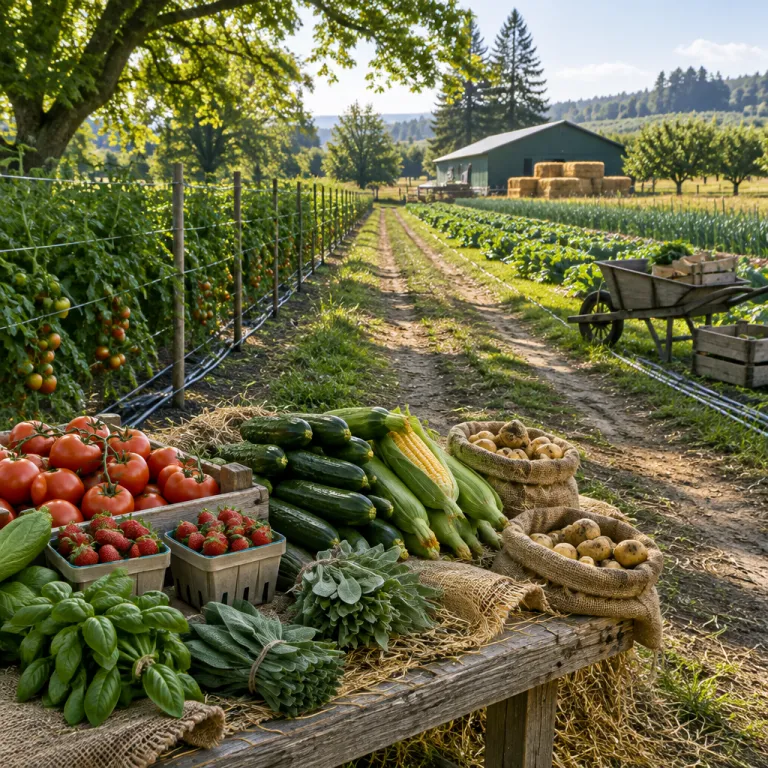
July on the land: how summer farm stay peak season really runs
On a serious working farm in July, the day starts before first light. Farmers and farmhands move through the fields while most guests still stay wrapped in linen, because the main summer farm holiday period coincides with the most intense agricultural work. That contrast between agricultural time and holiday time quietly shapes how every family will feel their stay unfolding, from the first tractor noise at dawn to the last walk back from the swimming pool at dusk.
By mid morning, hay cutting, succession planting and trickle irrigation are in full swing across many farms, while visitors wander between organic vegetable beds and sheep paddocks. In places like central Texas and the Southeast, average daytime highs in July often reach the upper 80s to mid 90s °F (around 31–35 °C), according to National Weather Service climate normals for Austin, TX and Atlanta, GA, so a swimming pool or shaded terrace becomes as essential as air conditioning in the rooms for many guests. When you book a farm stay in this period, you are stepping into a living system that must balance crop yield, animal welfare and guest comfort equally well.
Across the USA, July brings peaches, green beans and sweet corn into the farm kitchen, and the best luxury farm properties let guests taste that abundance within hours of harvest. Many working farms also host small community events in late July, which means stays can feel vibrant, busy and very social. As one Vermont farmer put it, “We’re harvesting, hosting and parenting all at once.” If you want a quieter stay with your baby or younger kids, consider a shoulder date just before or after the absolute high summer period, when farms are slightly less full but still deeply alive and the pace on the land has eased a little.
Peak season pressure: how hosts balance work, guests and family time
During the height of summer, the same people who cultivate the land are often the ones welcoming guests. Farmers focus on intensive operations such as harvesting, irrigation checks and livestock rotations, while still answering questions from curious visitors who have chosen a rural escape over a conventional hotel. That dual role means your stay works best when you respect that this is first a working farm, then a place of leisure, especially during the core July and August weeks when occupancy can approach full capacity at popular properties.
Some properties, such as a friendly farm near a national park or a sheep farm in Vermont, integrate guests into the rhythm of the day with egg collecting, berry picking and supervised feeding rounds. Others, including higher price luxury farm estates in regions like Italy, keep agricultural zones separate and invite guests to observe from a distance while they relax by the swimming pool or hot tub. Both models can be family friendly, but you should read reviews carefully to see whether previous guests felt genuinely involved or gently sidelined during the busiest weeks, and whether staff seemed stretched or fully present.
Policy and planning matter here as much as charm, which is why destinations that adopt a truly farmer friendly agritourism policy tend to manage peak crowds more gracefully. When you compare farm stays, look beyond the nightly prices and check how clearly each address explains safety rules, privacy policy details and access to working areas. United States Department of Agriculture agritourism reports note that overnight stays and on farm lodging now account for a growing share of farm tourism income, so the best hosts invest in clear communication that helps every family book a stay that fits their expectations and their children’s energy levels.
Designing a premium family stay: what kids can safely join in July
For a premium family, the promise of a summer farm stay peak season is simple yet demanding. You want your kids close to the action on the farm, but you also want safety, comfort and a level of service that feels genuinely high end. The best farm stays translate that into age specific programming rather than vague access to barns and fields, and they explain clearly which activities are suitable for toddlers, school age children and teenagers.
On a well run friendly farm, younger kids might help collect eggs, pick blackberries or feed lambs, while older children join short horseback riding sessions or guided walks to a nearby national park. Properties such as Shelburne Farms in Vermont or Blackberry Farm in Tennessee show how a working farm can offer structured activities that respect both animals and guests, from cheese making demonstrations to garden tours. One parent described their July visit as “the first time our kids understood where breakfast actually comes from.” When the farm powers the stay through solar panels or rainwater systems, hosts often use those infrastructure tours to teach kids how sustainability supports both the land and their holiday comfort.
Premium rooms at a luxury farm usually include strong air conditioning, soundproofing and thoughtful layouts so a baby can nap while older siblings swim or explore. Many family friendly properties now offer pet friendly options, allowing dogs to stay in specific rooms or separate cottages with clear boundaries around livestock areas. Before you book a stay in July, check whether the farm lists maximum group sizes for activities, because smaller groups generally mean your children get more time with the farmers and a fuller, calmer experience that still feels like a true working farm visit rather than a crowded theme park.
Booking strategy: securing the best rooms when farms are full
By the time the first hay bales are stacked, many of the best farm stays are already fully booked for the core summer farm stay peak season. High demand comes from families who plan their travel months ahead, often reserving the same rooms year after year once they find a rural retreat that suits them well. Coherent Market Insights analysis of the agritourism sector notes that farm based lodging and experiences show steady growth, which helps explain why July availability can disappear quickly in popular regions.
Begin by deciding what matters most for your stay, whether that is a swimming pool, a hot tub, direct access to a working farm or proximity to a national park. Then compare prices across several farms in your chosen region, paying close attention to what is included for kids, pets and extra guests in each price. For inspiration beyond the countryside, you can also look at refined nature escapes such as glamping near Dallas, which show how thoughtful design and service can elevate even the simplest rural setting and give you ideas for questions to ask before booking.
When peak July dates are full, consider late June or early September, when the land is still productive but the pace has eased slightly for both farmers and visitors. These shoulder periods often bring better prices, more flexible cancellation terms and more time for conversations with farmers about their methods, tools and seasonal challenges. Whatever month you choose, use a simple checklist before you finally book a stay: read reviews in depth, confirm the exact address and room configuration, and check that the privacy policy clearly explains how your data and on site photography will be handled.
FAQ
What is actually happening on a working farm in July ?
In July, many farms focus on hay cutting, irrigation checks and preparing for grain harvests while also bringing in peaches, green beans and sweet corn. Livestock usually graze open pasture in the cooler hours, then rest in shaded areas during the hottest part of the day. This means your farm stay will sit inside a very active landscape, with early starts for farmers and a steady flow of tractor and equipment movement that continues well beyond typical hotel hours.
Are farms open to visitors during the hottest weeks of summer ?
Yes, many working farms remain open to visitors throughout the summer farm stay peak season, especially those that have invested in agritourism infrastructure. They typically offer scheduled tours, tastings and limited hands on activities that fit around core farm operations. You should always follow farm guidelines, wear comfortable clothing and stay hydrated, because July heat can be intense and National Weather Service summaries show that heat index values can climb well above the air temperature on humid days.
What should a Premium Family pack for a July farm stay ?
Pack breathable clothing, closed toe shoes, sun protection and reusable water bottles for every family member. For kids and a baby, add hats, lightweight long sleeves for animal areas and any comfort items that help with naps in unfamiliar rooms. Many luxury farm properties provide high quality linens and toiletries, but it is wise to confirm baby equipment and pet friendly amenities before arrival so you do not overpack or arrive without something essential.
How far in advance should I book a stay for July or August ?
For the most sought after farm stays, July and August dates are often reserved by spring, especially for larger family friendly rooms or multi room cottages. If you want specific features such as a private hot tub, direct access to a working farm or proximity to a national park, aim to book a stay at least several months ahead. Late planners should look at shoulder dates or midweek stays, when availability and prices can be more forgiving and you may still secure a premium room even close to your travel dates.
Can children safely participate in farm activities during peak season ?
Children can safely join many supervised activities such as egg collecting, berry picking and meeting calm animals, even when the farm is busy. The best hosts design age appropriate programs and keep kids away from heavy machinery, large livestock movements and restricted working zones. Always ask which activities are suitable for your children’s ages and follow staff instructions closely to keep the experience both memorable and safe for the whole family.
Sources
National Weather Service regional climate summaries for Austin, Texas and Atlanta, Georgia ; Coherent Market Insights agritourism market analysis ; United States Department of Agriculture (USDA) agritourism and recreational services reports.