Choosing a sustainable eco farm stay without falling for greenwash
A truly sustainable eco farm stay begins long before you see the first row of vines or hear the hens. The most committed farm hotels now generate a significant share of their own energy, harvest rainwater on site and treat organic farming as the backbone of both the landscape and the guest experience. For couples planning a premium farm stay, the question is how to read those promises and decide whether the eco claims match the reality of daily life on the property.
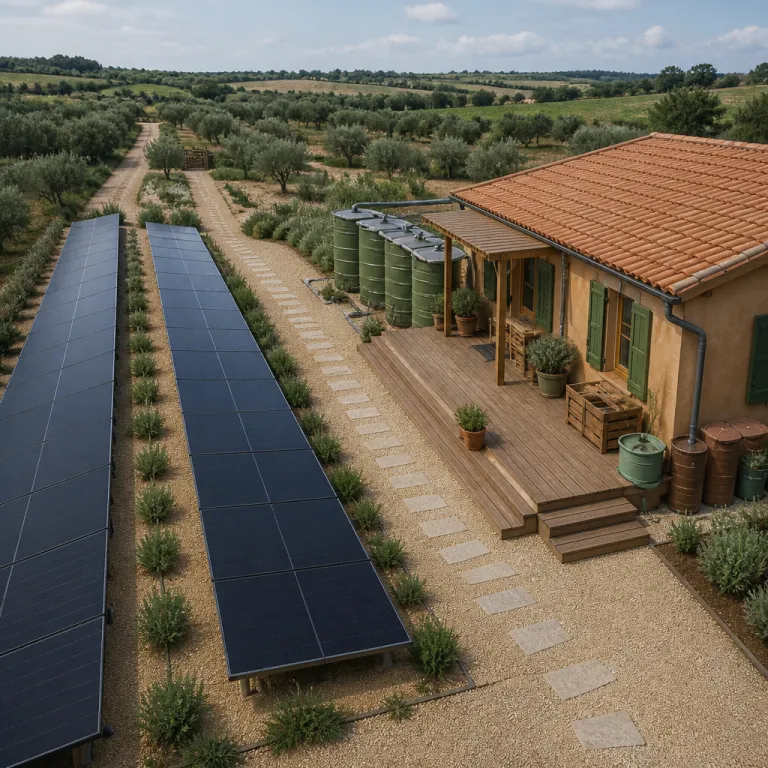
Look for a working farm where solar panels sit above barns or sheds, quietly powering the accommodation rather than just decorating a brochure. When Hotel Management teams integrate solar energy and rainwater cisterns into the farming infrastructure, they usually do it to reduce energy costs, conserve water and enhance comfort for guests who care about sustainable travel. That operational commitment matters more than any label, because it shapes everything from hot water reliability to how fresh organic food reaches your table meals each night.
On a serious eco farm, sustainability shows up in small, verifiable details that you can easily read on site. Ask how many hours of the day the stay runs on its own solar power, and whether rainwater is used for irrigation, laundry or garden taps rather than just mentioned in marketing. A luxury farm that is honest about its systems will explain that solar panels “Provide reliable hot water and reduce energy costs.” and that rainwater cisterns “Collect rainwater for non-potable uses, conserving water.” and “Often lead to cost savings, potentially stabilizing rates.” As a rough benchmark, the International Renewable Energy Agency’s 2019 small-scale solar case studies report that well designed rooftop retrofits can cut electricity use from the grid by around 25–35%, while data compiled in the Alliance for Water Efficiency’s 2020 rainwater harvesting resource library shows that rainwater capture and reuse can trim mains demand by roughly 30–45% when systems are sized correctly.
For couples, the benefit is twofold; you enjoy a quieter, more nature focused stay while knowing your presence supports lower impact operations. Many of the best farm stays now publish clear information about minimum night requirements, energy use and water savings, which lets you compare properties with confidence. Before you book, read reviews carefully and look for specific mentions of solar powered showers, eco friendly heating and the feel of the land around the farmstay at different times of year. One guest on farmstayplace.com described arriving after a storm to “hot water from the roof, salad from the garden and a sky dark enough to see the Milky Way from the porch.”
On farmstayplace.com, we see that guests increasingly choose an organic farm or friendly farm over a conventional rural hotel when the sustainability story feels tangible. They want to stay where organic ingredients are grown metres from the farm table and where the same solar array that powers the milking shed also lights their room. That is the essence of a sustainable eco farm stay; the farm literally powers the stay, and your booking helps keep that closed loop of energy, water and food alive.
What off grid farm stays really feel like for couples
Off grid farm stays have moved from fringe experiment to a serious category in premium rural accommodation. These are places where the farm stay runs primarily on its own solar energy, often with battery storage, and where rainwater cisterns supply much of the non potable water for the property. For guests, the experience can be quietly transformative, but it comes with trade offs that you should understand before you commit to a minimum night booking.
Expect deeper silence, darker skies and a more intimate relationship with the rhythms of farming and nature. Phone charging might be limited to certain hours, hot water may be scheduled around solar gain and you will notice how quickly a long shower drains a tank that the family and other guests also rely on. Couples who embrace this pattern often say the stay feels more like joining local life on a working eco farm than visiting a standard hotel, because every choice connects back to the land. One pair described timing their evening baths to “the last burst of sun on the panels” and watching the battery monitor drop as they soaked.
From a comfort perspective, well designed off grid farm hotels can feel surprisingly luxurious. Thoughtful owners invest in high quality insulation, natural materials and low energy lighting, so the accommodation stays cool in summer and warm in winter without constant mechanical noise. When you read reviews, look for comments about stable water pressure, consistent hot water and how the friendly farm hosts communicate any limits on power use during cloudy spells. Concrete details such as “10–15 kWh of battery storage per cottage” or “solar hot water backed by a small, efficient 5 kW boiler” are reassuring signs that the systems have been properly engineered.
Many of these properties lean into slow food and cultural exchange to enrich the stay. You might join cooking classes that use fresh organic vegetables from the garden, taste estate olive oil at a long farm table dinner or volunteer for an hour in the orchard before breakfast. For couples, these shared activities turn a simple farm stay into a family friendly yet romantic retreat, where you meet other guests over table meals and talk about soil, recipes and travel rather than emails and deadlines.
If you are curious about how younger travellers respond to this style of sustainable eco farm stay, read the analysis of rural hospitality trends in the article on what a TikTok raised generation wants from farm experiences. Their appetite for eco friendly, experience rich stays farm by farm is reshaping how hosts design activities, from short volunteer sessions to more structured farmstay programs. As a couple, you benefit from that shift through better storytelling, clearer sustainability metrics and more thoughtful ways to engage with farming life without sacrificing comfort.
From lavender rows to olive groves : three farms where systems matter
Some of the most persuasive examples of a sustainable eco farm stay come from properties that have spent years refining their systems. Los Poblanos in New Mexico, Eumelia in Greece and Babylonstoren in South Africa each show how solar energy, rainwater harvesting and regenerative farming can underpin a luxury farm experience. For couples, these places demonstrate what it looks like when the farm, the eco technology and the accommodation all work in concert.
At Los Poblanos, a historic organic farm and inn, the lavender fields are only part of the story. Behind the scenes, solar panels support the energy needs of the farm hotels style rooms and public spaces, while water saving infrastructure protects both the gardens and the wider landscape. Guests move between cooking classes, farm table breakfasts and walks through the fields, often unaware that the same systems keeping the irrigation flowing are also stabilizing operating costs and, in turn, room rates. A typical guest room here might be backed by a share of a 100 kW solar array that supplies around 30% of annual electricity demand and efficient heat pump systems that quietly maintain comfort.
Eumelia, set on a friendly farm in the Peloponnese, has spent more than a decade working with permaculture and biodynamic organic farming. Here, rainwater cisterns, greywater recycling and solar arrays support a cluster of low impact houses where each farm stay feels both private and deeply connected to the surrounding olive groves. Couples join the Olive Harvest Retreat, taste estate olive oil at long table meals and learn how fresh organic produce and organic ingredients from the eco farm kitchen can regenerate soil rather than deplete it. The owners often explain that their combined storage of roughly 60,000–80,000 litres of harvested rainwater keeps young trees alive through dry summers without over pumping local aquifers.
Babylonstoren, a seventeenth century Cape Dutch farm, offers perhaps the clearest example of how high end design can coexist with serious sustainability. The property integrates renewable energy, extensive water management and a vast organic farm that feeds multiple restaurants, all while maintaining a serene, design forward accommodation experience. For couples, the pleasure lies in walking from vineyard to spa to farm table dinner knowing that the same land powers the stay, the food and much of the energy that keeps the lights low and the air cool. Guests frequently mention the contrast between the refined interiors and the visible infrastructure outside, from solar fields at the edge of the vineyards to discreetly placed reservoirs and drip irrigation lines that can deliver more than 70% of irrigation needs from stored rainwater in a typical season.
If you want to trace this field to plate narrative across continents, the guide to the world’s most compelling farm to plate trail is a useful companion read. It highlights how different regions handle organic farming, cultural exchange and guest experiences, from Andean terraces to Tuscan hillsides. Use it to benchmark your next sustainable eco farm stay, asking whether the place you choose treats energy, water and food as a single, coherent system.
How to read certifications, data and on the ground signals
Eco labels can be helpful when you are scanning dozens of farm stays, but they are only a starting point. Some certifications focus on building standards, others on organic farming practices or community engagement, and very few capture the full picture of how a farm powers its stay. Couples booking a premium sustainable eco farm stay should treat logos as prompts for questions rather than guarantees of performance.
Ask the property to share simple, concrete data about energy and water. Many hotels that have installed solar panels report energy cost reductions of around thirty percent, while rainwater harvesting systems can cut mains water use by roughly forty percent when properly designed. These figures align with case studies from organisations such as the International Renewable Energy Agency’s 2019 distributed solar reports and the Alliance for Water Efficiency’s 2020 summaries of small scale rainwater reuse projects, which track typical savings from local renewable and water reuse schemes. When Hotel Management teams talk openly about these numbers, it signals that sustainability is embedded in operations rather than confined to marketing language.
On the ground, your own senses remain the best tools for evaluation. Notice whether solar panels are positioned to catch real sun, whether gutters feed visible cisterns and whether irrigation lines run from those tanks into orchards, vegetable beds or pasture. A genuinely eco friendly farm stay will usually be happy to walk you through the systems, because they are proud of how the farm, the eco technology and the accommodation support each other. If a host can tell you, for example, that their 50,000 litre rainwater tank covers all garden irrigation for three dry months, or that their solar array now provides 40% of annual electricity, you are hearing a level of detail that is hard to fake.
Food is another reliable indicator of depth rather than surface level sustainability. When a place talks about farm table dinners, ask how much of the menu comes from the organic farm, how often fresh organic produce appears and whether cooking classes use the same organic ingredients that you see growing outside. Couples who read reviews carefully will notice that the most sustainable properties inspire guests to write about soil, compost, water and life on the land, not just décor or pool temperature.
For a broader sense of how these signals play out across regions, the curated itineraries on farmstayplace.com are a useful reference. Articles such as the guide to elegant places to stay for art, river and farm escapes show how energy systems, local food and cultural exchange can coexist in one stay. Use those case studies as benchmarks when you compare your next luxury farm booking, especially if you are weighing properties with similar prices but very different sustainability claims.
Designing your stay around energy, water and the rhythm of the farm
Once you have chosen a sustainable eco farm stay, the final step is shaping your time there around the systems that make it work. Couples who lean into the rhythm of farming, solar energy and rainwater use often find the experience more relaxing and more memorable. Instead of fighting the infrastructure, you align your days with it, letting the farm set the pace.
Plan longer showers or baths for late afternoon, when solar heated water is most abundant and the system has had time to recharge. Schedule cooking classes, wine tastings or olive oil workshops for the middle of the day, when panels are generating peak power and the kitchen is busiest with fresh organic harvests. In the evenings, embrace lower light levels, slower table meals and conversations with other guests about how the farm, the eco systems and the accommodation all interlock. If the property shares a simple energy dashboard in the common room, glancing at it before you plan your day can help you time high demand activities to periods of surplus power.
Many couples also choose to volunteer briefly during their stay, not as unpaid labour but as a form of cultural exchange and understanding. An hour helping with organic farming tasks, from planting seedlings to turning compost, can change how you think about the food on your plate and the water in your glass. On a family friendly property, you might see children joining these activities too, learning how a friendly farm uses rainwater cisterns to keep orchards alive through dry spells.
When you read reviews after your trip, consider leaving detailed feedback about the sustainability aspects that mattered most to you. Mention how clearly the hosts explained energy and water systems, whether the minimum night policy felt aligned with the depth of the experience and how the balance between comfort and eco friendly practice shaped your stay. Your perspective helps future guests choose the right place and encourages more farm stays to invest in serious, measurable sustainability.
Over time, this feedback loop nudges the market toward properties where the farm genuinely powers the stay, rather than simply decorating it. As more couples prioritise sustainable travel, the best luxury farm stays will be those where solar panels, rainwater cisterns, organic ingredients and thoughtful hospitality form a single, coherent story. In that story, your role as guests is not passive; your choices help decide which farms thrive and which models of rural life endure.
FAQ
How do solar panels on a farm stay affect my comfort as a guest ?
Solar panels on a farm stay typically provide reliable hot water, stable lighting and quieter operations because generators run less often. When systems are well designed, you should not notice any reduction in comfort, only a softer acoustic environment and sometimes clearer information about when energy use is highest. Hosts who share basic data about their solar capacity and storage, such as “our array now covers 35% of annual electricity use”, usually manage guest expectations effectively.
What does rainwater harvesting change for my daily routine during the stay ?
Rainwater cisterns usually supply water for irrigation, toilets, laundry and sometimes outdoor showers, reducing reliance on mains or borehole water. As a guest, you may be asked to use water thoughtfully, take slightly shorter showers or avoid unnecessary towel changes to keep the system balanced. These adjustments are minor for most couples and often feel natural once you see how closely water use links to the surrounding landscape.
Do solar panels and rainwater systems make farm stays more expensive ?
Installing renewable energy and water systems requires upfront investment, but over time they often reduce operating costs for the property. Many hotels report lower energy bills and significant water savings, which can help stabilise room rates rather than push them higher. In premium farm stays, any price difference usually reflects the overall quality of the experience, not just the presence of eco technology.
How can I tell if a farm stay is genuinely sustainable and not just using marketing language ?
Look for clear explanations of how solar panels, rainwater cisterns and organic farming work together on the property, ideally with simple numbers or examples. When you arrive, check whether the visible infrastructure matches the description and whether staff can answer basic questions about energy and water use. Reviews that mention specific systems, farm table meals with produce from the land and opportunities for cultural exchange are strong signs of authentic commitment.
Is an off grid farm stay suitable for a romantic trip if I need to work remotely ?
Some off grid farm stays now offer reliable internet through satellite or local networks, but power for laptops and devices may be limited to certain hours. If you need to work, ask in advance about charging schedules, backup power and workspace options in the accommodation. Couples who can separate work from the stay entirely usually enjoy off grid properties more, because they can fully embrace the slower rhythm of farm life and nature.