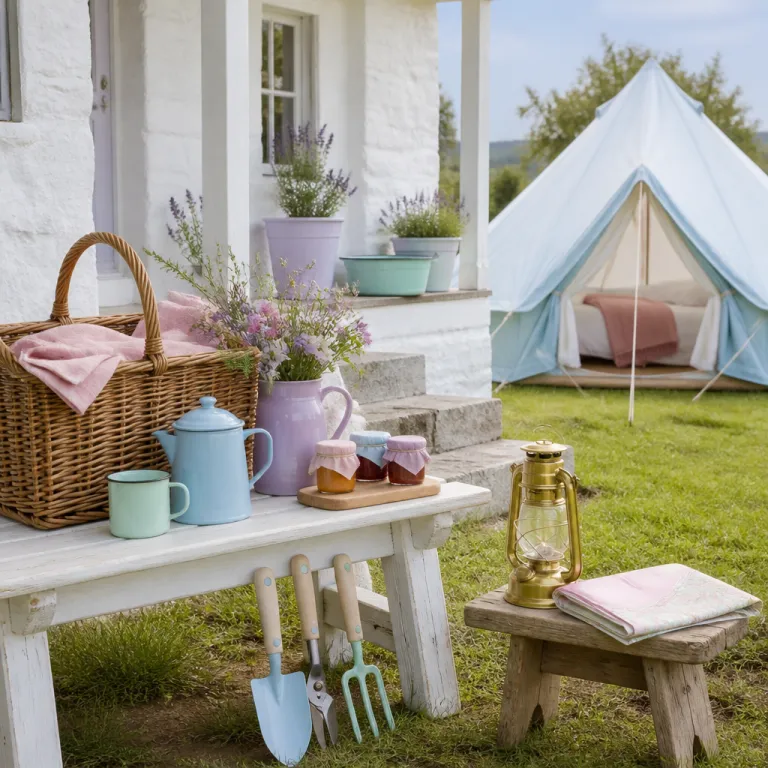
Luxury village camp farm stays: how they really feel
What a luxury village camp farm stay really feels like
A refined village camp style farm stay blends polished comfort with working land and everyday rural life. In a single day you might wake to soft linen, sip espresso on a cabin deck, then walk a short distance to watch horses being fed or vegetables being harvested. This balance turns a simple stay into a summer reverie, where every view frames nature yet every detail feels carefully considered.
Operators that follow a camp village concept show how an outdoor resort can reach premium standards while staying rooted in the landscape. Many modern cabins are compact enough to feel intimate yet generous enough for a family to unpack properly and settle in for several nights. When a luxury outdoor resort adds a bistro, pool, general store, and event lawn to its activities, the result is a village style community rather than an isolated camp in the hills.
For travellers used to city hotels, the first surprise is how quiet a farm style village camp can be at night. You hear wind in the trees, the occasional animal call, and the low murmur of other campers sharing stories by the fire. One guest at a Colorado ranch described it as “the first time in years our kids fell asleep to crickets instead of traffic.” That calm, combined with curated events and a clear summer program of guided walks, tastings, and arts and crafts workshops, makes the experience feel both organised and relaxed.
How booking platforms curate the perfect farm stay village camp
A serious luxury and premium booking website for farm stays does far more than list cabins and campsites. Behind each featured village camp or camp village style property, there is a vetting process that checks cabin quality, farm practices, and the depth of activities offered to guests. This is where E‑E‑A‑T principles matter, because travellers rely on expert curation when they book a stay far from urban services and want reassurance about safety, comfort, and authenticity.
For example, a platform might highlight adventure focused village camp locations because they combine nature based lodging with strong community programming and access to trails, lakes, or nearby towns. The same platform can also spotlight regenerative farm stays, using guides such as this resource on how to verify a property’s green claims to help guests evaluate sustainability before they book. When a booking site explains clearly whether a farm operates year round or only in summer, and whether its events calendar includes arts and crafts, wine tastings, or harvest days, it gives you the data needed to match your expectations with reality.
Trustworthy platforms also structure pages so you can skip content that is not relevant and move straight to availability, rates, and the summer program calendar. Filters let you select family friendly activities, pet policies, and cabin ownership options where available. That level of detail turns a simple search for a village camp into a confident decision about where to spend your next long weekend or multi week retreat, and clear calls to action make it easy to check dates and complete your booking in a few clicks.
Seasonal rhythms: planning a summer program in june, july, and august
Luxury farm stays that follow a village camp model live by the seasons, and summer is their high point. In June, fields are green, temperatures are usually mild, and many properties launch their main summer program of guided hikes, farm tours, and children’s camps. If you want the perfect balance of daylight, warmth, and fewer crowds, a stay in early June often works beautifully.
By July, demand for every type of camp and cabin soars, especially at mountain farm retreats and lakeside camp village destinations. This is when a booking website’s calendar and waitlist tools become essential, because the most atmospheric cabins and RV sites can sell out months in advance. Resources such as this July farm stay checklist help you secure places that rarely advertise yet offer exceptional value for families and couples.
August often brings warmer evenings and a slightly slower pace, which suits travellers who prefer long dinners and late night community events under the stars. Many camp village properties schedule harvest themed activities, outdoor cinema nights, and extended arts and crafts sessions for children during this period. When you book, look for clear descriptions of daily activities so each day of your stay feels intentional rather than improvised at the last minute, and use filters to skip content that does not match your ideal rhythm.
Designing the perfect family day at a farm style camp village
A well run village camp farm stay can structure your family’s day from sunrise to stargazing without feeling rigid. Morning might start with feeding animals, collecting eggs, or joining a gentle farm walk that introduces younger campers to the rhythms of nature. After a relaxed lunch, children can join supervised arts and crafts while adults enjoy a wine tasting, a cooking class, or simply a quiet hour by the pool.
Properties inspired by adventure focused outdoor resorts often publish a clear program of family friendly activities, from archery and climbing walls to storytelling evenings and outdoor concerts. The aim is to create a community atmosphere where guests of all ages mix naturally, whether they are staying in cabins, luxury RVs, or farmhouses. When a booking website presents this program day by day, with timings and age ranges, you can immediately see whether the stay will suit your children’s energy levels and interests.
For many families, the highlight is a themed summer program that runs over several days, allowing children to build friendships with other campers while adults explore nearby villages and markets. Some farm stays operate year round and adapt their activities to the season, offering harvest festivals in autumn and cosy indoor arts and crafts in winter. If you prefer to skip content about nightlife and focus on daytime fun, use filters to surface only those events that match your family’s pace and discover ways to build in quiet time.
From faith based retreats to adventure villages: niche camp experiences
Not every village camp style experience looks the same, and niche programmes can add depth to a luxury farm stay portfolio. Glisson Camp & Retreat Center, for instance, runs a Christian summer camp that blends faith based teaching with classic outdoor fun such as canoeing, hiking, and campfires. CISV International offers a different model with its Village programme, which brings together eleven year old campers from multiple countries for a month of peace education and cultural exchange.
While these examples are not farm stays in the strict sense, they influence how premium camp village properties design their own community events and educational activities. A luxury farm stay might borrow the idea of small international groups, shared chores, and structured dialogue sessions to enrich its own summer program. When booking through a specialist website, you can often filter for retreats that emphasise spirituality, environmental education, or adventure sports, depending on what you want from your stay.
Some guests seek a quiet, reflective day with yoga in a meadow and guided journaling, while others want high energy activities such as mountain biking or climbing. The most sophisticated booking platforms present these options clearly, so you can skip content that does not match your style and focus on the experiences that matter. Over time, this variety helps build a loyal community of repeat visitors who return year after year to the same village camp or explore new camp village destinations with similar values.
Practical booking tips for luxury village camp farm stays
Securing the right village camp style farm stay starts with timing and clarity about your priorities. For peak summer dates in June, July, or August, aim to book at least three to six months ahead, especially if you want specific cabin types or adjacent units for a larger family. Properties that combine cabin rentals, luxury RV sites, and even cabin ownership options tend to fill quickly because they attract both short term guests and long term owners.
Before confirming, read the full description of activities, events, and community guidelines so you understand how structured your stay will be. Some guests love a detailed summer program with scheduled arts and crafts, farm tours, and evening concerts, while others prefer a looser approach that leaves more space for spontaneous fun. If you see a section labelled “skip content” or similar on a booking page, use it to jump directly to cancellation policies, accessibility details, or maps of the camp village layout, then return to discover ways to personalise your itinerary.
Weather is another key factor, especially at higher altitude locations where nights can be cool even in mid summer. Pack layers, sturdy shoes for walking around the farm and village, and any personal equipment you prefer for outdoor activities, even if the camp provides basic gear. For travellers interested in historic rural stays beyond the village camp model, guides such as this feature on staying at a historic bed and breakfast in St Augustine can broaden your sense of what a countryside escape can be.
Key statistics and figures for village camp style farm stays
- Many outdoor resort brands now promote a small but growing network of village camp locations, giving travellers multiple landscapes to discover while enjoying a familiar style of stay.
- Typical luxury cabins at a camp village style property offer more personal space than a standard city hotel room while remaining easy to heat, cool, and maintain for year round use.
- Luxury farm stays often report that their main summer season spans roughly 90 days from early June to late August, during which occupancy rates can approach full capacity on weekends, especially when special events or festivals are scheduled.
- Industry research on adventure tourism shows steady growth over the past decade, and operators position their camp village properties to capture guests who want both comfort and direct access to nature based activities.
- Family focused farm stays frequently allocate a significant portion of their daily schedule to children’s activities, with some programmes offering three to five separate arts and crafts or outdoor sessions per day to keep younger campers engaged.
FAQ about luxury village camp farm stays
What amenities are typically available at a luxury village camp farm stay ?
At higher end properties inspired by modern outdoor resorts, you can expect contemporary cabins or suites, quality bedding, and well maintained outdoor spaces alongside shared amenities such as pools, bistros, and general stores. Some locations add event lawns, fire pits, and wellness facilities like hot tubs or yoga decks. Always check the property page for a full list of services before you book.
Can I own a cabin at a village camp style property ?
Some operators offer cabin ownership or long term lease options in addition to short stays. This model suits guests who return year after year and want a consistent base in a favourite region. Ownership usually comes with access to the same community events and activities as regular campers.
Are there activities for children at these farm stays ?
Most luxury farm stays that follow a village camp concept design extensive programmes for younger guests. Options often include supervised arts and crafts, animal feeding, nature walks, and evening storytelling or cinema nights. When browsing a booking website, look for clear age ranges and daily schedules so you can plan each day of your family stay.
How far in advance should I book a summer stay ?
For June, July, and August dates at popular camp village properties, booking three to six months ahead is sensible, especially for weekends and school holidays. Smaller farms with only a few cabins can sell out even earlier. If your dates are flexible, midweek stays usually offer more choice and a quieter atmosphere.
What is the difference between a farm stay and a standard camp ?
A farm stay centres on an active agricultural property, so guests engage directly with crops, animals, and rural life, while a standard camp may focus purely on recreation. Luxury farm stays that adopt a village camp layout add higher comfort levels, curated activities, and a stronger sense of community. This combination appeals to travellers who want immersion in nature without sacrificing privacy or refined amenities.