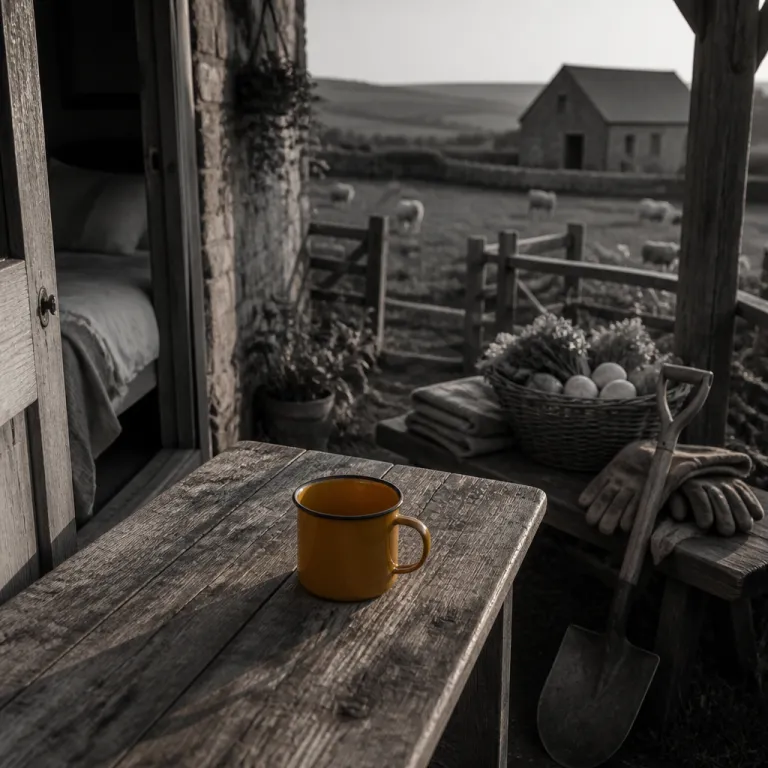
Why a farm stay price guide does not follow hotel logic
A serious farm stay price guide starts with one uncomfortable truth. A genuine farm stay is both a place of lodging and a working business where the harvest pays the bills, so the nightly rate must protect the soil as much as it pampers the guest. When you compare farm stay prices with city hotels, you are comparing two completely different experiences and economic models.
On a working farm the same équipe that feeds the animals often turns around to host guests farm side, which means labour is stretched and every hour of time is precious. Farm owners and farm workers are not backed by a chain of hotels with centralised laundry, marketing, or revenue management systems, so there is no economy of scale to smooth out a bad season. When frost wipes out a crop or a drought hits the land, the impact reaches both the farming operation and the guest experience during your stay.
Think about Taos Goji Farm in New Mexico, where self catering cabins sit on roughly 16 hectares of goji berry fields and the price remains accessible. The same farm stay price guide that lists Taos Goji alongside THE PIG properties in England, starting around 250 pounds per night, must explain why both can be fair value for different guests. One leans on simple lodging and the chance to explore farm life at your own pace, while the other layers in polished service, design led spaces, and a hospitality team that is not also racing to finish the milking.
For business leisure travellers extending a trip, this difference matters because you are used to predictable corporate hotel pricing. A farm stay, especially on a working farm or farm vineyard, prices in the volatility of agriculture and the intimacy of low guest numbers, not just the thread count. That is why a clear farm stay price guide is less about chasing the cheapest rate and more about matching your expectations to the specific experiences a property can realistically provide.
The spectrum from cabins to design farms: how much should you expect to pay?
When you scan any serious farm stay price guide, the spread between entry level and premium properties can look dramatic. At the accessible end, Taos Goji Farm offers rustic cabins where the main luxury is waking up inside a quiet agritourism landscape, while at the premium end, Callisto Farm in the Shawangunk Mountains appears in Architectural Digest for its architecture as much as its fields. Between those poles sit places like THE PIG group, where the house feels like a relaxed country guest house but the pricing reflects a polished hospitality machine.
Across the United States, typical farm stay lodging often falls between 100 and 200 dollars per night for a standard room or cabin. That range usually includes a private room in a farmhouse or guest house, simple meals built around the harvest, and access to daily farm experiences such as feeding animals or walking the land with the owner. At the upper end, design forward properties like Callisto Farm or a carefully curated farm vineyard can easily reach 400 dollars per night once you add chef led dinners, guided experiences, and low guest numbers that keep the atmosphere quiet.
Global agritourism is one of the fastest growing rural tourism segments, with estimates placing the market around 73.2 billion dollars in the early 2020s according to industry market research, which signals a clear willingness to pay for authenticity over generic amenities. Gen Z travellers now spend roughly 266 dollars per day on experiences, nearly double the rate of many baby boomers based on recent travel spend surveys, and that appetite for meaningful experiences is reshaping how farms price their stays. If you want a deeper dive into whether agritourism is growing too fast, the analysis in this agritourism growth feature is essential context before you book.
At the very top of the spectrum sit glamping tents on private land, architect designed cabins, and fully catered farm houses that operate more like private villas. These stays often host only a handful of guests at a time, which means each guest carries a larger share of the farm’s fixed costs, from insurance to staff salaries. A thoughtful farm stay price guide helps you see that you are not just paying for a bed, but for the decision to keep guest numbers low enough that the farmer still recognises you by name at breakfast.
Labour, land, and the hidden cost of authenticity
The most misunderstood line in any farm stay price guide is labour, because the work that keeps a working farm alive mostly happens before you wake up. On a genuine working farm, the same person who checks you into your lodging may have been repairing fences at dawn and will be in the milking shed again after dinner. In many U.S. farm business surveys, labour costs in agriculture can sit around ten percent of gross cash income, but that figure hides the unpaid family time and seasonal workers who keep the harvest on track.
Land is the second major cost driver, especially in regions where average land values reach around 10,000 dollars per acre for productive ground according to recent U.S. farmland value reports from the Department of Agriculture and financial modelling summaries. When a farm chooses to host guests, it is effectively renting out a slice of that land and its privacy, which means the nightly rate must justify the long term commitment. Properties near a major city or in a popular wine region often face higher land taxes and stricter zoning rules, which quietly push up the base price of every stay.
Authenticity adds another layer of cost that a standard hotel never faces, sometimes called the authenticity tax. Farms that genuinely raise animals, manage orchards, or run a farm vineyard must fund animal welfare, organic certification, machinery, and constant land maintenance, even when no guests are on site. Zoning debates, such as the guest caps proposed in Skagit County and analysed in this zoning feature, show how regulation can limit guest numbers and force higher prices per guest simply to keep the operation viable.
There is also the emotional labour of hosting, which a farm stay price guide rarely quantifies but you feel in the quality of your experiences. When the farmer takes time to walk you through the fields, explain why the eggs are that colour, or invite you to join a small harvest, that is time not spent on other revenue generating tasks. Paying a little more at a property where the farm would exist without the guests often means your money supports a resilient agricultural business rather than a stage set built only for weekend events.
The authenticity tax versus the farm aesthetic
One of the most useful roles of a farm stay price guide is to help you distinguish between a working farm and a property that simply leans on the farm aesthetic. The first group earns most of its income from crops, animals, or a farm vineyard, while the second often relies primarily on room revenue and events with a few decorative chickens for atmosphere. Both can be enjoyable experiences, but they should not be priced or evaluated in the same way.
On a genuine working farm, the authenticity tax shows up in places you rarely see. There are veterinary bills, feed costs, irrigation systems, and the quiet expense of leaving parts of the land uncultivated to protect soil health, all of which must be covered even when no guests farm side are present. When a property chooses organic or regenerative methods, certification and compliance add another layer of cost that a standard city hotel never faces.
By contrast, a property that focuses on décor and glamping tents but outsources most food and experiences may keep its costs closer to those of small hotels. The risk for travellers is paying a premium rate for a stay where the farm experiences feel thin, perhaps limited to a single scheduled tour or a pizza making evening staged more for social media than for meaningful connection. A careful farm stay price guide encourages you to read between the lines of marketing language and ask whether the experiences provided are rooted in daily farm activity or simply curated events.
One practical test is to ask how the farm uses its land when guests are not present. If the answer involves crop rotations, livestock movements, or a serious harvest calendar, you are likely looking at a place where your rate supports real agriculture. If the answer focuses mainly on weddings, retreats, and seasonal events, you may be paying more for a rural venue than for immersion in agritourism.
How to read value signals in farm stay pricing
For an executive traveller used to revenue managed hotels, a farm stay price guide becomes a tool for decoding value signals rather than chasing discounts. Start by looking at how many guests the property hosts at one time, because low capacity almost always means higher per guest costs but also more attentive hosting. A farm that caps its lodging at four or five rooms is choosing intimacy over volume, and that choice should be reflected in both the rate and the quality of your experiences.
Next, examine how the farm describes its income mix, even if only between the lines. Properties where the farming operation could stand alone financially, with strong harvest sales or a productive farm vineyard, tend to treat hospitality as a byproduct rather than the core product. In practice that often means the experiences provided feel less scripted, because the daily rhythm of the working farm sets the schedule and guests farm side are invited to step into that flow.
Pay attention to what is included in the rate, especially around food and hosted activities. A higher nightly price that includes field to table dinners, guided walks to explore farm ecosystems, or hands on experiences such as pizza making with flour milled on site can represent better value than a cheaper stay that charges extra for every activity. A thoughtful farm stay price guide will highlight when a property quietly includes generous experiences in the base rate, which is often a sign of owners who prioritise guest satisfaction over aggressive upselling.
Finally, consider booking channels and platforms. Direct booking through a dedicated platform such as a specialist farm stay site often keeps more revenue in the hands of farm owners, which can translate into better maintained land, more stable staff, and a richer guest house experience. To see how this plays out in practice, imagine two long weekend stays for a couple: a 150 dollar per night cabin that charges separately for breakfast and farm tours, versus a 260 dollar per night working farm where breakfast, a field to table dinner, and daily guided activities are included. Once you add meals and experiences, the higher nightly rate can deliver a lower total trip cost and a deeper connection to the farm.
Planning your own stay: matching budget, expectations, and experiences
Once you understand what drives the numbers in a farm stay price guide, planning your own trip becomes a more strategic exercise. Begin by deciding how much of your time you want to spend immersed in the working rhythms of the farm versus using it as a quiet base between city meetings. If you are extending a business trip, you may value a property that balances reliable Wi Fi and calm workspaces with early morning chances to explore farm life before your first call.
Clarify which experiences matter most to you and your travelling companions. Some guests prioritise hands on activities such as joining the harvest, learning to bake bread, or taking part in pizza making evenings where ingredients travel a few metres from field to oven. Others prefer softer experiences, from guided walks through the land to tasting flights at a nearby farm vineyard, and a good farm stay price guide will help you see which properties lean toward which style.
Think about the type of lodging that suits your comfort level and schedule. A simple room in a farmhouse guest house can feel wonderfully grounded if you plan to spend most of your time outdoors, while a separate cabin or glamping tent may offer more privacy for late night work sessions. For families or small teams, a whole house rental on a farm can spread costs across several guests while giving everyone space to unwind between shared meals.
Finally, remember that agritourism is one of the growing sectors where your spending has a direct impact on local agriculture. Choosing a stay on a genuine working farm rather than a purely decorative rural venue helps sustain the people who keep these landscapes productive and alive. When asked, many hosts will echo the simple guidance that underpins most successful visits: "Book in advance.", "Prepare for outdoor activities.", "Follow farm rules."
Key figures behind farm stay pricing
- Average land values for productive farmland in many U.S. regions can reach around 10,000 dollars per acre, which means every hectare dedicated to guest lodging carries a significant opportunity cost for the farm business (based on recent United States farmland value surveys and Financial Model Excel, United States data).
- Labour costs in agriculture often represent roughly 10.4 percent of gross cash income, but this share excludes unpaid family labour that is common on small farms and directly affects how much time hosts can dedicate to guests (summarised from Agriculture Institute and U.S. farm cost management data).
- Typical farm stay rates in the United States often fall between 100 and 200 dollars per night for standard rooms or cabins, usually including basic farm experiences and at least one meal built around seasonal produce.
- Global agritourism has been valued at approximately 73.2 billion dollars in recent market research, reflecting rapid growth as travellers shift spending from material goods toward experiences rooted in local culture and food systems.
- Gen Z travellers are estimated to spend about 266 dollars per day on experiences, nearly double the daily experiential spend of many baby boomers, which supports premium pricing for high quality farm stays that deliver memorable activities rather than only comfortable beds.
Frequently asked questions about farm stay pricing and value
What is usually included in the price of a farm stay?
Most farm stays include lodging, at least one daily meal, and access to basic farm activities such as animal feeding, garden walks, or informal conversations with the farmer. Higher priced properties may also include hosted dinners, guided tours to explore farm ecosystems, or structured experiences like bread baking or pizza making. Always check whether activities are included or charged separately, because this can significantly change the real cost of your stay.
How much does a quality farm stay typically cost per night?
In many U.S. rural regions, a well run farm stay usually costs between 100 and 200 dollars per night for a standard room or cabin. Design driven properties, low capacity guest houses, and architecturally ambitious farm vineyard stays can range from 250 to 400 dollars or more, especially when meals and experiences are included. A thoughtful farm stay price guide helps you compare these options by looking at what is bundled into the rate rather than focusing only on the headline number.
Why are some farm stays more expensive than nearby hotels?
Farm stays often appear more expensive than nearby city hotels because they carry both agricultural and hospitality costs. The rate must cover land maintenance, animal welfare, seasonal labour, and the impact of weather on the harvest, alongside the usual expenses of cleaning, utilities, and guest services. When you pay more at a genuine working farm, you are funding a complex rural business rather than just a room in a building.
Are farm stays suitable for children and multigenerational trips?
Many farm stays are highly suitable for children and multigenerational groups, offering safe outdoor spaces, animal interactions, and simple experiences that appeal across ages. Some properties design specific events such as family friendly pizza making nights or gentle harvest activities that allow children to participate without disrupting farm operations. Always confirm age policies and safety rules in advance, because working farms must balance guest access with operational needs.
How can I tell if a farm stay offers good value for money?
Good value comes from alignment between price, authenticity, and the depth of experiences provided. Look for clear information about the working farm activities, the number of guests hosted at one time, and what is included in the rate, especially around meals and guided experiences. Properties where the farm would operate even without tourism often deliver richer, more grounded stays, making them strong value even when the nightly rate sits above nearby hotels.