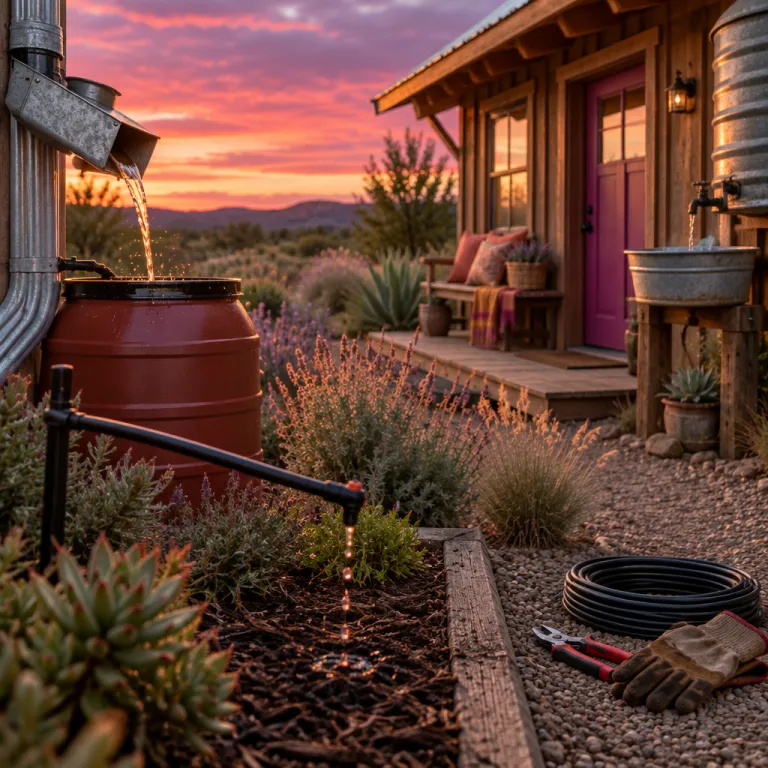
Drought farm stay water sustainability as a new kind of luxury
On drought-exposed farms from California to Andalucia, luxury now begins with water. Hosts talk as much about water management and irrigation water as they once did about thread counts, because drought farm stay water sustainability has become the defining comfort metric. For travellers booking premium farm stays, the way a property treats every litre of water signals its ethics, its farming future and the quality of your stay.
In Mediterranean, Australian and sub-Saharan regions, long dry seasons and harsher conditions are reshaping daily practices on the land. Owners are rethinking irrigation systems, crop choices and soil conservation so that plants grow with less stress while guests still enjoy long showers and shaded terraces. The best properties show how regenerative farming, careful water management and thoughtful guest services can coexist without quietly reducing water access or hiding the compromises.
On a drought-adapted farm stay, you will see water sources mapped as carefully as room categories. Springs, wells and captured rainwater become visible resources, and hosts explain which water sources are reserved for farming and which support guest comfort. This transparency around water, soil and crop production feels less like an eco-lecture and more like an invitation into the farm’s long term health.
What drought-adapted farming looks like when you check in
Walk the fields at a serious drought farm stay and you notice the soil first. It is rarely bare ; instead, a cover crop protects soil moisture, improves soil quality and supports soil health even when rain is scarce. These living carpets help reduce erosion, keep soil plants communities thriving and make irrigation water work harder for both crop production and the landscape you are walking through.
Drip lines snake between vines and orchard rows, showing how efficient irrigation replaces wasteful sprinklers in modern water management. Many hosts now offer irrigation walks instead of generic farm tours, explaining how efficient irrigation systems, mulching and shade structures help plants grow under increasingly tough conditions. In places like biodynamic Finca La Donaira in Andalucia, guests see how regenerative farming, careful water management and low pressure irrigation practices turn a dry hillside into a resilient, working landscape.
For you as a guest, these regenerative practices change the rhythm of the day. Early morning is reserved for field walks when soil moisture is highest and the light reveals subtle differences in soil quality between blocks. Later, under rising heat, you might taste olive oil from dry farmed groves and hear how years ago the farm relied on far more irrigation water than its current regenerative farming model allows.
Luxury farm stays in other dry regions, from Margaret River to inland California, are following similar paths. Some partner with eco-focused operators, much like the sustainable tour partners highlighted in this guide to luxury eco-friendly farm accommodations and experiences. The common thread is a commitment to soil health, smart water use and guest education rather than silent, behind-the-scenes compromises.
The pool dilemma and the meaning of health water
Nothing tests drought farm stay water sustainability quite like the swimming pool. In many arid regions, owners have drained conventional pools to reduce pressure on scarce water sources and protect overall health water on the property. Others have rebuilt them as natural pools, where aquatic plants and gravel beds filter water so that health water standards are met without chemical heavy systems.
For travellers, this creates a clear choice between farms that prioritise landscape health and those that still chase a resort aesthetic. A natural pool usually uses less irrigation water because it is integrated into the farm’s broader water management plan, sometimes even reusing lightly treated greywater for surrounding plants. The visual language changes too ; instead of bright blue rectangles, you swim beside reeds, dragonflies and soil plants that stabilise the banks and support biodiversity.
Some properties go further and remove pools entirely, redirecting those resources to regenerative farming and crop production. They explain that reducing water use in leisure facilities helps maintain soil moisture in orchards, protects soil quality and keeps perennial plants grow cycles intact. Guests who choose these stays often say the trade off feels like an upgrade, especially when evenings end in a stone cistern courtyard where you can hear the irrigation system pulse through the vines.
In Queensland and similar climates, a new generation of farm stays is experimenting with this balance between comfort and conservation. Many of the most interesting examples appear among eco-friendly luxury farm accommodations in water sensitive landscapes. Here, water management is treated as a design language, with every pool, pond and trough telling a story about scarcity, resilience and long term farm health.
How water scarcity reshapes the farm table
On drought-adapted farms, the menu is a direct reading of water conditions. Chefs work with farmers to prioritise drought tolerant crop varieties, using pulses, olives and hardy brassicas where thirsty crops once dominated the plate. This shift in crop selection is not only about conservation ; it also supports soil health, stabilises production and keeps the farm’s limited resources focused on resilient plants.
Dry farmed vines, almonds and heritage grains often anchor the dining experience, reflecting a move away from water intensive crops. Regenerative farming practices such as diverse rotations and cover crop mixes improve soil quality, which in turn increases soil moisture retention and reduces the need for constant irrigation water. When soil health improves, plants grow deeper roots, increasing availability of nutrients and water even under harsh conditions.
Dairy and lush pasture raised meats can become rarer on the menu in the most water stressed regions. Instead, you might find more legumes, vegetables and tree crops whose production demands less irrigation and whose roots help reduce erosion and protect soil plants communities. Hosts explain that reducing water use in the kitchen is as critical as efficient irrigation in the fields, and that every dish reflects a conscious water management decision.
For guests, this creates a dining narrative that feels both global and intensely local. You taste how years ago the farm might have relied on imported feed and heavy irrigation, while today the same land supports a leaner, more resilient mix of crops. The result is a table that tells the story of drought farm stay water sustainability with every course, from the first olive oil drizzle to the last spoonful of almond based dessert.
Guest expectations at water smart luxury farm stays
Checking into a serious drought-aware farm stay means accepting that shorter showers are part of the experience. Many properties now brief guests on water management at arrival, explaining how reducing water use in rooms helps protect soil moisture and crop health outside. Rather than feeling like a restriction, these practices are framed as a way for guests to help sustain the farm’s long term production.
Low flow fixtures, timed showers and linen policies are standard, but the best hosts go further and show you the system behind the signs. They might walk you to the storage tanks, explain the different water sources feeding the property and show how irrigation water is prioritised for orchards, vineyards and vegetable beds. This transparency turns abstract conservation into a tangible, almost tactile part of your stay, especially when you see how soil quality and plant health respond to each management choice.
Energy systems often follow the same logic, with solar arrays and battery storage supporting pumps that move water efficiently around the farm. Guests learn how efficient irrigation, gravity fed lines and careful scheduling reduce pressure on both energy and water resources during peak heat. In many cases, the farm’s regenerative farming approach, from cover crop use to compost applications, further improves soil health and increasing availability of stored moisture for plants grow cycles.
For solo travellers who value authenticity, these constraints can feel like a rare kind of comfort. You are not asked to pretend that drought does not exist ; instead, you are invited into the daily decisions that keep a working farm alive. That honesty is becoming a new definition of luxury in regions where every litre of health water counts more than another infinity edge pool.
From hidden compromise to guest facing education
Some of the most forward thinking farm stays are turning water scarcity into a guest facing feature rather than a quiet operational headache. Instead of masking reduced services, they design stays around drought farm stay water sustainability, from irrigation walks to soil health workshops. Guests leave with a clear sense of how their visit has helped, not harmed, the farm’s long term water balance.
Educational programming often starts in the fields, where you can feel the difference between bare soil and a thick cover crop underfoot. Guides explain how regenerative farming practices, such as minimal tillage and diverse rotations, improve soil quality and increase soil moisture retention over each year. They also show how years ago the same plots required far more irrigation water, while today efficient irrigation and better soil plants interactions have reduced that demand.
Some properties host evening talks that place their efforts in a wider global context. They discuss how climate change is increasing pressure on water sources, how local regulations shape water management and why reducing water use in tourism is now non negotiable. If you want to understand how agritourism growth intersects with resource limits, this deeper dive pairs well with broader reflections in this analysis of whether agritourism is growing too fast for its own good.
For travellers choosing where to book, these educational approaches are a useful filter. Properties that speak clearly about water, soil and farming conditions usually have the most robust conservation strategies and the healthiest crops. Those that stay silent, by contrast, often signal that drought is being managed through quiet cuts to services rather than thoughtful, regenerative practices that protect both land and guest experience.
Key figures shaping drought-aware farm hospitality
- In Mediterranean regions, average rainfall has declined by roughly 10 to 20 percent over recent decades, pushing farms to adopt more efficient irrigation and soil conservation strategies (European Environment Agency, various reports). This shift directly influences how luxury farm stays design water management systems for both crops and guests.
- Drip irrigation can reduce water use by up to 40 percent compared with traditional surface irrigation, while maintaining or even increasing crop yields (Food and Agriculture Organization data). Many drought-adapted farm stays now rely on drip lines to protect soil moisture and ensure plants grow reliably through long dry spells.
- Regenerative farming practices that increase soil organic matter by just 1 percent can boost the soil’s water holding capacity by tens of thousands of litres per hectare (various agronomy studies). For farm stays, this means better soil health, more stable production and less dependence on scarce water sources during peak season.
- Tourism accounts for an estimated 8 percent of global greenhouse gas emissions, with water and energy use in accommodation playing a significant role (research published in Nature Climate Change). Drought-aware farm stays that integrate efficient irrigation, renewable energy and careful water management help reduce this footprint while maintaining guest comfort.
- Some dryland vineyards report yield stability or modest increases after transitioning to cover crop systems and reduced tillage, despite receiving similar or slightly less rainfall (case studies from wine regions such as California and Spain). These examples show how improving soil quality and soil moisture retention can support both premium wine production and resilient farm hospitality.
FAQ about drought-aware luxury farm stays and water
How does drought change the experience at a luxury farm stay ?
Drought shifts the focus from unlimited water use to thoughtful conservation woven into daily routines. You may find shorter showers, natural pools or no pool at all, and menus built around drought tolerant crops rather than water intensive ingredients. The upside is a more honest, immersive connection with the farm’s soil, crops and long term health.
What should I look for when choosing a water smart farm stay ?
Look for clear information about water management, including how the property sources water and how it uses irrigation systems on the farm. Signs of serious commitment include drip or other efficient irrigation, visible cover crops, and hosts who can explain their regenerative farming practices. Transparent communication about any guest facing limits, such as shower timers or pool changes, is another strong indicator of integrity.
Are natural swimming pools safe and comfortable for guests ?
Well designed natural pools use plants and biological filters to maintain high health water standards without heavy chemical inputs. The water often feels softer on the skin, and the surrounding planting supports biodiversity and soil stability. For many guests, swimming beside reeds and dragonflies becomes a highlight rather than a compromise.
How do regenerative farming practices reduce water use on these farms ?
Regenerative farming improves soil health and soil quality, which increases the soil’s ability to hold moisture and support plants grow cycles between rains. Techniques such as cover cropping, reduced tillage and compost additions help reduce evaporation and erosion, so less irrigation water is needed. Over time, this increasing availability of stored moisture makes the farm more resilient to dry years.
Can my stay actually help a drought stressed farm ?
Your stay can help when you choose properties that invest in long term water and soil conservation rather than short term amenities. Revenue from guests often funds improved irrigation systems, rainwater capture and regenerative practices that protect soil moisture and crop production. By accepting reasonable water saving measures and engaging with educational activities, you support both the farm’s finances and its landscape health.