From fixed dates to living calendars: how smart farms time your stay
Luxury farm stays are quietly replacing fixed seasons with living calendars that follow the rhythm of the farm. On the best working farms, booking engines now read lambing charts, calving windows, and harvest forecasts before they ever show you a stay date, which means your family arrives when the animals and fields are actually doing something worth watching. This is the essence of a refined farm stay technology guest app experience, where the web interface, the app, and the soil all speak the same language.
Instead of scrolling through generic hotel style calendars, travelers now see curated “moments” such as first lambs, peak blossom, or grape crush, each linked to specific farm activities and hands on experiences. Behind that elegant surface, property management systems pull données from herd fertility reports, weather models, and crop monitoring sensors, then nudge the calendar so that stays align with the most vivid experiences on the farm. For guests, it feels like a perfect rural coincidence ; for the farmer, it is a deliberate strategy to spread labour, protect animal welfare, and maximise the power of each stay.
Families using these platforms can filter by working farm intensity, from quiet rural escape to fully immersive working farms where you might help bottle feed lambs at dawn. A smart farm stay technology guest app experience will flag which stays include child friendly farm activities, which stays are better for adults seeking a slower guest experience, and which stays are timed to major events such as shearing or haymaking. You are not just trying to find and book a room ; you are choosing the exact week when your children will see where milk, wool, and eggs actually begin.
The guest app that whispers when the barn lights go on
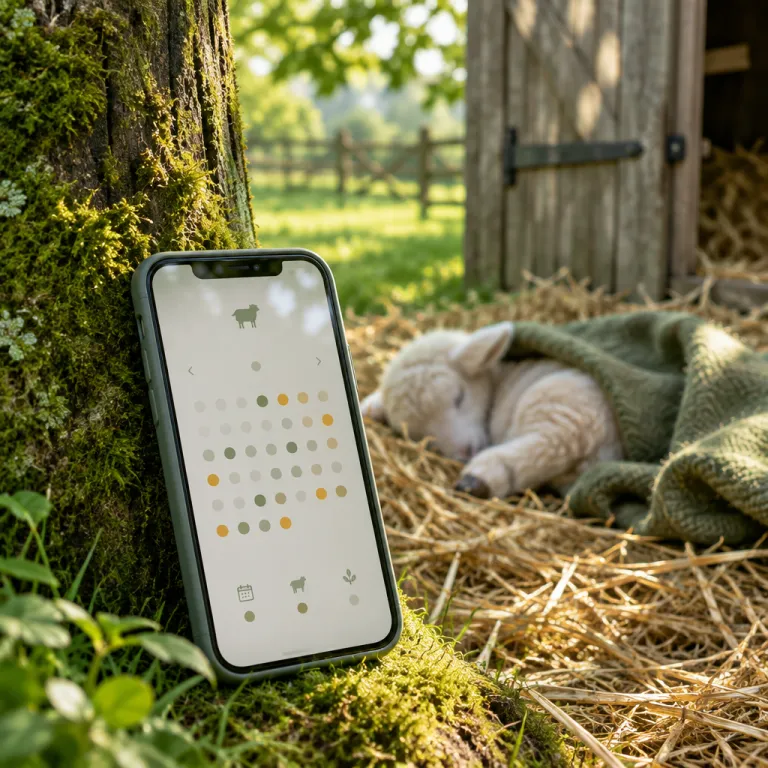
Once you arrive, the most sophisticated farm stay technology guest app experience feels less like a gadget and more like a discreet guide who knows when the lambs are born. On premium farm stays in the stay USA market and beyond, guests sign into a single app that handles direct booking details, digital keys, and a live schedule of farm activities, then quietly pushes alerts when something unmissable happens in the barn or orchard. The aim is not to flood your phone but to time your steps so you reach the stable just as a foal stands up or the cows walk in for milking.
On one New England working farm, for example, motion and temperature sensors in the lambing pens feed into the property management system, which then sends a gentle notification through the app when labour starts, inviting only those guests who opted into night barn experiences. The same app controls IoT enabled rooms, adjusting lighting and air quality after you report preferences during online booking, while a fireplace suite can be pre warmed before you return from a frosty pasture walk, echoing the comfort of elegant hotels with a fireplace in the room. Features included in these systems often extend to farm table reservations, so your seat is held the moment the farmer knows which vegetables and animals are ready for the evening meal.
For families, this guest experience removes friction without erasing the authentic rural feel of a farm stay. Children can open the app to see which animals are being fed next, tap through simple explainers on soil moisture or pasture rotation, and sign up for hands on experiences such as egg collecting or orchard picking. Parents keep the power to say yes or no to each alert, ensuring that technology shapes the rhythm of the stay rather than dictating it.
Educational layers: when children meet sensors, soil, and stories
Premium farm stays aimed at families now treat the farm stay technology guest app experience as an educational layer draped lightly over the fields. Instead of gamified distractions, the best apps turn the entire farm into a living classroom where children use their phones to read the landscape, not escape it. A walk through nature becomes a quiet treasure hunt, with the app identifying plants, tracking bird calls, and explaining why certain animals graze one paddock while others rest.
On progressive farms in the stay USA circuit, QR codes beside gates and hedgerows link to short videos recorded by the farmer, who explains crop rotations, animal welfare choices, and how a working farm balances tourism with food production. These clips are stored offline inside the app so that rural connectivity issues do not break the guest experience, and they often lead directly to the farm table, where children can match what they saw in the field with what appears on their plates. Families who plan the perfect weekend can use these tools to schedule hands on experiences such as cheese making or beekeeping, while still leaving space for unscripted play in the grass.
Some properties pair their digital guides with elevated comfort, offering glamping tents and hot tub decks that are booked through the same app that manages your farm activities, as seen in many refined glamping and hot tub retreats for a farm stay escape. The contrast is deliberate ; you might watch a live barn camera feed with your children before bed, then step outside to a steaming tub under a dark rural sky. Used with restraint, these features included in the app help travelers experience farms as both working landscapes and restorative retreats.
Behind the scenes: how operators use tech without losing the gate chat
From the operator’s side, the most successful farm stay technology guest app experience is the one that quietly removes admin while preserving the conversation at the gate. Direct booking through a farm’s own web platform or app reduces commission costs and gives farmers better données on who is arriving, what ages the children are, and which experiences they value. That information then shapes everything from staffing to which animals are brought closer to the guest areas during peak family stays.
Modern property management systems built for working farms now integrate booking calendars, payment processing, and compliance reporting into a single dashboard, freeing the farmer from late night paperwork. Automated pre arrival messages explain safety rules around animals, outline which farm activities are suitable for different ages, and invite guests to book farm table dinners or private tastings before they even set foot on the rural escape. When guests finally arrive, check in can happen in two minutes on a tablet, leaving time for the farmer to walk them to the paddock and point out where the lambs might appear.
There is a clear line, though, beyond which technology starts to erode the authentic rural character that travelers seek. Farms that lean too heavily on screens risk turning stays into managed experiences rather than lived ones, especially if every moment is mediated by an app instead of a person. The most thoughtful hosts use digital tools to plan the perfect flow of each stay, then deliberately step back, allowing guests to experience the farm as a place of unscripted power, quiet, and genuine human contact.
Choosing your smart rural escape: what to look for when you book
For families browsing luxury farm stays online, the challenge is to read between the lines of the farm stay technology guest app experience and decide how much tech feels right. Start with the booking journey itself ; a well designed web interface should make it easy to find and book specific experiences such as lambing season, harvest weekends, or dairy mornings, rather than just listing generic stays. Look for clear descriptions of which features are included in the app, from live barn alerts to farm table reservations and self guided nature walks.
Pay attention to how the property talks about its working farm status, because some farms are primarily accommodations with a few animals, while others are fully operational working farms where tourism fits around the agricultural calendar. The most transparent hosts will report honestly on when certain animals give birth, when fields are quiet, and when machinery is active, then use their app to help guests navigate those rhythms safely. If you prefer a softer introduction for young children, choose a perfect rural setting where the app emphasises gentle farm activities and storytelling rather than intense hands on experiences.
As you compare options across the stay USA landscape and beyond, prioritise farms that encourage direct booking through their own platforms, since this often signals stronger control over the guest experience and better alignment between calendar promises and on farm realities. Many of these hosts also link their apps to seasonal menus, so you can read about meals that move from field to plate in real time, then follow up with deeper editorial pieces such as this guide to meals that can only exist on a farm when the kitchen follows the harvest. Used thoughtfully, technology becomes the quiet thread that connects booking, travel, stay, and memory, allowing guests to experience farms as living, working places rather than staged rural sets.
FAQ
How does a farm stay app know when lambs are being born ?
On serious working farms, lambing dates are predicted using breeding records, gestation charts, and sometimes temperature or motion sensors in lambing pens. These données feed into the property management system, which then adjusts the guest calendar and sends optional alerts through the app when labour begins. The result is that guests who opted in can be invited at the right moment, while animal welfare and farmer workload remain the priority.
Will technology ruin the feeling of an authentic rural farm stay ?
Thoughtful hosts use technology to remove friction, not to dominate the stay. Check in, billing, and scheduling move into the background so that more time is left for real conversations, gate chats, and unplanned encounters with animals and nature. If an app ever feels intrusive, you can usually turn off notifications and let the farm’s slower rhythm lead instead.
What should families look for in a farm stay app before they book ?
Families should look for clear information on which farm activities are suitable for different ages, how close contact with animals is managed, and whether educational content is built into the app. A strong farm stay technology guest app experience will show sample daily schedules, explain safety rules, and outline which features are included in the stay price. It should also make it easy to adjust or cancel activities if children become tired or the weather changes.
Is it better to book a farm stay directly or through a large platform ?
Direct booking through a farm’s own web platform or app usually gives the host more control over the guest experience and reduces commission costs. That extra margin can be reinvested in better staff, improved animal facilities, or enhanced guest amenities such as farm table dinners and educational tours. Large platforms can be useful for comparison, but once you have chosen a property, booking direct often benefits both travelers and farmers.
Can a farm stay app help children learn about food and farming ?
Many premium farm stays now design their apps as educational companions, with plant identification tools, short videos from the farmer, and interactive maps of the working farm. Children can follow the journey from field to plate, track which animals live where, and understand why certain areas are off limits at specific times. Used alongside real world experiences, these digital layers deepen respect for agriculture rather than distracting from it.