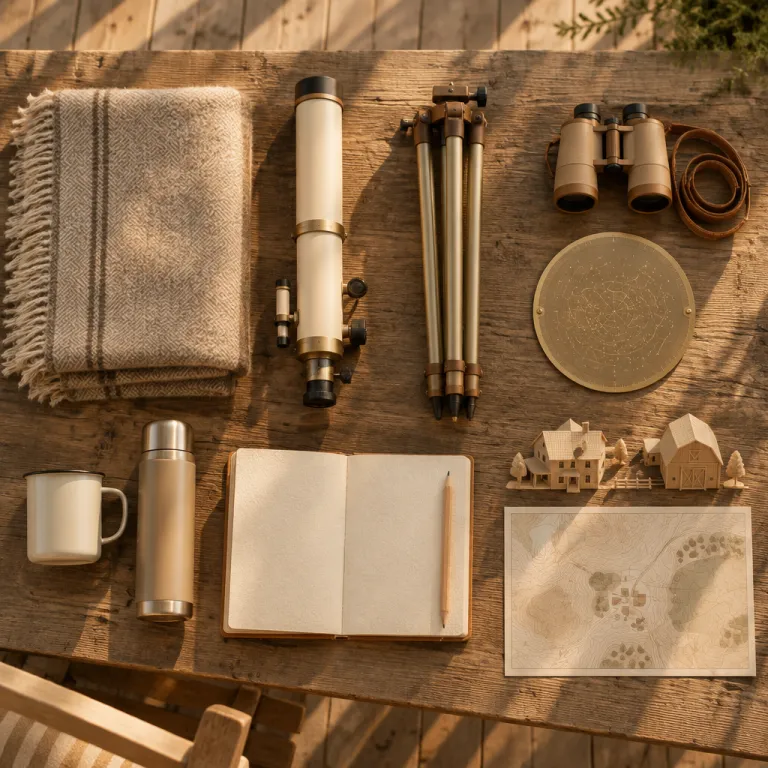
What makes a farm stay genuinely dark sky worthy
A true dark sky farm stay stargazing retreat begins with geography and discipline. The best stargazing farm stay properties sit far from any town in a rural state landscape, where the night sky remains naturally dark and the Milky Way still looks like spilled salt. On a clear beautiful night, you should see thousands of stars without any telescope, only careful sky viewing from a field or deck.
Serious hosts talk about the Bortle scale, which measures how dark skies really are. Aim for a farm stay in a Bortle class 2 or 3 area, where light pollution is low enough that the night sky feels almost three dimensional and the sky viewing becomes an immersive experience. Many of the most committed properties operate near a certified state park or national park that already protects dark skies through strict lighting rules.
Policy matters as much as location for excellent stargazing and quiet romance. A farm that wants perfect stargazing will shield every outdoor light, use warm low lumen bulbs and insist that guests close curtains to protect the night sky for everyone. When you book stay dates, ask whether the farm stay has a written dark sky policy, whether the park offers or nearby recreation area enforces curfews on lighting and how they handle car headlights after dark.
Landscape design can either support or sabotage stargazing spots around a rural property. Open meadows, gentle hills and a short walk to a lake or forest clearing create natural sky viewing platforms that feel both peaceful and cinematic. If trees ring the farm too tightly, the hosts may build a raised sky park deck or a small art inspired viewing tower to lift you above the canopy and into the stars.
Some couples want the option of a beautiful day on trails before a beautiful night under the constellations. In that case, look for a farm stay that shares a boundary with a state park or national park, where the recreation area offers hiking, paddling on a lake and birdwatching in the forest. You will feel the rhythm of the land from sunrise to night, then return to your dark sky cabin or converted barn for private star gazing in complete silence.
How farms turn darkness into a luxury amenity
On the most forward thinking properties, dark sky farm stay stargazing is not an afterthought but the central amenity. These farms invest in astronomical infrastructure with the same seriousness that city hotels reserve for spas, turning the night sky into a curated experience for couples. The result is a style of stay where darkness, not décor, becomes the real luxury.
Look for farms that provide quality telescopes mounted on stable tripods in dedicated sky viewing areas. Some state park adjacent farms even partner with local astronomy clubs to host guided night walks, where you move between different stargazing spots on the property and learn how to read the sky like a map. When a park offers ranger led programs nearby, the farm can arrange private versions that end back at your cabin with hot drinks and blankets.
Lighting design is treated almost like art on these properties, with every bulb chosen to protect dark skies. Pathways might be lit with motion activated, low level amber lights that switch off quickly, preserving the night sky while still keeping the stay safe. Around the main farm buildings, owners often retrofit fixtures to point downward, cutting light pollution and sharpening the stars above the barns.
Some farms now build open air star beds on raised decks, powered by discreet solar panels and positioned for perfect stargazing over a meadow or lake. Couples can book stay packages that include one night in a regular room and one night on the star bed, giving two very different ways to experience the same sky. Properties that focus on rest and slowness, similar to those highlighted in guides to farm stays where wellness means doing less, understand that lying still under the night sky can be the most restorative ritual of all.
Thoughtful hosts also consider the transition from beautiful day to beautiful night as part of the experience. They might dim interior lights after dinner, encourage guests to step outside during astronomical twilight and offer simple sky park maps that mark the best viewing spots by compass direction. When every detail of the stay nudges you gently toward the stars, darkness feels intentional rather than inconvenient.
Why working farms are natural dark sky sanctuaries
Many couples assume they must travel to a remote national park for serious stargazing, yet a well chosen farm stay can rival those skies with far more comfort. Working farms often sit beyond the last ring of suburban light pollution, surrounded by fields, forest and sometimes a quiet lake that mirrors the stars. That combination of distance, open horizons and low population density creates ideal conditions for dark sky farm stay stargazing.
Unlike a typical resort, a family run farm rarely needs bright commercial signage or all night parking lot lights. Machinery is stored close to the barns, animals sleep in darkened sheds and the owners value a peaceful night for their own rest as much as for guests. This naturally restrained lighting culture means the night sky above the farm often remains darker than the sky above a nearby state park campground.
Topography helps too, especially in hilly wine regions or high plateau grazing country where farms sit slightly elevated above the valley floor. From these gentle ridges, sky viewing becomes panoramic, with stars rising cleanly above the horizon and the Milky Way arching from forest to lake. On some properties, a short walk from the farmhouse leads to a ridge that feels like a private sky park, reserved only for the handful of guests staying that week.
The agricultural rhythm also shapes the experience in ways that feel quietly luxurious. After a beautiful day spent tasting olive oil, helping with spring planting or watching the art of cheesemaking, the shift into night brings a different kind of intimacy with the land. Guides to terroir driven farm kitchens often point out that what you eat reflects the soil under your feet, and the same is true of the stars you see above the fields that fed your dinner.
Because these are working landscapes, you share the night sky with more than other travelers. Owls patrol the forest edges, frogs call from the lake margins and livestock breathe steadily in nearby paddocks, adding a subtle soundtrack to your star gazing. The result is an excellent stargazing experience that feels rooted in place, not staged, and that deepens your sense of connection to both the farm and the wider universe.
Timing your stay for the most romantic skies
Even the best dark sky farm stay stargazing property cannot control the calendar, so timing your visit matters. For couples planning a stay around the night sky, two factors dominate the conversation : season and moon phase. Get those right and the same farm can shift from pleasant stargazing to perfect stargazing that feels almost unreal.
In many mid latitude regions of the United States, late autumn and early spring bring the clearest dark skies, with crisp air that sharpens the stars. Summer offers warmer nights and the chance to pair a lake swim or forest walk with sky viewing, though humidity can soften the night sky slightly. Winter can deliver the most transparent atmosphere of all, but only couples comfortable with cold weather will fully enjoy long stargazing sessions outside.
Moonlight is the other major variable, and it can either enhance or erase your plans. Around the new moon, the night sky becomes its darkest, revealing faint constellations, star clusters and even the ghostly band of the Milky Way during excellent stargazing conditions. A bright full moon, by contrast, washes out many stars but turns the farm, forest and lake into a silver landscape that some couples find deeply romantic.
When you book stay dates, check a lunar calendar and aim for at least two nights on either side of the new moon if your priority is deep sky viewing. If you prefer a balance of stars and moonlit walks through the recreation area or along the farm tracks, choose the waxing or waning phases instead. In northern states where the northern lights occasionally appear, autumn and spring can offer rare nights when aurora shares the sky with the stars, though you should treat that as a bonus rather than a guarantee.
Weather patterns also shape the experience, especially in coastal or mountain regions where clouds can build quickly after a beautiful day. Ask the host which months historically bring the most clear nights and whether the nearby state park or sky park publishes local climate data. A farm that understands its own seasonal rhythms will guide you honestly, helping you align your love of stargazing with the most reliable windows for dark, peaceful nights.
Designing a couple’s escape around the night sky
For many couples, the appeal of dark sky farm stay stargazing lies in its intimacy. You are not lining up at an urban rooftop bar for a quick glance at the sky but settling into a slow evening where the stars unfold gradually above a quiet farm. The entire stay becomes a shared ritual, from the first dimming of the lights to the last meteor streaking across the night.
Thoughtful hosts design their cabins and converted barns with couples in mind, often placing beds so you can see a slice of sky from the pillow. Some properties, including those featured in guides to elegant countryside cabins with private jacuzzis, add outdoor hot tubs positioned for sky viewing, turning the deck into a private sky park. When the water steams and the air cools, the contrast heightens every sensation, from the sound of the forest to the glow of distant stars.
Romantic farm stays treat the transition from day to night almost like a piece of performance art. Dinner might be served slightly earlier, using ingredients from the farm and nearby lake or forest, so that you can step outside just as the first stars appear. Hosts may provide blankets, reclining chairs and simple star maps, encouraging you to turn off phones and let the dark skies work their quiet magic.
Because there are usually only a few guests on site, you rarely compete for the best stargazing spots. One couple might wander to a meadow near the recreation area boundary, while another settles by the lake shore, leaving each pair with a sense of private space under the same night sky. This distribution of people across the farm keeps the atmosphere peaceful and allows everyone to enjoy star gazing without stray torch beams or chatter.
For anniversaries or proposals, some farms offer tailored experiences that weave the night sky into the narrative of the stay. A host might arrange a guided constellation tour that ends with champagne, or set up a telescope near a favourite oak at the edge of the forest for a surprise viewing session. When darkness becomes the central amenity, the farm can shape memories that feel both grand and deeply personal.
Choosing between dark aware and dark designed properties
Not every rural property that advertises stargazing delivers the same level of night sky immersion. Some farms simply benefit from being in a low light pollution state, while others have built their entire identity around dark sky farm stay stargazing. Learning to distinguish between these two types will help you book stay dates that match your expectations.
A dark aware farm might mention stars in its marketing and offer a few casual sky viewing suggestions. The lights could be reasonably dim, and you may find one or two informal stargazing spots near the barns or by a small lake, but the experience is not structured. These stays can still offer a beautiful night outdoors, especially if the nearby state park or national park maintains good dark skies, yet they rarely provide equipment or guided interpretation.
Dark designed properties, by contrast, treat the night sky as their primary amenity and plan every detail around it. They invest in quality telescopes, red filtered flashlights, reclining loungers and sometimes even small observatory domes positioned in a quiet recreation area corner. Hosts will know the Bortle rating of their sky, track meteor showers and advise you on the best seasons for perfect stargazing versus softer, moonlit evenings.
These farms often sit near or within an international dark sky park or certified dark sky community, using the park offers of ranger programs as a complement to their own experiences. While the term “international dark sky” refers to a formal designation managed by the International Dark Sky Association, the practical benefit for you is simple : consistently excellent stargazing. When a sky park or state park next door enforces strict lighting rules, the farm inherits that darkness as a daily asset.
As you compare options, read between the lines of each description and ask specific questions about lighting policies, equipment and the number of dedicated stargazing spots. A property that can speak confidently about its night sky, its relationship to nearby parks and its strategies for protecting dark skies is more likely to deliver the immersive, peaceful experience couples seek. In a travel landscape crowded with amenities, these farms prove that the most powerful luxury can still be something as simple as looking up.
Key figures on dark sky and farm stay stargazing
- According to the International Dark Sky Association, more than 80 percent of people in North America live under light polluted skies, which makes a genuinely dark sky farm stay stargazing experience a rare commodity for urban couples.
- Recent satellite based studies published by Science Advances report that artificial light at night is increasing globally by around 2 percent per year, reinforcing the value of farms located near protected state park and national park recreation areas.
- The International Dark Sky Association has certified over 200 dark sky places worldwide, including dark sky parks and reserves, and farm stays located within 30 kilometres of these sites typically report higher demand from stargazing focused travelers.
- Visitor surveys from several U.S. dark sky parks, such as Big Bend National Park and Cherry Springs State Park, indicate that more than half of overnight guests cite the night sky as a primary reason for their visit, a trend that farm owners near these parks are now leveraging.
- Astrotourism research from the University of Utah suggests that travelers interested in stargazing spend on average 20 to 30 percent more per trip on accommodation and guided experiences, which explains why premium farm stays are investing in telescopes, sky viewing decks and dark sky infrastructure.
FAQ about dark sky farm stays for stargazing
How do I know if a farm stay really has dark skies ?
Check whether the property is at least 30 to 50 kilometres from a major town and ask the host for their approximate Bortle scale rating. Farms near a certified dark sky park, state park or national park with strict lighting rules usually enjoy better night sky conditions. Satellite based light pollution maps, such as those published by the International Dark Sky Association, can also help you verify the darkness of the area.
What should I pack for a stargazing focused farm stay ?
Bring warm layers, even in spring or summer, because temperatures drop quickly during long sky viewing sessions. A headlamp with a red light setting, a thermos for hot drinks and a simple printed star chart will improve your experience, even if the farm provides telescopes. If you enjoy photography, pack a tripod and a camera with manual settings to capture the stars above the farm, lake or forest.
Are dark sky farm stays suitable for beginners in stargazing ?
Yes, many dark designed farms cater specifically to beginners by offering guided sessions, basic astronomy explanations and easy to use equipment. Hosts often start with naked eye sky tours before moving to binoculars or telescopes, making the night feel approachable rather than technical. Couples with no prior experience can still enjoy an excellent stargazing evening simply by lying back and letting their eyes adjust to the dark.
Can I see the Milky Way or northern lights from a farm stay ?
In genuinely dark locations with low light pollution, the Milky Way is often visible as a pale band across the night sky during the right seasons. The northern lights are far less predictable and generally limited to higher latitude states, so you should treat any aurora as a rare bonus rather than a guaranteed part of the stay. Ask the host what guests typically see at different times of year, and plan your expectations around those local patterns.
How far in advance should I book a dark sky focused farm stay ?
Properties near famous dark sky parks or international dark sky reserves often sell out months ahead for new moon weekends and major meteor showers. For peak periods in spring and autumn, aim to book stay dates at least three to six months in advance, especially if you want a specific cabin or star bed. Shoulder season weekdays usually offer more flexibility, along with quieter stargazing spots and lower overall occupancy.