Why the $800-a-night luxury farm stay premium agritourism tier exists
On a true luxury farm stay, the room rate buys access to a working landscape rather than just another polished lobby. This upper tier of premium agritourism commands prices similar to city suites because the agricultural operations, from soil management to animal care, are woven into every guest experience. For people used to corporate travel, the contrast between anonymous towers and rural farms where the farmer knows your name by the second morning is profound.
Properties such as Son Vell in Menorca, São Lourenço do Barrocal in Portugal, and Finca La Donaira in Andalucía show how high end agritourism can justify those rates through meticulous hospitality and serious agriculture. These are not decorative farms big enough only for a few chickens; they are working estates with complex agritourism operations, where the economic impact of every stay supports long term soil health, heritage breeds, and rural employment. At La Donaira, for example, the owners report that more than half of annual revenue is reinvested into pasture restoration and animal welfare, a ratio closer to a conservation project than a conventional resort. When you pay for this level of accommodation, you are underwriting a slower pace of operations that resists the usual tourism growth rates and protects the surrounding landscape from overdevelopment.
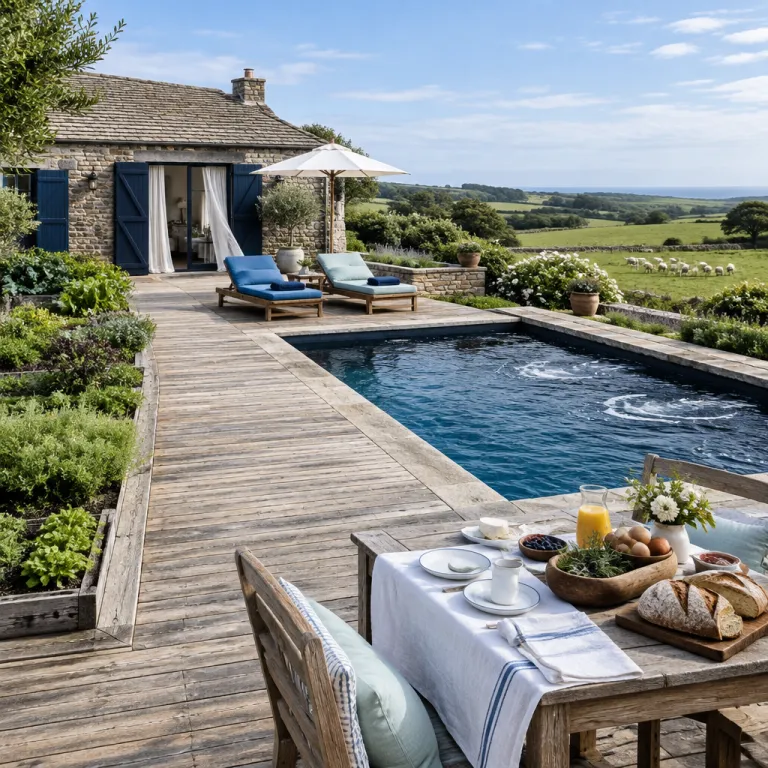
Executives extending a business trip want more than a spa and a view; they want a stay that recalibrates their pace of life and reconnects them with food systems. A carefully curated luxury farm stay premium agritourism experience can do that through private farm tours, chef led tastings at the farm table, and quiet time by a 21 metre pool that looks over vineyards or olive groves instead of a car park. At several European properties, staff-to-guest ratios of 2:1 are common, with gardeners, shepherds, and winemakers all contributing to guest interaction. The best of these farm stays offer a rare combination of privacy, wellness, and farm hospitality that conventional resorts struggle to match.
What you actually pay for: from farm table to regenerative hospitality
At the top end of luxury farm hospitality, the price is justified by access, not excess. Guests are invited into agritourism operations that would usually be closed to tourism, walking through vineyards at dawn with the viticulturist or joining the shepherd as he moves flocks across the farm. This is where a luxury farm stay premium agritourism property earns its rate; the stay becomes a masterclass in rural life rather than a themed weekend.
São Lourenço do Barrocal, for example, pairs five star accommodation with a working organic estate, where the culinary programme is built around what the fields and gardens yield that week. The farm table is not a styling prop but the centre of operations, with food moving from soil to plate in a matter of hours, and guests seeing the full chain from harvest to wine pairing. The estate’s team notes that menu planning starts in the vineyard and vegetable plots, not in the kitchen, and that roughly 70% of ingredients in peak season come from within the property boundaries. When you sit down to dinner, the view from the terrace includes tractors returning from the fields, a reminder that this is a farm first and a place of hospitality second.
Wine focused agritourism shows this clearly in regions such as Piedmont, where elegant winery stays in storied vineyard landscapes, like those featured in refined vineyard farm stays in Piedmont, combine cellar tours with serious culinary experiences. Here, the agritourism market rewards properties that keep their operations transparent, letting guests taste the economic impact of weather, soil, and grape variety in each glass. For business travellers used to reading a market report, this direct connection between land, cash flow, and flavour can be as compelling as any spa treatments, especially when winemakers share yield figures, ageing decisions, and the financial risk behind each vintage.
The tension between five-star service and real working farms
There is a fine line between luxury hospitality and stage set rural tourism, and the best farm stays know exactly where they stand. When a farm stay adds a concierge, a wellness director, and a tasting room, the risk is that agritourism operations become a backdrop rather than the core of the stay. Guests may enjoy the view of vineyards or orchards, but if they never meet the farmer, the experience drifts back toward a conventional resort.
Finca La Donaira in Andalucía and Azuma Farm Koiwai in Japan address this tension by putting agriculture at the centre of their narrative and their pricing. At La Donaira, rare cattle breeds, biodynamic fields, and a 21 metre pool coexist with a slower pace of service, where staff follow the rhythm of the farm rather than a rigid hotel script. The owners describe their approach as “farm time first, guest schedule second”, which means that guests might be invited to watch a foal being born even if it interrupts a planned tasting. At Azuma Farm Koiwai, Adrian Zecha’s design frames the rural landscape as the main asset, proving that a luxury farm stay premium agritourism property can offer impeccable accommodation while keeping guests close to the realities of working farms.
On Sardinia, refined agriturismi such as those highlighted in curated agriturismo farm stays for coastal and countryside escapes show how Mediterranean farms big and small can balance spa treatments with olive harvests and cheese making. The most successful stays offer guests a clear view of daily operations, from milking to pruning, while still delivering the level of wellness and culinary care that high paying people expect. In several family run agriturismi, owners report that limiting capacity to fewer than 20 guests allows them to keep the farm visible and accessible, while still maintaining the standard of service that justifies premium rates.
Why executives trade boardrooms for barns: wellness, pace, and perspective
For business travellers, the appeal of an $800 a night farm stay is rarely about thread count alone. After days of meetings and market presentations, the chance to reset on a rural estate, where the pace of life follows milking times and harvest windows, offers a different kind of wellness. Instead of a generic spa, they find spa treatments that use herbs grown metres away and food that reflects the farm’s own seasonal report.
In regions from north Carolina to South Africa, a new generation of luxury farm stays offer executives the privacy of a villa with the grounding effect of working farms. A stay might include early morning walks with the farmer, a farm table breakfast where eggs are still warm, and an afternoon spent understanding how agritourism operations support local cash flow and rural employment. One South African estate, for instance, reports that agritourism now funds 40% of its labour costs, allowing it to keep full time staff through drought cycles. These experiences turn abstract industry trends about sustainable tourism into something tangible, as guests see how their presence affects economic impact on the ground.
For many people, the most valuable part of a luxury farm stay premium agritourism experience is the enforced slower pace. Emails still arrive, but the real messages are delivered inbox style by the landscape itself; the changing light, the sound of animals, the rhythm of planting and harvest. Executives leave not only rested but with a clearer view of how growth rates, in both business and agriculture, must respect natural limits, and some return home with concrete ideas for pacing their own teams and projects more sustainably.
How to choose a luxury farm stay that is worth the rate
Not every property charging $800 a night has earned the right to call itself a luxury farm. Some have allowed the pull of high end tourism to dilute their agricultural identity, turning fields into mere scenery and pushing real operations off site. When you are choosing where to stay, the first question should always be whether the farm stays offer genuine access to working farms or just a curated view.
Look for clear evidence that agritourism operations are central to the business model, not an afterthought added to capture a slice of the agritourism market. Serious properties will be transparent about how guest stays support cash flow for the farm, from funding regenerative practices to maintaining heritage orchards, and they will often share a simple report on their environmental and social impact. In many cases, owners can point to specific projects—such as replanting hedgerows, restoring dry stone walls, or converting to organic certification—that were financed directly by premium room rates. When a place talks only about design, spa treatments, and room categories, with no detail on crops, breeds, or soil, you are probably paying city luxury prices for rural themed accommodation.
Curated platforms such as farmstayplace.com’s selection of elegant luxury rentals in farm and coastal landscapes can help filter properties where farm hospitality is more than a marketing line. These listings highlight stays where the culinary programme, wellness offering, and guest experience are all anchored in the daily operations of the land. When you find a luxury farm stay premium agritourism property that meets this standard, the price reflects not only the room but the rare privilege of inhabiting a living, working landscape for a few days.
FAQ
What makes a luxury farm stay different from a standard five-star hotel ?
A luxury farm stay combines high end accommodation with access to real agricultural operations, from vineyards and orchards to livestock and kitchen gardens. Guests are invited into daily farm life through tours, tastings, and farm table meals that use food grown on site. The result is an experience where the rural landscape, not the lobby, is the main attraction.
How can I tell if a farm stay is a genuine working farm ?
Authentic working farms will describe their crops, animals, and agritourism operations in detail, often sharing how guest stays support cash flow and long term land management. Look for specific references to planting, harvest, breeding, and soil practices rather than vague mentions of “country views”. If possible, ask whether you can join a farm tour or seasonal activity during your stay.
Are luxury farm stays suitable for business travellers on tight schedules ?
Many luxury farm stays are ideal for executives extending a business trip by a few days, especially those located within a short drive of major airports or cities. These properties offer reliable connectivity and professional hospitality while still delivering a slower pace of life and meaningful wellness experiences. A carefully chosen farm stay can turn a routine work trip into a restorative break without adding complex logistics.
Do premium farm stays always include spa treatments and wellness programmes ?
Not all luxury farm stays offer full spa facilities, but many integrate wellness through nature based activities, outdoor bathing, and food that reflects the farm’s own seasonal rhythm. When spa treatments are available, they often use ingredients grown on the property, such as herbs, olives, or grapes. If wellness is a priority, check in advance whether the stay offers the specific services you value.
Why are some agritourism properties as expensive as city luxury hotels ?
High end agritourism properties often operate on large rural estates with low room counts, high staff to guest ratios, and significant investment in land restoration and animal welfare. The rate reflects not only the room but the cost of maintaining working farms, funding regenerative practices, and limiting guest numbers to protect the landscape. For many travellers, that combination of privacy, authenticity, and environmental responsibility justifies a price comparable to top tier urban hotels.