From field to plate: what zero food miles really look like
Zero food miles at true farm to plate travel destinations is not a slogan. It is a daily discipline where every farm, kitchen, and guest stay is choreographed around what the soil is willing to give. This is the point where a romantic farm vacation becomes a precise hospitality experience, shaped by weather, labour, and time.
On these properties, the menu starts in the field, not at the table. Chefs walk the rows at first light, assessing which types of organic produce are ready, which parts of the working farm need to rest, and which crops can sustain both food production and seed for the next season. The result is a constantly shifting series of farm experiences where no two dinners, or farm stays, are quite the same.
Logistics are refreshingly short yet surprisingly complex in real life. A destination farm that promises a farm table menu built on zero food miles must balance fresh abundance with lean weeks when storms flatten crops or frost bites the leaves. This is where chef and farmer function as one team, adjusting family style suppers, special events, and even lodging occupancy to match what the land can genuinely offer.
For couples planning a farm stay vacation, this means embracing flexibility. You may arrive expecting tomatoes and instead be guided toward brassicas, grains, or long stored roots that define winter farm life in that country. The reward is food that tastes of place and season, and a stay that feels anchored in the working rhythms of a vacation farm rather than in a generic resort timetable.
Peru’s Sacred Valley: altitude, heritage crops, and the Andean table
In Peru’s Sacred Valley, the farm to plate travel destinations philosophy is amplified by altitude. Inkaterra Hacienda Urubamba, a luxury lodge in Huayoccari, sits in a broad valley where a ten acre plantation of corn, quinoa, and medicinal herbs is cultivated with oxen and hand tools, turning every guest stay into a living lesson in Andean farm life. Here, the working farm is not a backdrop but the central character.
Guests are invited into the fields to harvest their own ingredients, guided by local farmers who understand the thin air and intense light better than any agronomy textbook. You feel the effort of each step, the weight of the tools, and the reality that this food system has survived for centuries without industrial shortcuts. The phrase “A process connecting food production directly to consumption.” becomes tangible as you carry your basket from furrow to kitchen.
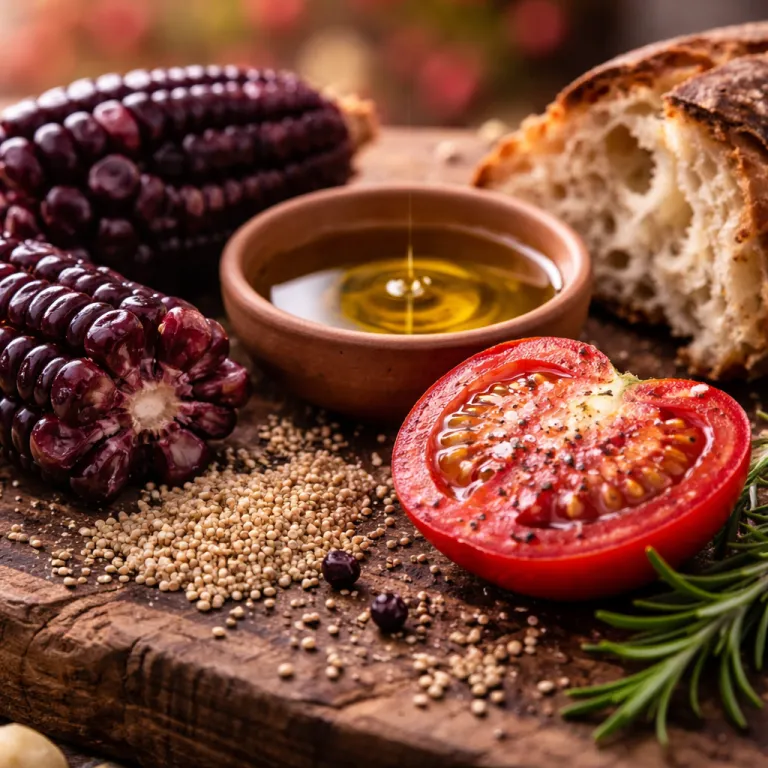
Menus at the hacienda’s farm table are written around heritage varieties of maize and quinoa, rather than around imported luxuries. Chefs lean into the constraints of the highland country, using traditional cooking methods to coax depth from potatoes, grains, and herbs that have adapted to this altitude over generations. This is farm experience as cultural immersion, where every plate tells a story about resilience, climate, and indigenous knowledge.
For couples, the romance lies less in staged décor and more in shared chores activities that echo real farm chores, from helping with planting rows to sorting harvested ears of corn. A farm vacation here might include guided walks with tour guides who explain how planting and harvest seasons dictate local festivals and events. It is an intimate, soil level way to understand why the Sacred Valley remains one of the world’s most compelling farm vacations for travellers who care about origin as much as flavour.
These Andean farm stays also highlight how a working farm can support both lodging and community. Revenue from each vacation farm stay helps sustain traditional methods that keep chemical inputs low and biodiversity high. For travellers used to a bed breakfast format, the depth of engagement here feels closer to a residency in rural life than to a standard hotel night.
When you plan this leg of your travel, check seasonal availability carefully. The main dry season, roughly May through September, offers the clearest skies and most reliable access to fields, while shoulder months can be wetter but quieter. Booking tours and chef led activities at least two to three months in advance improves your chances of securing preferred dates, especially during June to August.
For a broader view of how zoning and guest caps can shape a destination farm in the United States, the debate around Skagit County’s fifty guest limit shows how policy can either protect or constrain working farms that open their gates to travellers. In Skagit County, Washington, proposals have focused on capping daily visitor numbers for events to preserve farmland and manage traffic. Because local ordinances and planning documents change over time, it is worth checking the most recent county records or tourism board summaries if you want to verify current rules and see how they affect specific properties. In practice, the most honest farm stays are those where the constraints are visible and openly discussed, not hidden behind marketing language.
Norway’s Boen Gård and the northern art of seasonal constraint
Move north to Norway and the farm to plate travel destinations ethos meets Arctic light. At Boen Gård, a historic estate near Kristiansand on the southern coast, the restaurant sources almost entirely from its own gardens, orchards, and nearby waters, turning short summers into a masterclass in preservation. This is a working farm where the calendar is as important as the menu.
During the growing season, typically from late May through September, the kitchen team and gardeners operate as a single organism. They plan which types of vegetables will be served fresh, which will be fermented or cellared, and how each harvest can stretch across the long winter without compromising flavour or nutrition. Guests staying on the property witness a food production cycle that treats every crate of organic produce as both tonight’s dinner and next season’s insurance policy.
Dining here feels like being invited to a private family style celebration, even if you are travelling as a couple. The farm table is set with a restrained elegance that lets the food speak, from just pulled roots to fish caught within sight of the property. You taste a food system that has learned to thrive within tight climatic limits, turning scarcity into creativity rather than into compromise.
For travellers used to more temperate farm vacations, the Norwegian approach reframes what a farm stay can offer. There may be fewer visible animals or classic farm chores, yet the intellectual and sensory experiences are rich, especially if you are curious about preservation, fermentation, and low waste cooking. This is farm life as a study in patience, where time in the pantry matters as much as time in the field.
Couples choosing Boen Gård as part of a longer vacation farm itinerary often pair it with more animal focused properties in the United States or New Zealand. Sheep stations in New Zealand, for example, have reinvented the traditional farm stay for a new generation, blending rugged landscapes with refined lodging and deeply local food. That contrast highlights how different countries translate the same farm experience philosophy into distinct, regionally grounded stays.
What unites these northern and southern hemisphere farms is a refusal to fake seasonality. If the land cannot provide a particular ingredient at a given time, it simply does not appear on the table. For discerning guests, that honesty is part of the luxury, and it turns each stay into a lesson in how real life agriculture shapes what is possible on the plate.
From Devon to New Jersey: Anglo American expressions of the farm table
Across the Atlantic, the farm to plate travel destinations thread continues in quieter corners of the United Kingdom and the United States. In Devon, Fowlescombe Farm, an organic mixed farm near Ugborough, weaves together fields, woodlands, and kitchen gardens to create a menu dictated almost entirely by the land. Guests are invited into hands on experiences that range from foraging walks to gentle livestock encounters, turning a simple stay into a layered farm experience.
The property’s working farm status is not a marketing flourish. Livestock rotations, hedgerow management, and soil health plans all influence which dishes appear on the farm table, and on which nights. Couples who book a farm stay here quickly learn that flexibility is essential, because the most memorable meals often arise from last minute decisions based on what the farmers and chefs find that morning.
On the other side of the Atlantic, The Farm at Glenwood Mountain in New Jersey offers a different yet complementary expression of the same philosophy. Chef and farmer Steve MacLean creates seasonal farm dinners from on site produce, treating each event as both a celebration and a snapshot of the farm’s current state. For guests, this is a chance to see how a destination farm in the United States can balance hospitality with the realities of a working farm business.
Here, the line between restaurant and field is deliberately thin. You might spend the afternoon walking past vegetable rows and heritage breeds before sitting down to a family style supper that reflects those exact ingredients. This is where the term farm vacations earns its meaning, as couples fold a deep engagement with food and land into their broader travel plans.
Both Fowlescombe and Glenwood show how Anglo American farms are rethinking lodging. Instead of anonymous rooms, you find converted barns, farmhouse wings, or intimate bed breakfast suites that keep you close to the daily pulse of farm life. The comfort level is high, yet the design choices always point back to the land rather than away from it.
If you are mapping a longer itinerary, consider linking these properties with a historic bed and breakfast in a place like St Augustine, where agrarian history and coastal food traditions intersect in nuanced ways. Such combinations allow you to experience different types of rural stays, from intensive working farm immersion to gentler, heritage focused retreats. The common thread is a respect for provenance and a willingness to let the land set the pace of your vacation.
Design, participation, and how to choose your own farm trail
For couples planning a route from the Sacred Valley to Tuscany and beyond, the most rewarding farm to plate travel destinations share three traits. First, chef and farmer operate as a single creative unit, shaping menus around what the farm can genuinely offer at any given time. Second, guests are invited into meaningful participation, whether through guided tours, cooking classes, or light chores activities that reveal how food moves from soil to plate.
Third, the design of the lodging quietly reinforces the primacy of the land. You might sleep in a restored farmhouse, a converted granary, or a low slung lodge that frames views of orchards and fields rather than of parking lots. The luxury lies in proximity to farm life and in the quality of the food, not in distancing you from the realities of a working farm.
When comparing properties, look beyond generic promises of fresh food. Ask how many crops are grown on site, how they manage their food system in lean months, and whether they rely on external suppliers for key ingredients. A serious destination farm will be transparent about these details, and will often be proud to explain how their food production supports both the environment and the local community.
For families, some farms also offer gentle summer camp style programmes where children can engage with animals, gardens, and simple farm chores in a supervised way. These experiences turn a standard farm vacation into an education in real life ecology and responsibility. Many tours are suitable for children, and “Yes, many tours offer family-friendly activities.” is more than a reassurance; it is a design principle for properties that want to welcome multi generational groups.
As you refine your itinerary, remember that the most popular farms are not always the most authentic. A smaller vacation farm with fewer rooms and a tighter integration between field and kitchen can often deliver a deeper, more personal stay. Prioritise places where the owners still walk the land daily, where events are shaped by the harvest rather than by marketing calendars, and where your presence supports the long term health of the farm.
Finally, treat this trail as a living culinary journey rather than a checklist. From Peru’s terraces to Norway’s orchards, from English hedgerows to American hillsides, each stop offers its own interpretation of farm life and of what a farm stay can be. Choose with care, travel with curiosity, and the world’s most compelling farm to plate trail will reward you with meals and memories that feel both grounded and quietly extraordinary.
FAQ: planning a luxury farm to plate itinerary
What is farm to plate in the context of travel ?
In travel, farm to plate means staying on or near a farm where most of the food served has been grown, raised, or caught on the same property or within the immediate region. It connects your lodging, your meals, and your daily experiences directly to the surrounding landscape. As one clear definition puts it, “A process connecting food production directly to consumption.”
How can I participate in a farm to plate tour during my stay ?
You can usually book farm to plate tours through local tour operators, culinary organisations, or directly with the farm stay. Many properties offer guided walks, cooking classes, and visits to working farms as part of their package or as optional add ons. “Book through local tour operators or culinary organizations.” remains sound advice when you want structured, well hosted experiences.
Are farm to plate farm stays suitable for children and families ?
Most farm stays that focus on food and agriculture are very welcoming to families, and many design specific activities for younger guests. Children can often help with light farm chores, meet animals, or join garden based workshops that feel like a gentle summer camp. As one reliable guideline notes, “Yes, many tours offer family-friendly activities.”
How long should I plan for a multi stop farm to plate vacation ?
For an itinerary that links regions such as the Sacred Valley and Tuscany, a minimum of seven to ten days allows you to experience both farms and surrounding culture without rushing. Data from tour operators shows that the average culinary trail through multiple farms lasts about one week, balancing travel time with immersive stays. If you add northern or American stops, consider extending to two weeks for a more relaxed rhythm.
What should I check before booking a luxury farm stay focused on food ?
Before confirming, ask about seasonal availability, how much of the menu comes from the on site farm, and whether there are specific events or harvest periods that might enhance your stay. It is wise to book tours and special dinners in advance, especially at smaller properties with limited seating. As a practical guideline, aim to reserve peak season dates at least three months ahead, and shoulder season stays four to six weeks in advance. Finally, make sure you are comfortable with the level of participation expected, from simple tastings to more involved field activities.