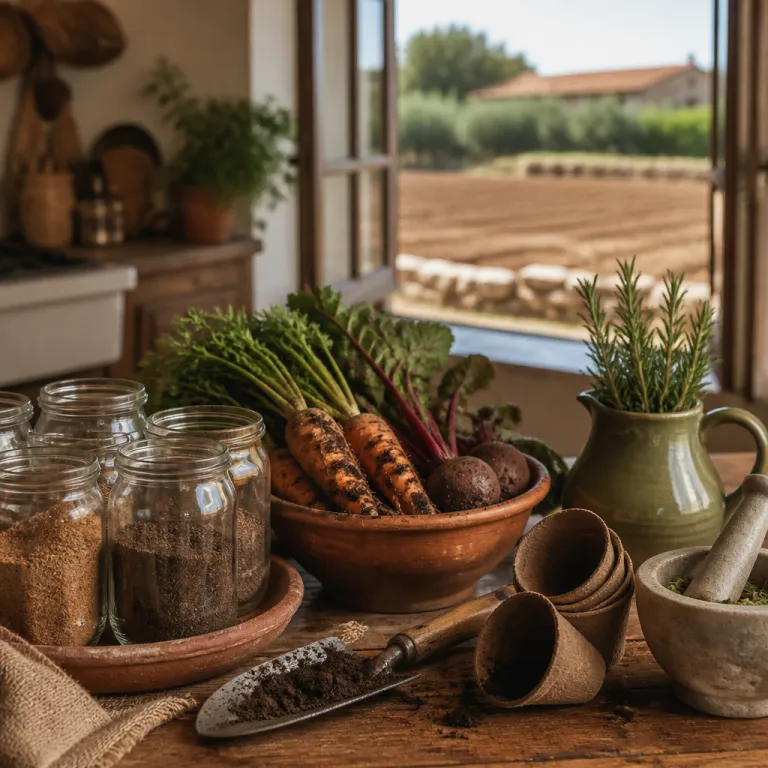
From vineyard terroir to the full farm stay table
Terroir is no longer confined to the glass of wine on your table. At the best farm stays, the phrase farm stay terroir food flavour local becomes a lived experience as tomatoes, eggs, and milk cheese arrive from just a few metres away. Couples who care about real flavor quickly realise that the most romantic place for dinner might be a quiet family farm rather than a crowded city restaurant.
On a working farm, terroir means the specific mix of soil, altitude, wind, and water that shapes everything from duck breast to the herbs in the garden. The meaning terroir extends beyond wine and into every plate of food, every pour of coffee, and every drizzle of olive oil that reaches your breakfast table. When you choose farm stays that take sustainable farming seriously, you taste a landscape rather than a generic recipe, and the difference is immediate.
Think of agritourism as the bridge between curious visitors and the daily rhythm of farming. A thoughtfully run inn on a family farm will gladly walk you through the fields before dinner, explaining how regenerative agriculture practices change the structure of the soil and, in turn, the flavor of the vegetables. That is where the phrase farm stay terroir food flavour local stops being a search term and becomes a sensory map of the place under your feet.
How soil, altitude, and microclimate season your plate
Stand in the vegetable garden at Eumelia in the Peloponnese and you feel the terroir before you taste it. The farm sits on gently sloping land where olive trees, herbs, and small plots of vegetables share space with family farms nearby, and the air carries both sea salt and wild thyme. When dinner arrives, the farm stay terroir food flavour local story is told through plates of organic greens, slow cooked beans, and local food that tastes as if it could not come from any other place.
Altitude and exposure matter as much for tomatoes and milk cheese as they do for wine. On higher farms in Tuscany, such as Poderaccio, cooler nights slow ripening, giving the fruit a tighter, more focused flavor that chefs translate into simple food wine pairings at the house table. Long ago, farmers understood that a south facing slope meant sweeter fruit and richer milk, and the best modern farm stays are simply returning to that knowledge with the language of sustainable farming and regenerative agriculture.
Couples booking a romantic inn on a family farm should ask very specific questions about terroir. Which fields supply the vegetables for the tasting menus, and how does the soil differ from the pasture where farm animals graze ? Do local farms in the visitors state share the same limestone base, or does one corner of the valley have more clay, giving a different texture to the milk cheese and a deeper color to the olive oil ? The more precisely a host can answer, the more likely your farm stay terroir food flavour local expectations will be met.
For families travelling with children, properties that put soil and flavour at the centre of the stay can be transformative. Some of the most rewarding options are highlighted in this guide to farm retreats where children lead the morning rounds, where young guests help collect eggs and taste the difference that fresh feed and pasture make. Those early morning walks through the garden and barns turn abstract ideas about terroir into memories that feel very real.
The difference between serving produce and explaining why it tastes that way
Not every farm stay that serves its own food is equally transparent about why it tastes so distinctive. The most compelling properties treat each meal as a quiet seminar in farm stay terroir food flavour local, connecting the dots between soil tests, crop rotation, and the plate in front of you. They move beyond the vague promise of local food and into a precise explanation of what terre meaning and meaning terroir actually imply for your dinner.
At Eumelia, staff talk openly about regenerative agriculture, explaining how cover crops and minimal tilling keep carbon in the soil and moisture near the roots. Guests hear how this approach changes the flavor of carrots and leafy greens, and why the same variety grown on neighbouring farms might taste flatter if the farming relies on heavy inputs. In Tuscany, Poderaccio’s team will gladly show you the olive oil mill and discuss how harvest timing and altitude influence both aroma and texture, turning a simple tasting into a masterclass in sustainable farming.
Honest menus are the litmus test. A serious inn on a working family farm will clearly state which ingredients come from their own fields, which are sourced from local farms, and which must be brought in from further east or from another visitors state because of climate limits. When a host explains that the duck breast is from a neighbouring family farm while the vegetables and milk cheese are from their own garden and dairy, you can trust that the phrase farm stay terroir food flavour local reflects reality rather than marketing.
For travellers interested in how agritourism policy shapes these experiences, it is worth reading about Utah’s landmark agritourism investment. That visitors state level support for farms and farm stays shows how public funding can encourage more transparent, soil focused hospitality. When real estate values rise and pressure land, such policies can help keep family farms viable and committed to flavour driven, sustainable farming.
Livestock rotation, dairy nuance, and the taste of animal life
Terroir is not only about vegetables and vines ; it is written into the milk, meat, and eggs that come from carefully managed farm animals. On a well run family farm, livestock rotation across different pastures changes the mix of grasses and herbs the animals eat, and that diet shapes the flavor of everything from duck breast to aged milk cheese. Farm stays that take this seriously give couples a rare chance to taste how farming decisions echo through every bite.
Regenerative agriculture encourages moving cattle, sheep, and poultry frequently, allowing fields to rest and soil life to rebound. This approach, now visible at forward thinking farms from Greece to New Zealand, creates richer pastures and more complex fat profiles in meat, which guests notice immediately during food wine pairings at the inn’s restaurant. Long ago, before synthetic fertilisers, this kind of rotation was simply how farming worked, and the best modern farm stays are rediscovering its flavour benefits while also improving soil health.
When you book a farm stay, ask how the animals live and eat. Do chickens range freely through the garden, cleaning up pests and fertilising the soil, or are they confined to a small corner of the farm where their impact is limited ? Are dairy cows moved across different fields, or kept near the house for convenience, and how does that choice influence the farm stay terroir food flavour local character of the milk cheese served at breakfast ?
Some properties go further, inviting guests to join morning milking or evening feeding rounds. These moments, often accompanied by a simple cup of coffee and still warm milk, show how closely animal welfare, sustainable farming, and flavour are linked. For couples, sharing that quiet walk back to the inn, past the sleeping fields and the dark outline of the house, can be as memorable as any elaborate tasting menus in the city.
Why farm kitchens and classes outteach Michelin stages
Cooking beside a farmer in a small kitchen on the property teaches you more about terroir than a week in a Michelin level restaurant. At places like Poderaccio and Eumelia, hands on classes turn the abstract idea of farm stay terroir food flavour local into something you can smell, chop, and season. You learn why the same recipe cooked back home, far from these farms, will never taste quite the same.
In these classes, the chef often begins not at the stove but in the garden. Guests walk through rows of vegetables and herbs, tasting leaves and smelling soil, while the host explains how terre meaning “earth” is not a metaphor but the literal base of every flavour. When you pick tomatoes still warm from the sun and then slice them minutes later in the house kitchen, the meaning terroir becomes obvious in the way the fruit resists the knife and floods the board with juice.
Good farm stays also teach restraint. You see how a plate of grilled vegetables, a piece of simply cooked duck breast, and a drizzle of olive oil can stand on their own when the ingredients come from healthy soil and sustainable farming systems. Food wine pairings focus on harmony rather than showmanship, and the inn’s restaurant often serves tasting menus that change daily, depending on what the family farms and local farms have harvested that morning.
For couples planning a trip, look for properties where the farmer, not just a visiting chef, leads the class. A host who can talk about regenerative agriculture, crop rotation, and the history of family farms in the visitors state will gladly answer detailed questions about how long ago practices shaped today’s flavours. That is the kind of real, soil level expertise that separates a marketing driven agritourism experience from a genuinely educational farm stay.
Choosing terroir driven farm stays: what to ask before you book
Selecting a farm stay that truly reflects farm stay terroir food flavour local begins long before you arrive. The most reliable properties are usually family farms or small inns where the owners live on site and treat hospitality as an extension of their farming. When browsing listings on a luxury and premium platform, read carefully for clues about real farming activity rather than just rural real estate styling.
Start with the basics. Ask what percentage of the restaurant’s menu comes from the farm itself, what is sourced from neighbouring local farms, and what must be brought in from further east or from another visitors state because of climate or season. A serious host will gladly break down the numbers and explain how sustainable farming and regenerative agriculture shape both the garden and the grazing land.
Next, look at how the property talks about agritourism. Do they mention specific crops, farm animals, and soil types, or do they rely on generic phrases about nature and fresh air ? Are there references to long ago family traditions, such as saving seed or making milk cheese in the same stone house where guests now sleep, that connect the present inn to its farming past ? These details indicate whether the phrase farm stay terroir food flavour local is a guiding principle or just a marketing line.
For couples who value both comfort and authenticity, some of the most compelling options appear in this elevated guide to luxury farm rentals. Properties there show how thoughtful design can coexist with working fields, early morning coffee in the garden, and dinners built around tasting menus that honour the soil. When you find a place where the owners speak fluently about terroir, family farms, and sustainable farming, you know your stay will be anchored in the real flavours of the land.
Where terroir hospitality is heading next
The future of agritourism is being written in kitchens where the distance between soil and plate is counted in steps, not kilometres. As culinary tourism grows, couples are seeking farm stays that offer more than scenery, asking instead for farm stay terroir food flavour local experiences that feel grounded and specific. This shift rewards farms that invest in regenerative agriculture, transparent sourcing, and guest education.
Properties like Eumelia and Poderaccio show one path forward, but similar stories are emerging from local farms in the American east, from cider focused family farms in New England to dairy driven inns in the Pacific Northwest. In each visitors state, the most interesting places are those where owners talk as comfortably about soil tests and cover crops as they do about room categories and check in times. Long ago, such knowledge was assumed on any farm ; now it is a mark of distinction in a crowded hospitality landscape.
For travellers, this evolution means more choice but also more responsibility. Booking a stay at a working family farm or a cluster of farm stays that prioritise sustainable farming is a vote for landscapes where flavour and ecology reinforce each other. When you sit down to breakfast, with coffee in hand and olive oil glinting on toast, you are tasting not just a place but a set of decisions about farming, land use, and what terre meaning “earth” should signify in modern hospitality.
Key figures shaping terroir focused farm stays
- The global culinary tourism market is projected to reach around 40.5 billion dollars by the end of the decade, showing how strongly travellers now prioritise food centred experiences when choosing where to stay (source: recent market research on culinary tourism growth).
- Multi course farm dinners and on site cooking classes are identified among the most sought after agritourism experiences worldwide, indicating that guests increasingly value direct contact with farms and farmers over traditional restaurant dining (source: Agritecture trends analysis on agritourism).
- In many European regions, small family farms still account for a majority of agricultural holdings, which means that supporting farm stays can directly help preserve local food cultures and rural landscapes (source: European agricultural structure surveys).
- Properties that adopt regenerative agriculture practices, such as cover cropping and rotational grazing, have reported measurable improvements in soil organic matter within a few seasons, which correlates with more resilient crops and richer flavours on the plate (source: published case studies on regenerative farming outcomes).
- Destinations that invest public funds in agritourism infrastructure and marketing, as seen in recent state level programmes in the United States, tend to see increased visitor spending in rural areas and stronger demand for terroir driven farm stays (source: state tourism and agriculture department reports).
FAQ about terroir driven farm stays
How is terroir different for farm stays compared with wine estates ?
On a farm stay, terroir influences not only grapes but every element of the meal, from vegetables and herbs to eggs, meat, and milk cheese. Soil type, altitude, and microclimate shape the flavour of each ingredient, and guests can often walk the fields that produced their dinner. Wine estates focus mainly on the vineyard, while farm stays extend the concept across the entire farming system.
What questions should I ask before booking a terroir focused farm stay ?
Ask what percentage of the menu comes from the farm itself and what is sourced from neighbouring local farms. Request details about farming practices, such as whether they use regenerative agriculture, rotational grazing, or organic methods, and how those choices affect flavour. It is also helpful to ask if the owners or farmers lead garden walks, tastings, or cooking classes that explain the link between soil and food.
Can a farm stay be luxurious and still run as a real working farm ?
Yes, many properties now combine high comfort levels with active farming, offering well designed rooms, thoughtful service, and serious kitchens alongside daily agricultural work. The key is that hospitality supports, rather than replaces, the core farming activity, so guests see real fields, real animals, and real production. When done well, this model allows couples to enjoy premium amenities while staying closely connected to the land.
How do cooking classes at farm stays differ from urban cooking schools ?
Farm based classes usually start in the garden or fields, where guests pick ingredients and learn how soil, weather, and farming choices shape flavour. Recipes are built around what is in season on that specific farm, so the same dish might taste different from week to week. Urban schools can teach technique, but farm stays add a layer of terroir understanding that is difficult to replicate in the city.
Are all farm stays equally committed to sustainable farming ?
No, commitment varies widely, which is why careful research matters. Some properties fully embrace sustainable farming and regenerative agriculture, while others focus more on décor and rural ambience than on soil health or local food systems. Reading detailed descriptions, asking direct questions, and favouring places that explain their practices clearly will help you choose stays where terroir and sustainability genuinely guide the experience.