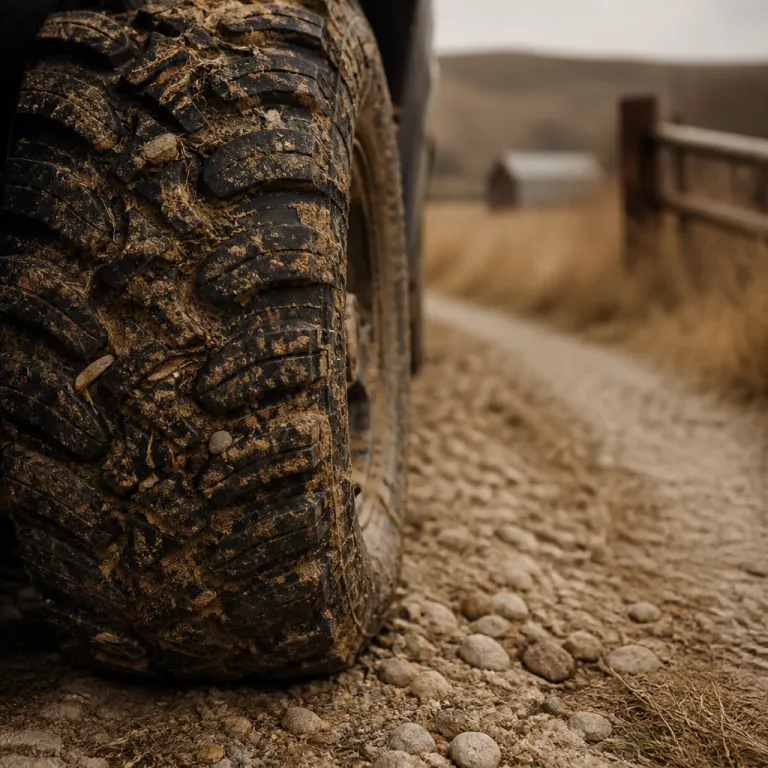
When the journey becomes the filter for remote farm hotel luxury 2026
Remote farm hotel luxury 2026 is built on a simple idea ; distance is a feature, not a flaw. The newest luxury hotels on working land use remoteness as a quiet gatekeeper, shaping which guest is willing to invest time, money, and attention in the journey. For couples planning travel, that means the best experience often starts long before the first welcome drink at the farm table.
Reaching a remote luxury hotel on a farm usually involves at least two legs, such as a Shinkansen ride followed by a one hour drive or a regional flight plus a gravel road transfer. This extra step filters for travellers who value stillness, food systems, and landscape as much as a five star restaurant or hot springs spa. In practice, the property ends up with fewer one night stays and more guests who treat the stay as a full immersion in luxury hospitality rather than a quick stop between cities.
For operators, this deliberate distance changes the image of what the best hotels on farmland can be. A remote property can keep a tighter closed loop between fields, kitchen, and rooms, because the guest is not rushing out to the city for dinner or shopping. That dynamic supports regenerative agriculture on site, whether you are at a blackberry farm in the American South or a vineyard estate in Alentejo Portugal, and it gives couples the rare feeling that the entire hotel exists at their pace.
The Zecha blueprint at Azuma Farm Koiwai and the rise of place rooted luxury
Azuma Farm Koiwai in Japan’s Iwate Prefecture is the clearest expression of remote farm hotel luxury 2026 so far. Designed by Adrian Zecha, the founder of Aman Resorts, the farm Koiwai project sits on historic land that has supplied milk and produce to Tokyo for generations, yet the hotel remains a full hour by car from the nearest airport. That distance is intentional ; it lets the property protect its agricultural rhythm while offering only 24 rooms that feel more like a private homestead than a conventional hotel.
The choice of Iwate over more familiar Hokkaido signals a commitment to place rooted luxury hospitality rather than postcard fame. Guests arrive after a Shinkansen journey and a slow drive through fields, then step into a kitchen and restaurant culture that treats every farm table as a stage for local food systems. Here, the best farm experiences are not about a Michelin star label but about the courtesy of a farmer explaining why the azuma farm potatoes taste different after the first frost.
This Zecha playbook echoes what properties like São Lourenço do Barrocal in Alentejo Portugal have refined for years, where the hotel and the surrounding fields operate as one property rather than separate entities. Couples who time their travel for harvest season can feel this most clearly, especially during long suppers where the menu changes nightly according to what the team pulled from the soil. For a deeper sense of how seasonal farm table culture shapes the year’s most coveted reservations, look to guides on harvest supper season at farm stays, which mirror the same philosophy now arriving in more remote hotels.
Economics of distance ; land, logistics, and the quiet cost of romance
Behind the romance of remote farm hotel luxury 2026 sits a hard headed economic equation. Land on the rural fringe is cheaper than plots near a capital city, which allows a luxury hotel to secure hundreds of hectares for regenerative agriculture, hot springs, and wildlife corridors. Yet every extra kilometre from the airport raises the cost of staff transfers, supply chains, and even the courtesy vehicles that shuttle each guest to the property.
Operators talk about a closed loop model, where the farm, kitchen, and rooms reduce dependence on outside suppliers by growing or raising as much as possible on site. This is where regenerative agriculture becomes more than a marketing phrase, because the best hotels in this category invest in soil health, compost systems, and low waste kitchens that stabilise long term costs. For couples, the benefit is tangible ; the farm table menu feels alive, the restaurant team can explain every ingredient, and the image of luxury shifts from imported caviar to a blackberry tart made with fruit picked that morning.
Remote properties in regions like South Africa or the American South face another layer of complexity, balancing luxury hospitality standards with rural infrastructure. A luxury hotel in South Africa that sits three hours from Cape Town may pay less for land than a coastal resort, but it must budget for private water systems, on site power, and longer staff commutes. If you are planning travel to such hotels, resources that unpack shoulder season dynamics, such as this guide to September on a farm and the finest guest experience, can help you understand when the balance between cost, crowd levels, and harvest activity is at its best.
How different travellers read the phrase “hard to reach”
Remote farm hotel luxury 2026 does not mean the same thing to every traveller. For a couple planning an anniversary, a two hour drive through vineyards or a transfer along a gravel road in South Africa can feel like a prelude to intimacy. For a family with small children, the same journey may look like an obstacle, especially when the property has only a handful of rooms and limited childcare.
Couples tend to value the way distance edits the guest mix, because fewer transient visitors mean quieter pools, longer dinners, and more attentive service at the farm table. They are often the ones booking the best farm suites, asking detailed questions about the kitchen garden, and treating the restaurant as the centrepiece of the stay rather than an afterthought. In this context, luxury hotels that lean into remoteness can design programming around slower mornings, guided walks through fields, and intimate tastings that would be impossible in a city hotel.
Families and multigenerational groups often prioritise ease of access, which is why some of the best hotels for them remain closer to airports or rail hubs. Properties like Hotel del Coronado in California or large orient express branded resorts near major cities trade deep farm immersion for simpler logistics, yet they still borrow elements of farm life through partnerships with nearby producers. If you are a couple who wants the romance of distance without total isolation, consider pairing a remote farm stay with a more accessible coastal property, such as the oceanfront elegance reviewed at this Pauoa Beach Club guide, to balance seclusion and convenience in a single itinerary.
From Blackberry Farm to Alentejo ; where remoteness is heading next
The template for remote farm hotel luxury 2026 did not appear overnight ; it evolved from pioneering properties that treated agriculture as the main act. Blackberry Farm in Tennessee showed how a working farm, a serious restaurant, and a deep wine cellar could sit comfortably within a five star hotel framework. Its sister property Blackberry Mountain extended that idea into wilder terrain, proving that guests would travel far for a tightly curated experience where every table, trail, and room felt intentional.
In Europe, São Lourenço do Barrocal in Alentejo Portugal refined a similar model, turning a historic estate into one of the best farm based hotels on the continent. Here, the luxury hotel identity is inseparable from the surrounding vineyards, olive groves, and kitchen gardens, and the guest experience is anchored by long meals at the farm table rather than by a single Michelin star. Across the Atlantic, properties inspired by the grand era of the Orient Express are experimenting with remote locations that pair rail journeys with stays on working land, creating closed loop itineraries where travel, lodging, and agriculture form a single narrative.
Looking ahead, regions like South Africa and rural Japan are poised to host more of these properties, with projects such as Azuma Farm Koiwai already setting the tone. The question is whether agritourism growth will push future hotels closer to cities or deeper into the countryside. For now, the most interesting openings are betting that the right guest will trade convenience for authenticity, choosing a remote property where the kitchen, the fields, and the rooms tell one coherent story of luxury hospitality.
FAQ
How remote is too remote for a farm hotel stay ?
For most couples, a remote farm hotel feels comfortable when it is within a two to three hour transfer from the nearest major airport or rail station. Beyond that, fatigue can erode the sense of romance unless the property offers seamless transfers and a clear payoff, such as exceptional food systems or access to natural hot springs. When evaluating distance, consider not just kilometres but also road quality, transfer times, and how many nights you plan to stay.
Are remote farm hotels more expensive than city luxury hotels ?
Room rates at remote farm hotels can match or exceed those of city luxury hotels, even though rural land is cheaper. The higher price reflects the cost of running a closed loop operation with regenerative agriculture, on site water and power systems, and extensive staff training in both farming and hospitality. Guests are effectively paying for a full ecosystem, not just a room and a restaurant reservation.
What should I look for when choosing the best remote farm hotel ?
Focus on how deeply the property integrates the farm into the guest experience, rather than on star ratings alone. The best hotels in this category will have a kitchen that sources primarily from their own fields, a restaurant that explains provenance clearly, and rooms that frame the landscape rather than hide it. Reading detailed reviews and looking for specific mentions of the farm table, seasonal menus, and on site agricultural practices will help you separate marketing from reality.
Is a remote farm hotel suitable for a first time trip to a region ?
A remote farm hotel can work well for a first visit if you are comfortable spending most of your time on the property. These hotels are ideal for travellers who prioritise rest, food, and landscape immersion over ticking off city sights. If you want both, consider splitting your stay between a central hotel and a remote farm property to balance exploration and retreat.
How does seasonality affect the experience at remote farm hotels ?
Seasonality shapes everything from what appears on the farm table to which activities are available in the fields. Shoulder seasons often deliver the best balance of active harvests, comfortable temperatures, and fewer crowds, which can enhance the sense of privacy that defines remote farm hotel luxury 2026. Before booking, ask the property which crops or events define each month so you can align your travel with the experiences that matter most to you.