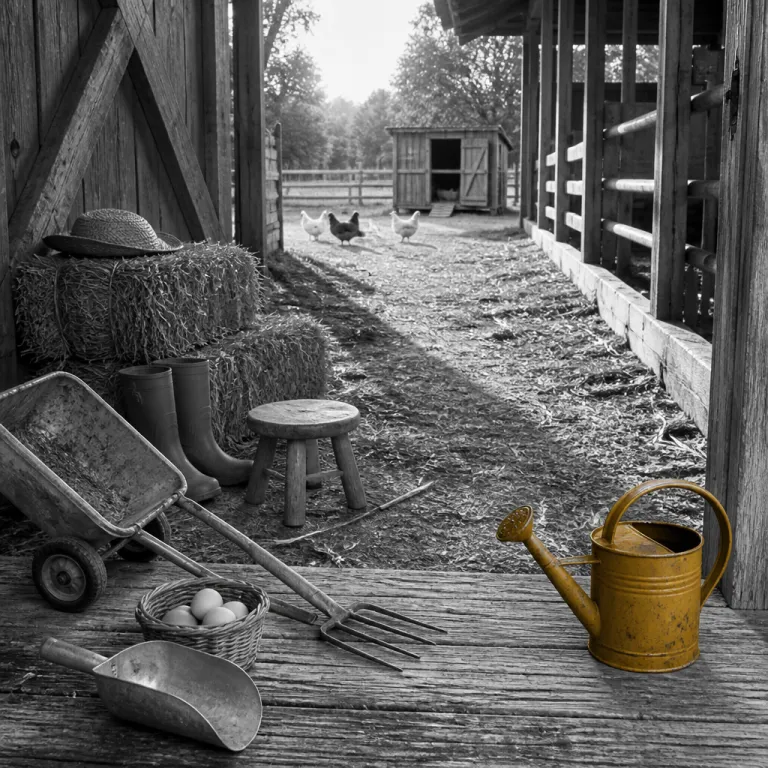
Why a family farm wellness retreat lets children set the pace
A family farm wellness retreat for children often starts before sunrise, not at a spa reception desk. When kids pull on boots for the first feed round, the stay feels instantly different from any resort where entertainment is outsourced and scheduled. This is where families realise that wellness can be woven into real farm time rather than added as a separate program.
On these wellness farm stays, the main wellbeing experience is built around the rhythms of the land, so children and parents move together through physical activities that feel purposeful rather than performative. Early animal rounds, egg collecting and seed sowing become a forest school style classroom, where each child learns through touch, smell and repetition instead of screens. For many mothers and fathers, watching their children gain confidence in this green environment is the first genuine mental and physical reset they have felt in years.
Luxury in this context is not marble but maximum privacy, a room private enough for naps yet close enough to the barn that kids can hear the soft shuffle of animals. The best family retreats understand that families need both shared quality time and quiet corners, so layouts often cluster a small estate of cabins around a central farm table and firepit. When you read property descriptions, look for language about connection with nature, sourced ingredients and locally sourced produce rather than kids’ clubs and water slides.
How morning chores become a wellness program for kids and parents
On a well run family farm wellness retreat, children are invited into the working day check rather than parked on the sidelines. Morning chores form the spine of the wellness program, with clear age brackets so each child has a task that feels achievable and safe. Parents often join the first sessions, then gradually step back as kids master the routine and families find their own rhythm.
At Blackberry Farm in Tennessee, Camp Blackberry structures these activities into themed family retreats, where children rotate between animal care, garden work and gentle forest school walks. The approach to wellness here is subtle; physical activities such as mucking out stalls or carrying feed buckets are framed as games, yet they build strength, balance and focus. Parents can watch from a distance with coffee in hand, experiencing a rare form of deep rest that comes from seeing kids fully absorbed and content.
To keep these sessions safe and calm, many structured retreats limit groups to around six to eight children per educator, with younger kids paired closely with staff or parents. Typical morning blocks last 60 to 90 minutes, with clear briefings on how to move around animals, use tools and wash hands after each task. When you read through booking pages, look for clear explanations of which activities are included, how many children can join each session and whether mothers and fathers are encouraged to participate or observe.
For travellers comparing costs, it helps to understand how these immersive retreats differ from standard rural stays, and why rates reflect labour and land stewardship rather than just a bed for the night. A typical three night family stay might allocate roughly half the price to accommodation and meals, with the remainder covering staff time for guided activities, animal care, insurance and long term soil and habitat management. Many properties now publish sample budgets or price breakdowns so families can see how much of their fee supports education, safety training and conservation work.
Designing wellness retreats where children’s activities lead the agenda
The most compelling family farm wellness retreat experiences are designed from the child’s eye level up. Instead of adding a token kids’ corner to an adult focused wellness retreat, these properties build the entire program around children’s curiosity and energy. Parents then layer their own wellness activities, such as yoga or therapies, into the same green estate without fragmenting the day.
Verdant View Farm in Pennsylvania, for example, structures its retreats so kids start with hands on farm activities while adults join or watch, then everyone regroups at a long farm table for breakfast made from locally sourced eggs and milk. Later, short yoga or yoga Pilates sessions are offered in a barn loft or under trees, with families choosing whether to stretch together or split into age based groups. This holistic approach to wellness means that mothers, fathers and children share the same landscape and schedule, yet each person’s needs are met differently.
In Europe, refined masserie in Puglia show how a working estate can host family friendly wellness retreats without losing its agricultural soul; this guide to Italian masseria farm stays in Puglia’s countryside illustrates how stone courtyards, orchards and olive groves can frame both play and rest. Whether you choose a North American dairy farm or a Mediterranean olive estate, the same principles apply for families with kids. Look for properties that publish sample day check schedules, specify which activities are suitable for each child age group and explain how mothers and children are supported if younger siblings tire early.
A simple example itinerary for a three night stay might include a 7:30 a.m. animal round, 9:00 a.m. farm breakfast, late morning garden work, a quiet rest after lunch, mid afternoon forest school play and an early evening campfire before bed. For a family of four, many mid range wellness farm stays in North America fall in the region of a few hundred dollars per night including meals and core activities, with optional therapies or private lessons priced separately.
Wellness therapies, yoga and forest school: what families should expect
Wellness on a family farm retreat rarely means a silent spa; it is more likely to involve yoga mats on grass, herbal teas at the farm table and therapies that use plants grown a few metres away. Many wellness farm properties now offer short yoga or yoga Pilates classes designed for mixed ages, where kids wobble through tree pose while parents finally exhale. These sessions are usually scheduled after the most energetic physical activities, when children are pleasantly tired and more open to stillness.
Some estates integrate forest school principles into their wellness retreat program, turning woodland edges and hedgerows into classrooms. Children might follow an educator to identify medicinal herbs, learn how compost works or read stories about soil life while sitting under an oak tree. For mothers and fathers who struggle with formal meditation, watching their kids sink into this connection with nature can be as restorative as any guided breathwork.
Therapies for adults at these family retreats tend to be short, grounded and sensory rather than elaborate. Think foot soaks with locally sourced botanicals, simple massages using oils pressed from the farm’s own seeds and quiet time in a hammock while kids attend a supervised session. When you assess options, prioritise a holistic approach to wellness over a long menu of treatments, and check that any room private enough for naps is still close to the action so families can reunite quickly.
Where to book: standout family friendly wellness farms in the USA
Across the United States, a small group of farms has quietly perfected the art of the family farm wellness retreat for children. Blackberry Farm in Tennessee remains a benchmark, with Camp Blackberry giving kids structured access to the garden, kitchen and stables while parents explore hiking trails or join tastings. The wellness retreat ethos here is understated; sourced ingredients, calm service and a landscape that encourages slow, shared time.
In Pennsylvania, Verdant View Farm offers interactive stays where families collect eggs, bottle feed calves and sit down to farm table breakfasts that trace every ingredient back to the barn or field. The Country Experience in Illinois leans into a forest school style program, with week long family retreats that teach kids how to care for animals, plant seeds and understand weather patterns. Diettrich Farm, with its focus on horses, builds confidence in each child through carefully supervised riding and grooming sessions that double as physical and emotional therapies.
For an all inclusive model, Bloom Farm structures its wellness farm stays so that accommodation, meals and most activities are bundled, making it easier for families to budget and relax. When comparing these estates, pay attention to how many families are hosted at once, as maximum privacy and small group sizes usually translate into richer interactions for kids. If you are curious about how this model translates beyond the USA, the Costa Rican properties featured in this guide to elevated rainforest glamping and coastal farm stays show how tropical farms adapt similar principles with different crops and climates.
How to choose the best family retreat and plan your stay
Selecting the best family farm wellness retreat for children starts with clarity about your own family’s needs. Consider how much structure your kids enjoy, how comfortable they are around animals and how much physical activity feels right for each child. Then read sample schedules carefully to see how the retreat will balance shared family time with pockets of adult rest.
Look for properties that cap group sizes, offer a room private enough for naps and bedtime stories, and state clearly how they handle safety around animals and tools. A strong approach to wellness will usually mention staff training, emergency procedures and how mothers and children are supported if someone feels overwhelmed. Families who value food culture should also check how often meals feature locally sourced produce, whether children can help harvest ingredients and how the farm table is used as a place for stories about the land.
Practicalities matter as much as poetry, so book in advance, check age requirements and pack clothing that can handle mud, sun and sudden rain. Many families find that shorter first stays of three or four nights are ideal, giving kids enough time to settle into routines without exhaustion. Once you have experienced how a well run wellness farm can reset your family’s overall balance, longer retreats often follow naturally.
Key figures shaping family farm wellness retreats
- Many families now seek educational vacations that combine learning with leisure, according to recent travel industry surveys, which aligns directly with the rise of farm stays that integrate chores and forest school style activities into their wellness program.
- Bookings for farm stays have risen steadily over the past five years, based on agritourism trend reports, reflecting a clear shift from conventional resorts toward wellness farm experiences where children and parents share meaningful tasks.
- Most structured family farm retreats welcome children from about 3 years old upwards, ensuring that each child is old enough to participate safely in simple physical activities such as egg collecting or gentle animal feeding.
- Typical daily schedules at these retreats follow a three part rhythm of morning chores, afternoon activities and evening relaxation, which helps families pace their energy and protect quality time together.
FAQ about family farm wellness retreats for children
What age groups are family farm wellness retreats suitable for ?
Most family farm wellness retreats are designed for children aged 3 and up, because kids at this stage can follow simple instructions and participate safely in basic farm activities. Younger siblings may be welcome on site, but they usually need closer supervision and may not join all sessions. Always check age guidelines carefully before you book, especially for horse related or forest school activities.
Are meals usually included in a family farm wellness retreat ?
Many wellness farm stays include farm to table meals in their nightly rate, particularly at all inclusive properties such as Bloom Farm. Breakfasts often feature eggs, milk and vegetables harvested on site, giving children a direct connection with nature and their plate. Some retreats offer optional cooking sessions where kids help prepare dishes, turning the farm table into a classroom.
Do parents participate in the farm activities or just observe ?
Parents are generally encouraged to join at least some activities, especially during the first day check when routines are explained and safety rules are set. Over time, many mothers and fathers choose to step back, allowing children to take the lead while they enjoy a coffee, a short yoga class or quiet time nearby. The best family retreats make it easy to move between participation and observation without guilt.
How do these retreats support both children’s and adults’ wellness ?
Family farm wellness retreats support children through hands on physical activities, forest school style learning and unhurried play in green spaces. Adults benefit from the same landscape through slower mornings, simple therapies, yoga or yoga Pilates sessions and the relief of seeing kids deeply engaged without screens. This shared yet flexible structure creates a holistic approach to wellness that respects each family member’s needs.
What should families pack for a wellness focused farm stay with kids ?
Pack sturdy shoes or boots for each child, clothes that can handle mud, sun hats, layers for cool mornings and any personal items needed for therapies or yoga sessions. A small backpack for each child helps them carry water, snacks and treasures found during forest school walks. Many families also bring a favourite book to read together at night, extending the day’s connection with nature into the room private enough for sleep.