Smart farm stay technology tours for design conscious couples
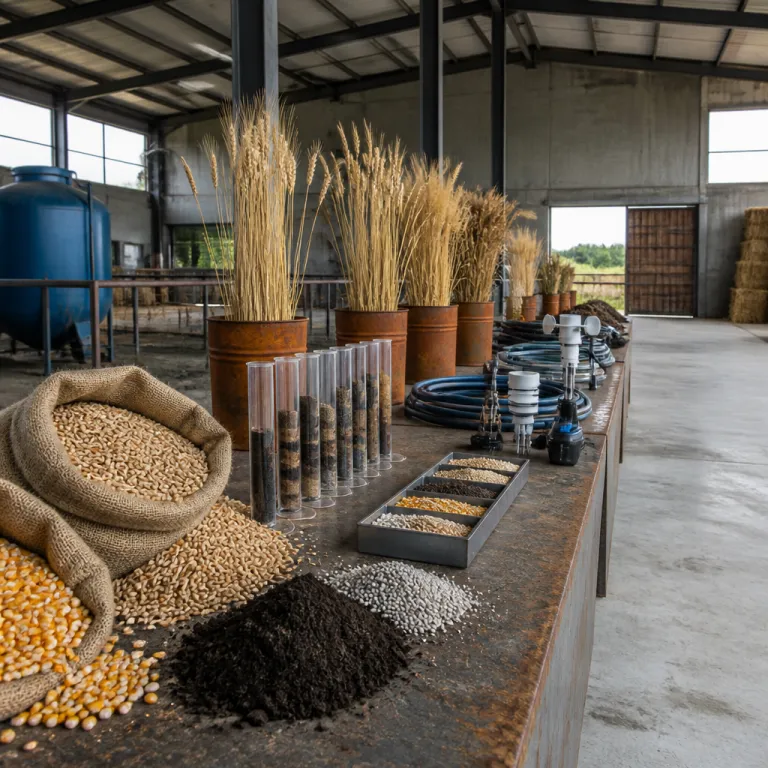
On the most forward thinking properties, a smart farm stay technology tour often begins before you even reach the gate. Your booking confirmation links to a mobile dashboard where you can read live données from the farm’s IoT sensors, showing soil moisture, current farming practices and which crop blocks you will walk through that afternoon. It feels quietly luxurious, because the technology stays discreet while the farm and the food remain the stars.
These luxury farm stays sit at the intersection of hospitality and agriculture technology, where smart farming tools are curated as carefully as the wine list. Hosts act as smart farm operators rather than traditional farmers, using automation, robotics and artificial intelligence to manage agricultural production while still greeting you personally at the barn door. The best of them understand that couples want romance first and farming technology second, so they design tours where you taste the olive oil before you see the data analytics behind the harvest.
In Springfield in the American Midwest, for example, one elegant property has turned its precision farming control room into a glass walled gallery. Guests arrive around 10:00, drop bags in a timber framed suite, then join a small group to read real time dashboards that track every field within a 5 kilometre radius. You watch the iot enabled irrigation system adjust in real time, then step outside to feel the cooler air above a well watered plot and understand how digital farming quietly shapes the landscape you are walking through. A wall mounted screen might show a still image of the farm map with descriptive alt text such as “Overhead view of smart farm fields with IoT sensors and variable rate irrigation zones”.
From dashboard to dinner plate on working luxury farms
For couples who care about what they eat, the most compelling smart farm stay technology tour is the one that connects data to flavour. You might stand beside a row of tomatoes while your host pulls up precision farming maps, showing how variable rate irrigation and fertiliser applications changed the crop’s sugar levels over time. Then you sit down to lunch and taste those decisions in a simple salad, where the food has travelled less than 20 metres from field to plate.
One Midwestern property structures its day so that guests can follow agriculture from sensor to kitchen without losing the romance of the stay. At 10:30 the guided walk begins, with couples holding tablets that stream real time data from IoT soil probes and weather stations, while the farmer explains how these farming technologies help farmers reduce water use and protect soil health. By 12:00 you are at a long wooden table, eating grilled vegetables whose production schedule was set by digital farming models that balance yield, flavour and sustainable farming goals.
Luxury does not mean staring at screens all afternoon, so the smartest hosts keep the technology in the background once you understand the story. After lunch, you might join a hands on activity such as harvesting herbs, while the farmer quietly checks agriculture technology dashboards on a phone to time the next irrigation cycle. Later, over a glass of wine, you can ask to read a short report on the day’s agricultural production, seeing how your small harvest fits into a wider supply chain that serves both the farm’s restaurant and a nearby historic bed and breakfast in St Augustine, which you might book through a curated platform for romantic heritage stays. On some featured case study farms, such as a 120 hectare olive and vegetable operation outside Springfield, hosts now share indicative metrics with guests, including a reported 20–25 % reduction in irrigation water use over several years and a 10–15 % increase in average tomato Brix levels after adopting variable rate technology, figures that align with ranges discussed in peer reviewed precision agriculture studies.
Livestock, sensors and the quiet drama of real time data
Animal focused smart farm stay technology tours can be unexpectedly intimate when technology is used with restraint. Instead of a petting zoo, you join the farmer at dawn while they open a livestock monitoring app that tracks heart rate, rumination patterns and body temperature for every cow in the herd. You see how this kind of farming smart approach helps farmers spot illness early, then step into the pasture and watch the same animals grazing calmly under a wide sky.
Many premium properties now use GPS collars and smart ear tags as part of their wider farming technology stack, but only a few invite guests into that world with real authority. On the best smart farm stays, the host will show you how data analytics highlight subtle changes in behaviour, then walk you through the field so you can match those coloured graphs to the way a particular animal moves or chews. That is where agriculture technology stops being abstract and becomes part of the emotional texture of your trip, especially for couples who care deeply about animal welfare and future agriculture.
Some farms go further, offering scheduled sessions where visitors can interact with farm data through large interactive dashboards in a converted barn. During these sessions, you might read report style summaries that explain how robotics in the milking parlour reduce stress on the herd, while automation in feed distribution supports more sustainable farming outcomes. Recent work by the Food and Agriculture Organization (FAO, 2022) on digital livestock management, for example, notes that automated milking systems can cut labour needs by up to 30 % while improving udder health indicators, a finding echoed in FAO’s “Digital Agriculture” initiative. If you want to explore this niche before booking, look for specialist guides to smart farm stays where precision agriculture meets hospitality, which highlight properties that turn complex agricultural data into meaningful guest experiences rather than marketing gloss.
Drones, field walks and the art of explaining precision
Field focused smart farm stay technology tours often hinge on a single theatrical moment, when a drone lifts off above the vines or orchards. You stand with a small group while the pilot, usually the farmer, streams live imagery to a tablet and overlays it with precision farming maps that show plant health variations across several hectares. The air hums softly, and suddenly the patchwork of greens beneath you becomes a legible story about water, nutrients and time.
On one Springfield property, the afternoon programme is structured almost like a tasting flight of technologies, each one paired with a sensory experience. After the drone demonstration, you walk to a block where soil moisture sensors are buried at different depths, and the host uses real time data to explain why this particular plot will be harvested three days later than its neighbour. You kneel, crumble the earth between your fingers, and understand how digital farming and smart farming techniques translate into the texture of the soil and the eventual character of the wine or olive oil.
These tours work because they respect the couple’s desire for romance and quiet as much as their curiosity about farming technologies. The best hosts know when to let you simply read the landscape without commentary, then bring you back to the control room to see how farming technology and agriculture industry data support those intuitive field decisions. Before you book, ask whether the technology is guest facing or purely operational, and whether you will have time with the farmer to read a concise report that links each crop decision to both flavour and environmental impact. For context, the United States Department of Agriculture’s 2023 Technology Use report notes that around 27 % of U.S. farms now use precision agriculture practices such as GPS guidance or variable rate input application, with adoption rates significantly higher on larger operations, and the full report is available through the USDA website.
How booking platforms curate tech forward farm stays
For travellers, the real challenge is not finding a farm that uses technology, but choosing one where that technology genuinely enhances the stay. Luxury booking platforms now profile properties with filters for smart farm infrastructure, precision farming systems and sustainable farming certifications, yet the quality of guest engagement varies widely. A polished website might mention automation and robotics, but only a detailed listing will explain how those tools actually help farmers and shape your experience as a couple.
On farmstayplace.com, for example, editors look beyond generic claims about farming technology and focus on how hosts translate data into stories. A standout listing will describe how IoT sensors feed into a central dashboard that guests can access during a smart farm stay technology tour, or how agriculture technology investments have reduced water use by a measurable percentage. You might also see references to partnerships with local universities and agricultural tech companies, which signal that the farm is part of a serious innovation ecosystem rather than chasing a trend.
When browsing, pay attention to how each property talks about food, because that is where digital farming and data analytics become tangible. A strong profile will connect agricultural production figures to the menu, explaining how precision farming supports consistent quality in a specific crop, whether that is heritage wheat or stone fruit. Some platforms even cross link to more traditional rural escapes, such as elegant bed and breakfast stays in established countryside regions, helping couples compare a fully wired smart farm with a classic pastoral retreat before deciding which style suits their next trip.
Questions to ask before booking a smart farm stay technology tour
Once you have narrowed your shortlist, a few precise questions will reveal whether a property’s technology is more than a marketing line. Start by asking whether guests can access the same real time dashboards that the farmers use, and if there are scheduled sessions where someone will walk you through the data rather than leaving you alone with screens. You want a host who treats you as a curious partner in the process, not a passive observer of agricultural jargon.
Next, explore how the farm balances automation with human contact during the stay. Ask whether you can visit the control room where iot devices, robotics and other farming technologies are monitored, and whether the farmer will explain how these systems help farmers manage labour, reduce waste and support sustainable farming outcomes. A thoughtful host will be able to show you exactly how agriculture technology has changed their daily routine, from irrigation timing to crop scouting, and how those shifts translate into better food and more resilient farming practices.
Finally, clarify how your visit fits into the broader agriculture industry and supply chain that surrounds the property. Some farms sell directly to local restaurants and markets, while others feed into regional cooperatives or export channels, and a good tour will help you read that bigger picture without overwhelming you with numbers. When you hear that “What is precision agriculture? Farming management strategy that uses data to optimize resource use and productivity.” and “How do IoT sensors benefit farming? They provide real-time data on soil, weather, and crop conditions for informed decisions.” and “Can visitors interact with farm data? Yes, through interactive dashboards and mobile apps during tours.” you know you are in a place where the technology is there to help, not to distract from the quiet pleasure of waking up to birdsong and walking hand in hand through dew covered fields.
Key figures behind precision agriculture guest experiences
- According to the United States Department of Agriculture’s “Technology Use” report (USDA, 2023), around 27 % of U.S. farms report using at least one precision agriculture practice such as GPS guidance, soil or yield mapping, or variable rate input application, showing how quickly farming technology has moved from experimental to mainstream, and the underlying data tables are publicly accessible via the USDA website.
- Studies published in journals such as Precision Agriculture and Computers and Electronics in Agriculture report yield increases of roughly 10–20 % when precision farming tools such as variable rate application and GPS guided machinery are adopted, which directly affects the quality and consistency of food served on smart farm stays, with meta analyses summarising these gains for different crops and regions.
- Industry analyses of the precision farming market, including reports by MarketsandMarkets (2022), suggest global revenues are projected to surpass 12 billion dollars within the next few years, driven by demand for automation, robotics and data analytics that help farmers manage risk and climate variability, and these forecasts are widely cited in agritech investment briefings.
- Agritourism research from the Organisation for Economic Co-operation and Development (OECD, 2020) indicates that nearly half of farm related stays in some member countries are now booked through online platforms, which gives curated sites significant influence over how sustainable farming and digital farming stories are presented to travellers, as detailed in OECD’s rural tourism policy notes.
- On some leading smart farms, IoT sensor networks can generate thousands of data points per hectare each day, yet only a carefully edited fraction is shared with guests to keep smart farm stay technology tours engaging rather than overwhelming. Case studies compiled by the FAO’s “Digital Agriculture” initiative (FAO, 2022) describe pilot farms where more than 5,000 sensor readings per hectare per day are distilled into simple visual dashboards for visitors, illustrating how raw data becomes an accessible narrative.
FAQ about smart farm stay technology tours
What exactly is a smart farm stay technology tour ?
A smart farm stay technology tour is a guided experience on a working farm where guests see how tools such as IoT sensors, drones, automation and data analytics support day to day farming. Instead of only walking through fields, you also view real time dashboards that show soil moisture, weather patterns and crop health. The aim is to connect those technologies directly to what you taste at the table and how you understand the landscape.
Will the technology make the stay feel less romantic or relaxing ?
On well run properties, technology is used to frame the story of agriculture, not to dominate your time. You might spend an hour with the farmer in a control room, then put the screens away and walk through vineyards or orchards with a glass of wine. The most thoughtful hosts design tours that alternate between data rich moments and quiet sensory experiences, so couples still feel they are on a premium rural escape.
Do I need any technical background to enjoy these tours ?
No technical expertise is required, because the farmer or guide interprets the data for you in plain language. They might show a colour coded map of a crop, then immediately take you to that exact spot in the field so you can see and feel the difference. If you are curious, you can ask deeper questions about agriculture technology and future agriculture trends, but it is never compulsory.
How can I tell if a farm’s technology is more than marketing ?
Before booking, ask whether you can access live dashboards, tour the control room and see specific examples of how technology helps farmers make better decisions. Look for concrete details such as named sensors, types of drones or measurable reductions in water or fertiliser use, rather than vague claims about being smart or sustainable. Reviews that mention specific farming practices, crop varieties and changes in agricultural production are usually more trustworthy than generic praise.
What should I pack for a tech forward farm stay ?
Comfortable closed shoes are essential, because even the most luxurious smart farm involves walking on uneven ground. Bring weather appropriate layers, sunscreen and a hat, as many smart farm stay technology tours include time outdoors watching drones, visiting sensor equipped fields or meeting livestock. A small notebook or tablet can be useful if you like to read and reflect on the data you see, but the farm will usually provide any devices needed for interactive dashboards.