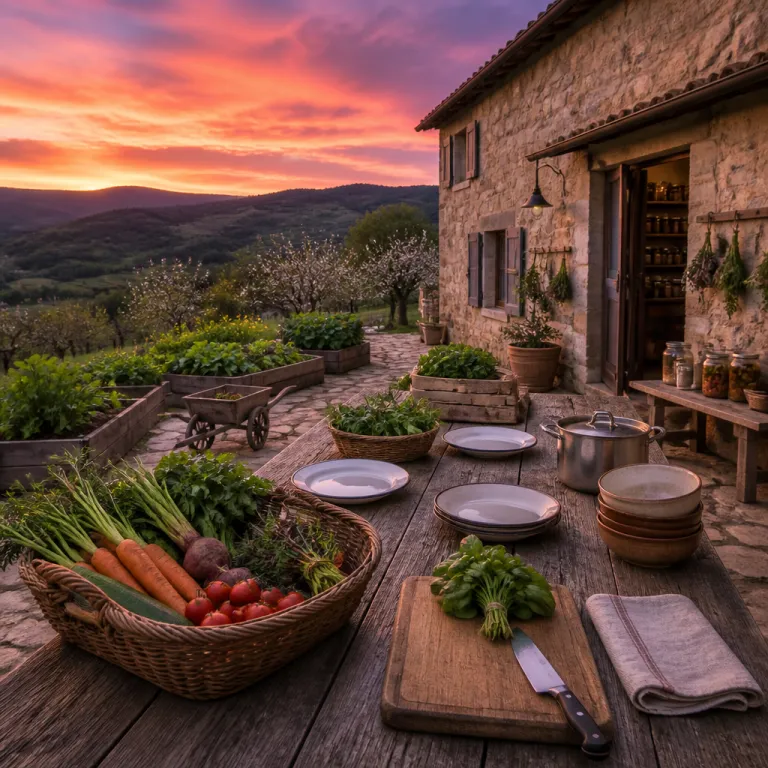
How Co‑Creation Is Redefining the Luxury Farm Stay for Solo Travelers
Image: A guest in linen workwear harvesting tomatoes at sunrise, with a restored farmhouse in the background.
Why co-creation is redefining the luxury farm stay
A co-creative farm stay, where you share real tasks with your hosts, quietly reshapes what luxury means. Instead of watching rural life from a distance, you roll your sleeves up and step into the working rhythm of the land, shaping your own stay with the farmer rather than accepting a pre-scripted itinerary. This shift suits travelers who value time, fresh air, and meaningful experiences more than another marble lobby or anonymous room upgrade.
On a thoughtfully run countryside retreat, you will find that comfort and participation sit side by side. You might wake in a restored farmhouse or discreet farm inn, then walk less than a minute to the vegetable beds where the morning’s freshly harvested greens become your breakfast. The property offers high thread count linens and strong coffee, yet the real center of the experience is the field, the barn, and the kitchen where local food and local life meet in real time.
Co-creation hospitality is not a themed weekend; it is a model where guests help with genuine tasks that keep farms alive. A 2023 Booking.com survey found that 44% of travelers want more “hands-on, local experiences” during their trips, and that appetite is especially strong among solo guests who want connection without forced small talk (Booking.com, 2023 Sustainable Travel Report). When your travel plans include a farm stay that invites you into its daily life, you enjoy a rare balance of privacy, purpose, and quietly attentive service.
From spectator to collaborator on a working farm
On a true working farm, the line between guest and collaborator softens from the first morning. Instead of a staged tour, you might join the équipe in the orchard, learning pruning techniques while you help thin fruit that will later appear in the dessert course. This kind of immersive, hands-on stay turns abstract ideas about sustainable food into muscle memory and shared stories.
Typical days follow the farm’s needs, not a resort timetable, and that is where the richness lies. You could collect eggs at sunrise, then sit at the long table of a bed-and-breakfast-style dining room while the host cooks them within minutes, explaining why the yolks glow such a deep color. Later, you roll your sleeves up again for practical experiences such as feeding goats, stacking wood, or washing crates after a time farm harvest run, each task small but real in the life of the farm.
For solo travelers, this rhythm quietly solves the question of how to meet people while on the road. Shared work creates easy conversation, and the things you will remember are not icebreakers but the moment you and another guest lifted a crate of freshly harvested tomatoes together. As one industry explainer from the Global Agritourism Network puts it with useful clarity, “Co-creation hospitality is a tourism model where guests actively participate in creating their experience, contributing labour, ideas, or feedback that shape the stay” (Global Agritourism Network, 2022).
To understand how deep this participation can go, look at screen-free retreats where guests spend a week without digital distractions on a farm. Reports on what happens during a week without a screen on a farm show that when the phone stays in the room, the senses sharpen and every minute in the fields feels more expansive. As one host in Devon notes, “By day three, guests stop asking for Wi‑Fi and start asking about soil.” That is co-creation at its purest; your attention becomes part of the farm’s daily capital.
Harvest, cook, and dine: when your labour feeds the table
The most compelling collaborative farm stays usually begin with soil under your nails and end with a plate in front of you. On many farms, guests join the morning harvest, picking only what is ready, then carry those crates to a teaching kitchen where a local chef waits. Here, the visitor is not a spectator in a cooking class but a partner whose work has already shaped the menu.
Multi-course farm dinners with guest chefs have become some of the most popular experiences in high-end agritourism. You might help sort grapes for a natural wine, wash herbs for a broth, or trim artichokes that were still in the field less than an hour earlier, and this is where the difference between staged experiences and genuine co-creation becomes obvious. What you harvest and prep is not a prop; it is the food that will feed the table, and that knowledge changes how you taste every bite.
For operators, this model is more than a charming story about local food and local life. During labour-intensive weeks, guest participation can reduce staffing pressure while increasing satisfaction and willingness to pay premium rates, because travelers understand the value of their time and effort. When a farm stay offers this kind of shared work, the farm offers not only a stay but a partnership, and guests often say they enjoy a deeper sense of belonging than in many urban stays.
Event-focused properties are pushing this further, designing spaces where harvest, kitchen, and dining room flow together. Guides to venues such as High House Farm Brewery’s event spaces for luxury farm stay celebrations show how barns, brewhouses, and fields can host weddings where guests pick hops in the afternoon and drink that beer at night. In these settings, the farm inn becomes both stage and pantry, and every guest plays a small but satisfying role.
Choosing the right farm stay destination for solo luxury travelers
Not every farm stay suits every traveler, and that is part of the appeal. Before you book, think about which types of farm and which types of experience match your comfort with mud, animals, and early mornings, because a dairy farm at milking time feels very different from a vineyard during harvest. The most rewarding co-creative stay usually comes when your expectations align with the farm’s daily reality.
Some farms center their stays around culinary immersion, with a focus on food farm activities such as bread baking, cheese making, and preserving, while others lean into animal care or regenerative agriculture. You might stay on a small vegetable farm that prioritises family time and gentle tasks, or choose a larger property where the farm stay offers more structured programmes and a wider range of hands-on experiences. Either way, you will find that the best hosts explain clearly which things will be optional and which are woven into the rhythm of the stay.
Location matters as much as the property itself. In wine regions such as Sonoma, for example, guides to elegant farm stays in wine country highlight places where you can enjoy both vineyard work and refined tasting rooms within a short travel radius. In more remote valleys, the reward is often quieter nights, darker skies, and air so clear that every breath of fresh air feels like a reset.
When comparing options, pay attention to how each farm describes its role and yours. A farm stay that invites you to help with specific seasonal tasks usually signals a genuine working farm, while a property that only mentions photo opportunities may be offering a lighter, more decorative version of local life. Neither is wrong, but if you want your time farm to feel purposeful, look for language about shared work, freshly harvested produce, and the way guests help the farm develop new projects over time.
How to book and prepare for a co-creation farm stay
Securing the right co-creation farm stay starts long before you arrive at the gate. When you browse a luxury and premium booking website for farm stays, read beyond the room photos and focus on how the host describes daily life, guest roles, and the balance between privacy and participation. A clear description of experiences, from harvest sessions to shared meals, is often a better indicator of quality than any design detail.
Once you have narrowed your list, contact the host with specific questions about seasonal work, physical demands, and the types of farm tasks available during your chosen dates. Ask how much time they expect guests to spend in the fields or barns, whether the schedule is flexible, and how they handle different comfort levels, because this will help you find a stay that respects both your curiosity and your limits. Many farms remind guests to wear appropriate clothing and to check seasonal availability, simple advice that can make the difference between a great time and a frustrating one.
Packing for this kind of travel means thinking in layers and textures rather than outfits. Bring clothes you are happy to get dirty, sturdy shoes, and perhaps a notebook for recipes or reflections, because the things you will learn often extend beyond food into a broader understanding of land and community. On the ground, remember that even a few minutes of genuine help during a busy harvest can feel significant to a small équipe, and that respect for the farm’s pace is the quiet luxury at the heart of this style of stay.
For families, the question of suitability often comes up, and many hosts answer it with thoughtful programming. “Are these experiences suitable for children? Yes, many farms offer family-friendly activities.” Another common concern is expertise, and here the reassurance is simple and honest: “Do I need prior farming experience? No, activities are designed for beginners.” Before you confirm, run a quick checklist: clarify daily tasks, ask about safety briefings, confirm what is included in the rate, and make sure cancellation terms match your travel style.
FAQ
What makes a co-creation farm stay different from a standard rural getaway?
A co-creation farm stay asks you to participate in real tasks that support the working farm, rather than simply watching or posing for photos. You might help harvest vegetables, feed animals, or prep ingredients that will become the evening meal, and your contribution has tangible value for the host. In a standard rural stay, by contrast, activities tend to be observational, and the farm’s operations continue largely without guest involvement.
How much farming work should I expect to do during my stay?
The amount of work varies by property, season, and your own preferences. Some farms schedule one or two short sessions of hands-on activities each day, while others offer a menu of optional tasks that you can join for as little as fifteen minutes or for several hours. The key is to clarify expectations with the host before you travel, so your time farm feels engaging rather than overwhelming.
Is a co-creation farm stay suitable for solo travelers who value comfort?
Yes, this style of stay suits solo travelers particularly well because shared tasks create natural conversation without forced socialising. Many premium farms pair high comfort levels with structured opportunities to help, so you can enjoy a soft bed, refined food, and fresh air alongside meaningful participation in local life. When you choose carefully, you will find that the balance between privacy and community feels more elegant than in many urban hotels.
Can families with children book these types of farm experiences safely?
Most family-focused farms design their programmes so that children can join age-appropriate tasks under supervision. Activities might include collecting eggs, planting seedlings, or helping wash vegetables, while more complex or heavy work remains with the trained équipe. Clear safety briefings and well-marked boundaries are signs that a farm stay offers both engaging experiences and responsible risk management.
How do I know if a farm stay is genuinely sustainable and not just using green language?
Look for specific details about soil practices, water use, animal welfare, and how the farm works with local suppliers, rather than vague claims about being eco friendly. A transparent host will explain how guest participation helps the area develop resilient food systems, and how freshly harvested produce moves from field to plate with minimal waste. When in doubt, ask direct questions about certifications, crop rotation, and partnerships with local chefs or agricultural experts, and pay attention to how concrete the answers are.