Late summer farm stay harvest dining: why this is the golden window
Why late summer is the golden window for harvest dining
Late summer on a working farm stay is when the kitchen finally catches up with the fields. Across the United States, from coastal ranch properties to inland regenerative farm estates, this is the moment when menus are driven by the harvest rather than by a fixed concept. For couples planning premium stays, this short run of days between August and early autumn is the most rewarding time to book a farm stay late summer harvest dining escape.
During these late summer days, agriculture is at full tilt and the view from your farm cottage window often includes crates of tomatoes, herbs and stone fruit heading toward the kitchen. This is when agritourism stops being a marketing word and becomes a lived farm experience, with ingredients harvested that morning and plated that evening. Many farms now schedule their most ambitious farm dinners and harvest dinner events in this period, knowing guests will taste the difference in every course.
Industry partners confirm the scale of this seasonal shift in food and dinners programming. For example, Beach Plum Farm Kitchen in New Jersey publicly notes that a large majority of its menu food drink is sourced from its own fields or nearby producers at this time of year, and similar figures are echoed in agritourism case studies from state tourism boards. As one expert summary from the U.S. Department of Agriculture’s local food resources puts it without hedging, "Why is late summer ideal for farm-to-table events? It’s when many fruits and vegetables are at peak ripeness." USDA local food toolkits and regional agritourism reports consistently describe August and September as the peak window for farm-to-table suppers, with many properties reporting that more than half of their annual on-farm dining events take place in this season.
What actually arrives on the plate during late summer stays
On a serious farm stay, late summer harvest dining means tomatoes in almost every course, but never in the same way twice. You might start a dinner with chilled tomato water and basil cut minutes before service, then move to a main where corn, squash and peppers shift nightly depending on which ingredients harvested were ready that day. Couples who stay for several days quickly see how a time farm rhythm shapes both lunch and dinner, with menus evolving as different beds and orchards come into peak condition.
Expect menus that lean into abundance rather than restraint, especially at popular farm cottages that specialise in multi course farm dinners. One night the chef might build a harvest dinner around heirloom tomatoes and sea salt, the next around stone fruit, herbs and a single cut of grass fed beef from the ranch. Breakfast often reflects the same agriculture first mindset, with eggs collected at dawn, preserves from earlier in the summer, and yoghurt made on the farm acre itself, sometimes using milk from a small on site dairy herd.
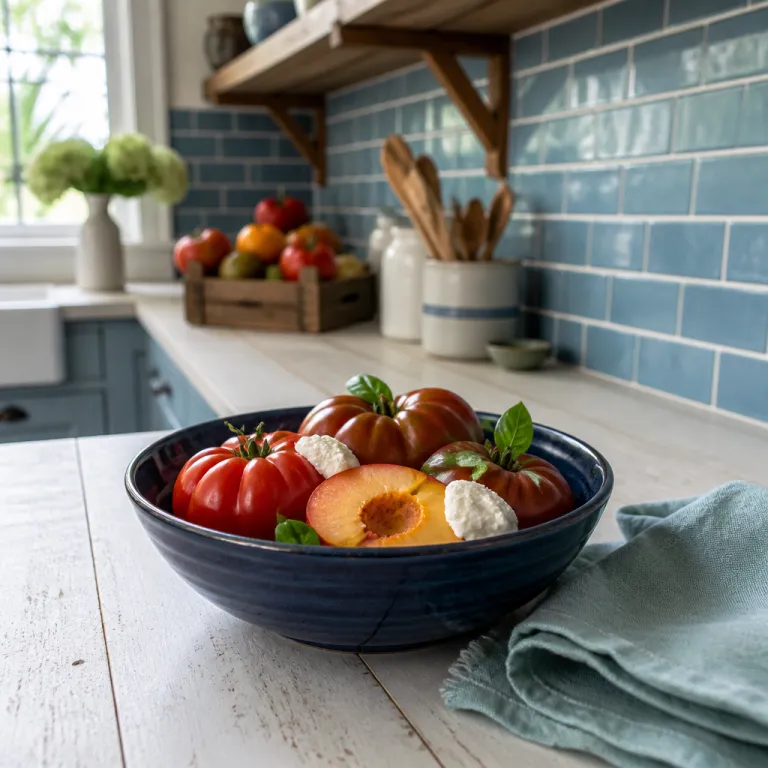
To picture a typical late summer day, imagine a couple waking in their farm cottage to a breakfast of just-laid eggs, grilled peaches and thick yoghurt, then joining a mid-morning walk through the kitchen garden. After an afternoon wine tasting or sea coast drive, they return to a long-table farm dinner where the menu might read: tomato and herb salad with farm cheese, charred corn and squash with chilli oil, grass fed beef with pan juices and garden beans, and a stone fruit tart with cream infused with garden mint. A simple image description for marketing materials might read: “A long wooden table set beside the kitchen garden at sunset, with bowls of heirloom tomatoes, grilled corn and stone fruit tart ready for a late summer farm dinner.”
For travellers who want this level of immersion but also refined service, look at wine country properties where farm stays meet luxury, such as the elegant Sonoma options profiled in this guide to high end farm stays in wine country. These places balance polished hospitality with an honest farm life connection, often pairing a resident chef with a dedicated grower. The result is a farm dinner or series of farm dinners where food, drink and the surrounding view feel inseparable, and where late summer tasting menus often sell out weeks ahead.
Families travelling with children will find that some farms lean into interactive food drink experiences rather than purely romantic dinners. Properties highlighted in this overview of family focused farm retreats often invite younger guests to help harvest vegetables for the evening farm dinner. Even at these more relaxed places, late summer remains the peak season for tasting real farm life on the plate, with simple dishes like build-your-own tomato bruschetta or corn roasted over an open fire after a short farm tour.
The twenty metre rule versus long distance "farm to table"
One of the clearest ways to judge a farm stay late summer harvest dining promise is to ask how far ingredients travel before they reach your plate. On a true regenerative farm or working ranch, the answer is often measured in metres rather than kilometres, especially when the kitchen garden sits just beyond the dining terrace. The most memorable farm dinners I have eaten followed an informal twenty metre rule, where ingredients harvested in the afternoon barely had time to lose their field heat before service.
By contrast, some properties in the wider agritourism space rely on suppliers located hundreds of kilometres away while still using farm to table language. The food can be excellent, but the farm experience is different when you cannot walk from your farm cottage to the exact place where your salad grew. When you book a stay that markets harvest dinner events, ask whether guests can join farm tours to see the specific beds, orchards or farm acre that will feed that night’s dinner, and whether the farm publishes even a rough percentage of on site versus off site sourcing for peak season.
Event focused properties, such as those profiled in this analysis of luxury farm stay celebration venues, often operate several distinct spaces for farm dinners, weddings and tastings. The best of them still keep the kitchen close to the fields, even when hosting large groups for late summer farm dinners. When you evaluate these places, prioritise those where the chef can point from the dining room to the exact plot where tonight’s ingredients harvested were grown, and where guests are invited to walk that short distance before sitting down.
Chef farmer collaborations and award winning harvest dinners
Across the United States, late summer has become the high season for chef farmer collaborations on working farms. Properties like Topaz Farm in Oregon, which publicly promotes seasonal farm to table dinners with visiting chefs, host multi course menus built around the day’s harvest, often in partnership with nearby producers. These evenings feel less like standard dinners and more like curated farm experience events, with the chef narrating each course and the farmer explaining the agriculture behind it, sometimes to groups of 40 to 80 guests at a single long table.
Some of the most compelling harvest dinner series now attract award winning chefs who are eager to work within the constraints of a single farm acre or two. Instead of ordering from a broad supplier list, they walk the fields, taste tomatoes and herbs, and then sketch a menu that respects what the land is offering in late summer. As one West Coast chef told a regional food magazine about cooking on a working ranch, "When the farmer hands you a crate of just-picked tomatoes, you don’t impose a concept on them – you listen to what the field is saying and build the menu from there." Guests seated at long communal tables often have a clear view of the fields, the barn and sometimes even the sea, depending on the place.
Specialist caterers and event companies have built reputations on this model, providing seasonal menus that support local agriculture and highlight ingredients harvested at their peak. Farm-to-Fork Catering, for instance, is cited in regional agritourism reports as an example of a business that prioritises local sourcing for farm dinners and celebrations, often aiming to source 60 to 80 percent of ingredients from within its home region during late summer. Beach Plum Farm Kitchen in New Jersey offers a different but related approach, serving farm fresh breakfast and lunch that still reflect the same late summer abundance. Whether you stay in a single farm cottage or across a cluster of farm cottages, these chef farmer partnerships turn a simple farm dinner into a narrative about land, labour and flavour.
How to choose the right farm stay for late summer dining
For couples planning a romantic stay built around food, the first step is to clarify how central farm dinners are to your trip. Some farms treat dinner as an optional extra, while others structure the entire stay around a nightly harvest dinner that changes with the fields. If farm stay late summer harvest dining is your priority, you should book a place where the chef and grower speak about the menu in the same breath and can describe how it shifts from week to week.
Before you commit to any stays, ask direct questions about the kitchen and the fields. Does the chef work with a daily harvest list, or is the menu fixed weeks in advance with only minor seasonal tweaks? Can guests join farm tours in the late afternoon, then see those ingredients harvested appear at dinner, perhaps as a tomato salad, a corn and squash side, or a stone fruit dessert? These details separate a generic agritourism property from a serious food led farm stay, and they echo the criteria highlighted in many state agritourism guidelines for authentic farm-to-table experiences.
It is also worth asking about the rhythm of the day and how much farm life you want woven into your stay. Some couples prefer to spend the day exploring nearby sea coasts or vineyards, returning to the farm cottage only for the evening farm dinner and a glass of wine under the stars. Others want a full time farm immersion, from early morning chores in the fresh air to afternoon cooking classes that lead directly into a harvest dinner, with perhaps one night reserved for a more formal, award style tasting menu.
Essential questions to ask before you book your late summer stay
Once you have narrowed your list of farms and ranch properties, a few precise questions will help you choose the right place. Ask how many nights per week the property hosts farm dinners and whether those dinners are open only to overnight guests or also to outside visitors. Clarify whether the harvest dinner is served at a communal table, at private tables, or sometimes as a private farm dinner for two in or near your farm cottage.
Next, focus on the sourcing and the role of the farm acre itself in the menu. Ask what percentage of ingredients harvested for late summer menus comes from the on site farm, and what is brought in from neighbouring farms or the wider region. Many serious properties will share a clear estimate of how much of the menu is local in peak season, sometimes referencing regional agritourism benchmarks that suggest a strong majority of ingredients can be sourced from within a short radius when fields are most productive. That kind of transparency is a strong indicator that agriculture is driving the food rather than the other way around.
Finally, consider the broader farm experience and how it fits your idea of a romantic stay. Do you want structured farm tours, or would you rather explore farm paths on your own between meals, breathing in the fresh air and watching the light change over the fields each day? Are you curious to discover farm work up close, or is your priority to relax in a quiet farm cottage, enjoy refined food drink pairings at dinner, and simply hold the view of late summer abundance from a comfortable distance?
Key figures behind late summer farm to table stays
- Across multiple regions in the United States, agritourism surveys and state tourism reports describe late summer as the peak period for organised farm to table events, with many farms hosting dozens of harvest dinners, tastings and celebrations during this short window.
- Beach Plum Farm Kitchen reports on its own channels that a substantial share of its menu items are sourced locally at peak season, illustrating how a focused farm acre and nearby partner farms can supply most ingredients for late summer farm dinners.
- Industry observers note a steady rise in the popularity of farm to table dining, with late summer events at well known properties often selling out weeks in advance, so couples should book their preferred stay and farm dinner dates as early as possible.
- Data from agritourism operators and hospitality case studies suggests that late summer farm stays generate higher guest satisfaction scores when they include at least one guided farm tour linked directly to the evening harvest dinner.
FAQ about late summer farm stay harvest dining
What is farm to table dining in the context of a farm stay ?
Farm to table dining on a farm stay means that most ingredients for your dinners come directly from the host farm or nearby partner farms. As one expert definition from the National Agricultural Library puts it, "What is farm-to-table dining? Dining that emphasizes locally sourced, seasonal ingredients." In late summer, this usually translates into menus built around tomatoes, herbs, corn, squash and stone fruit harvested the same day.
Why is late summer the best time for a harvest focused stay ?
Late summer is when many fruits and vegetables reach peak ripeness, so the kitchen has the widest palette of flavours and textures to work with. Fields and kitchen gardens are producing at full capacity, and cellars are filling with the first preserves of the season. This abundance allows chefs to design more creative farm dinners and to change menus daily based on what the team has just harvested.
How can I find late summer farm dinners near me ?
The most reliable way is to check farm websites and social media for event calendars, as many farms publish specific dates for harvest dinner series. Regional agritourism associations and community event listings also highlight popular farm dinners and farm tours during late summer. Because these events often sell out, it is wise to reserve both your stay and your dinner seats well in advance.
What should I wear to an outdoor harvest dinner on a farm ?
Most late summer farm dinners take place outdoors or in open sided barns, so dress for changing temperatures and uneven ground. Closed shoes, layers and a light jacket are usually sufficient, with a scarf or wrap for cooler evenings. Even at more formal, award winning properties, the priority is comfort and practicality in a rural setting rather than strict dress codes.
Can guests usually visit the fields before a farm dinner ?
Many serious farm stays encourage guests to join short farm tours before dinner, especially during late summer when the fields are at their most expressive. These walks allow you to see the exact beds, orchards or vines that will supply ingredients for the evening menu. When you book, ask whether such tours are included, as they deepen the connection between the land, the kitchen and your plate.